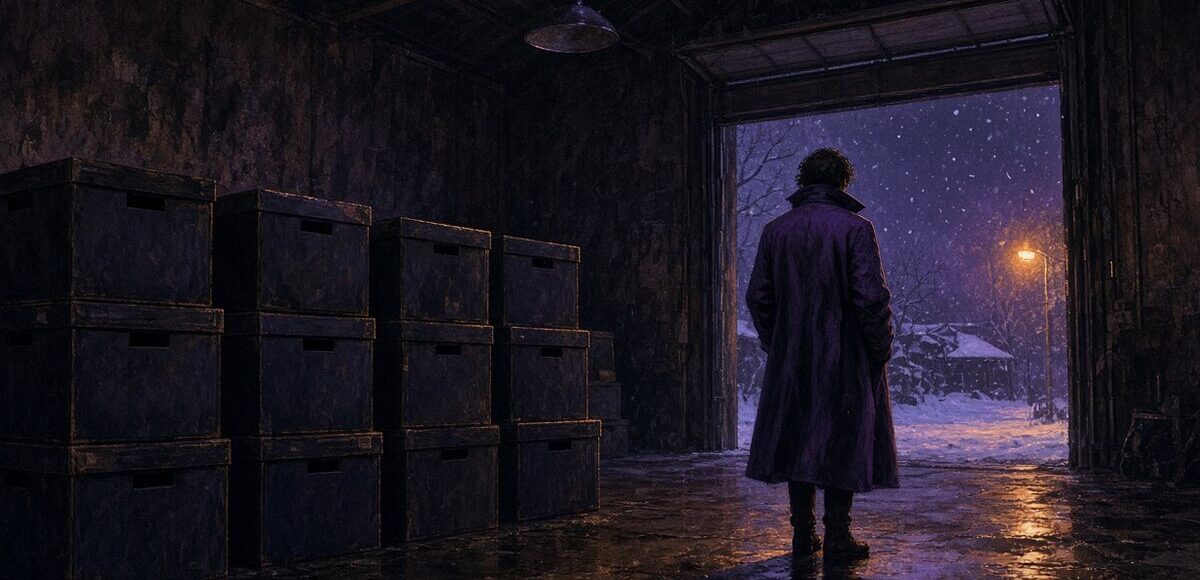
December 1987: the record leaves the warehouse
On 1 December 1987, trucks leave Warner’s warehouse carrying Prince’s new record. The withdrawal order has been typed but remains unsigned on a Minneapolis desk after a sleepless night at Paisley Park. Prince calls label chairman Mo Ostin shortly after dawn and gives a two-word instruction: ship it. By Christmas, shops are playing The Black Album, a dark, funny and aggressively physical set sold in a sleeve with no artist name.
December 1987. The first boxes reach Minneapolis, London and Paris. Clerks recognize Le Grind from club whispers, while Bob George leaves afternoon shoppers unsure whether to laugh or step away. At Paisley Park, Susan Rogers marks the vocal changes on the track sheet while engineer Coke Johnson checks the abrupt edits. Prince wants the drums hard and close, with no soft bridge to reassure anyone. Warner staff who expected another path from Sign o’ the Times leave the playback carrying cassettes they have been ordered not to label.
Christmas week. Warner cannot explain the blank sleeve quickly enough. Prince refuses an interview and sends DJs a one-line card inviting them to play the whole thing after midnight. Sheila E. rehearses the difficult turn from clipped funk into the open chords of the newer material. Boni Boyer builds vocal parts that can survive both sides of the program, and Levi Seacer Jr. keeps the guitar spare. Prince watches from the empty seats, stopping only when a lighting cue makes the contrast too obvious.
January 1988. Alphabet St. is already taking shape, but Prince no longer treats it as an escape from a forbidden record. He turns the new song into a bright answer and keeps the bass deliberately lean. Minneapolis clubs adopt the record before American daytime radio does. In London, the weekly music papers argue over whether the blank cover is confidence or provocation, then print the sales figures beside the argument. Prince answers neither version and adds another late show at Paisley Park.
February 1988. A television performance pairs Superfunkycalifragisexy with the first minute of Eye No. The abrupt switch gives viewers the argument that the marketing department could not write. The black songs acquire a stage life that the withdrawn record never had. Cindy C. becomes a brass showcase, Dead on It is shortened and Bob George is delivered behind a screen with the voice altered further. Parents complain to local newspapers, which makes teenagers study the running order.
Spring 1988. Prince retitles the next project Lovesexy: The Day After. Sheila E. and Boni Boyer help shape rehearsals that move from the black set to the bright set without a costume break. Warner’s release schedule has to accommodate an artist who has supplied two connected albums in six months. Executives ask for a conventional campaign; Prince sends a diagram of the concert instead. The label finally advertises the sequence as one night in two colors and discovers that this is clear enough.
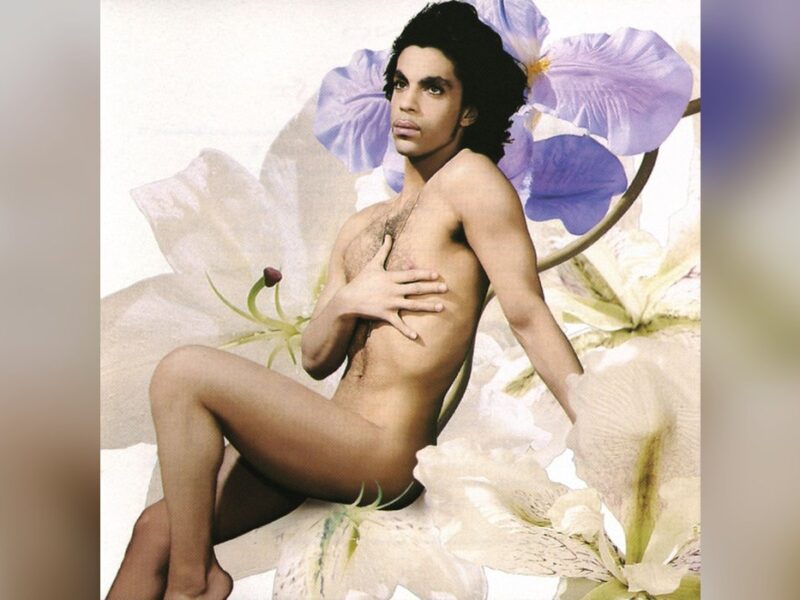
May 1988. The new album arrives as one continuous CD program, as Prince wanted, but record stores now understand the design. Buyers hear it as the second half of a conversation begun six months earlier. For the May release, Prince refuses to replace the nude cover of Lovesexy, even though Warner now fears a second retail dispute. The label compromises by placing it behind counters in several American chains. Fans who bought an anonymous black sleeve in December now have to ask a clerk for its bright companion by name.
Summer 1988. The tour opens in Dortmund with a black curtain and no announcement. Halfway through, the curtain falls to reveal the flowered stage, making the disputed albums part of one evening. In Dortmund, stage manager LeRoy Bennett divides the production with one mechanical change: the black set folds into a flowered staircase during a drum break. Cat Glover crosses the transformation without leaving the stage, while Eric Leeds carries the horn line from 2 Nigs United 4 West Compton into Glam Slam. The trick takes ninety seconds and six crew members.
Autumn 1988. Club DJs extend Rockhard in a Funky Place, while pop radio stays with Alphabet St.. Prince enjoys the division and releases no explanatory remix. Paisley Park receives club mixes from Detroit, Chicago and Manchester that Prince never commissioned. He listens to them after rehearsals, keeps one bass edit for the live show and sends the rest back without notes. A Manchester DJ frames the empty return envelope and hangs it above the booth.
1989. When the Batman offer arrives, the studio asks for the danger of the black record and the color of Lovesexy. Prince accepts because he can now deliver both without hiding either. The Batman sessions no longer need to recover the Black Album’s missing aggression. Prince gives Tim Burton Partyman and Trust with less explanation, then reserves the harsher material for concerts. Warner notices that the soundtrack reaches families without making the 1987 record disappear from clubs.
1990. The warehouse story is no longer a secret because there was no recall. Instead, collectors chase the early unmarked pressing with a slightly different running order. When the New Power Generation forms, Michael Bland learns both halves of the 1988 show from rehearsal tapes. Sonny T. thickens the low end of Le Grind, and Rosie Gaines takes Boni Boyer’s lines without copying her. Prince treats the old sequence as repertoire, not a sealed scandal, which lets the younger band rearrange it.
1991. Prince returns to the contrast on Diamonds and Pearls. The New Power Generation learns that sweetness and menace can share a concert without being separated into rival eras.
1994. Warner proposes an anniversary edition far too early. Prince refuses, delivers a live rehearsal instead and leaves the original black sleeve untouched.
1997. A tenth-anniversary Paisley Park show plays both 1988 programs in sequence. The audience knows every turn, including the silence before the bright piano enters.
December 2007. Twenty years after the trucks left, Prince walks through the same loading bay before a small concert. He taps one black box, smiles at the crew and heads to the stage without explaining it.
The twentieth anniversary is prepared without a deluxe campaign. Prince asks engineer Hans-Martin Buff to restore the original masters but refuses contemporary drums or guest vocals. At Paisley Park, Michael Bland, Morris Hayes and Shelby J. rehearse a compact set that moves through When 2 R in Love, Alphabet St. and Anna Stesia. A younger horn section struggles with the stops in Cindy C. until Eric Leeds writes the cues on cards and places them at their feet. The concert is announced forty-eight hours before doors open. Fans arrive carrying worn black sleeves, bright Lovesexy covers and home-recorded cassettes from the Dortmund broadcast. Prince plays no anniversary speech. He merely asks who kept the receipt from 1987, waits through the laughter and begins the count.
In December 2007, the anniversary concert ends with Eye No flowing into Rockhard in a Funky Place. Prince leaves the black guitar on its stand, bows once and lets the house lights reveal the flowered stage. The album that was allowed out of the warehouse has been played beside Lovesexy on the same nights for twenty years.