London, 2009: twelve finished songs after Back to Black
In March 2009, Amy Winehouse enters a North London studio at noon and leaves before midnight with a complete vocal. After Back to Black, the awards and the cancelled dates, nobody calls it a comeback. Salaam Remi labels the tape Third Record, Take One. Six months later, twelve songs are finished and Amy chooses the plain title Between the Lines.
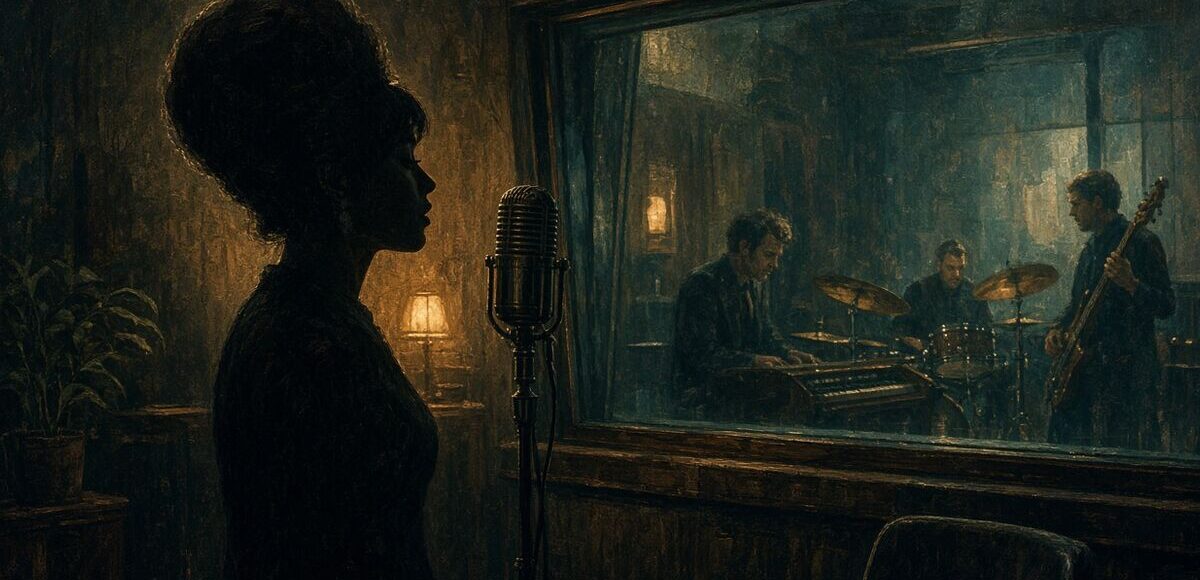
April 2009. Remi brings a compact rhythm section rather than a room full of visitors. Amy arrives with lyric sheets folded into her handbag and changes two verses at the microphone. At Metropolis Studios, Salaam Remi keeps Vincent Henry’s saxophone and guitar inside the song instead of decorating its edges. Dale Davis works from Amy’s sung bass suggestions, while drummer Troy Miller is asked to leave space after each punch line. She records with the lights up and crosses out words between takes.
May 2009. Mark Ronson joins for three sessions, but the brass is lighter than on Back to Black. Guitar, piano and hand percussion leave more room around the voice. The tabloid photographers remain outside, but inside the room the discussion is about tempo, tea and whether a rhyme sounds too pleased with itself. Amy rejects any lyric that turns a neighbour into a symbol. Her new songs keep names, bus routes and small embarrassments because those details make the jokes land.
June 2009. Amy writes Bus Stop Queen after watching two women argue cheerfully in Camden rain. The song is quick, observant and funny, with no need to turn the scene into a confession. Island’s staff learns not to schedule a listening party before Amy has approved the sequence on her kitchen speakers. She moves the quietest track to side one and removes a duet that sounds expensive but says little. The abandoned song goes back into Remi’s case rather than onto a deluxe edition.
August 2009. Island hears eight finished tracks. Amy rejects the proposed lead single and chooses Fine Print, a clipped soul song about reading a contract after signing it. On tour, musical director Dale Davis places two new songs between familiar numbers so the room never feels tested. Amy introduces Zalon Thompson and Ade Omotayo before naming herself, then listens to their answer vocals with her head turned toward the band. The set ends before fatigue can turn precision into struggle.
October 2009. The album is completed with no launch party. Amy invites the band to a café, orders tea for the table and argues about which take has the better snare drum. British coverage slowly changes because there is ordinary work to report. Reviews describe her timing with the Dap-Kings veterans, the lighter brass writing and the jokes that disappear if quoted without her delivery. A weekly magazine still runs an old photograph on the cover, but the article inside has to discuss the new record.
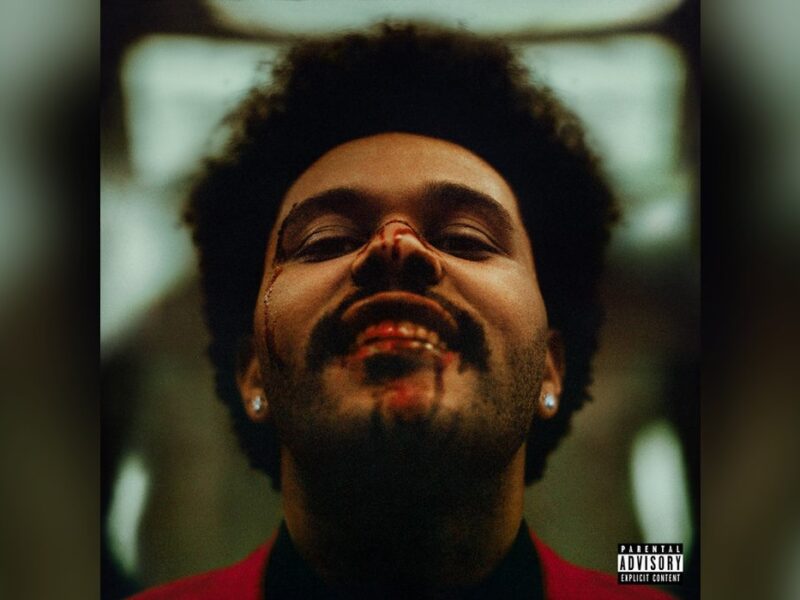
January 2010. Between the Lines opens at number one in Britain. The surprise is not the chart position but the reviews, which focus on comic timing, phrasing and the band’s restraint. The cover session takes place in a closed Camden café at nine in the morning. Amy chooses a frame in which she is reading the menu rather than looking at the camera, and designer Alex Hutchinson sets the title in letters small enough to miss from across a shop. Island asks for another portrait; she sends back a drawing of the teapot.
February 2010. A BBC studio concert lasts forty-eight minutes. Amy forgets one planned introduction, laughs, counts the band in and sings Love Is a Losing Game without changing its shape. Before the BBC concert, Remi removes a string introduction that works on record but slows the room. Amy replaces it by tapping the microphone stand four times, and Miller enters on the fifth beat. The adjustment survives the broadcast and becomes the arrangement used throughout the theatre tour.
Spring 2010. The tour uses theatres, two nights at a time, followed by a day without travel. Her father dislikes the modest schedule; Amy and the musical director keep it. At the Olympia in Paris, she notices a couple arguing in the balcony during Bus Stop Queen. She changes one line to describe them, loses her place and lets Thompson sing the next phrase. French reviewers report the mistake as the evening’s best moment because the band never stops moving.
Paris, 2010. During Wake Up Alone, a monitor fails. Amy steps beside the drummer, finds the pulse from the hi-hat and finishes close enough for the front rows to hear without amplification. The American radio sessions are booked between noon and six, with no red carpets attached. At WFMU, Amy spends half the interview discussing Dinah Washington records and performs Fine Print with only Henry on guitar. The stripped version is pressed on a charity single after listeners request it.
Autumn 2010. The American leg is shortened before it begins. Instead of adding arenas, the team books radio rooms and old halls where the band can hear one another. Her fourth album begins at RAK with pianist Sam Beste and a quartet seated in one circle. Amy brings stories about a minicab dispatcher, a baker who opens before dawn and a woman guarding three seats on a bus. Remi visits, hears two takes and advises everyone not to polish away the street names.
2011. Amy records a duet with Tony Bennett after three rehearsals. She then takes six months away from releases, while the live album proposed by Island remains in a drawer.
2012. She produces a four-song EP for a young London singer and insists that every vocal be recorded before dinner. The rule becomes a joke and then a useful studio habit.
2014. A fourth album arrives slowly, built around small jazz groups and direct stories about neighbours, taxis and late shops. It sells less and keeps the theatres full.
2019. For the tenth anniversary of the third album, Amy performs it in order at the Roundhouse. After the final chord, she corrects the set list with a pen before leaving the stage.
By 2018, Between the Lines has become the record young singers ask her about rather than the sequel they were once told to expect. Amy agrees to discuss it at Abbey Road only if the event includes the musicians. Remi brings the marked lyric sheets, Davis carries the small amplifier used on Fine Print and Henry demonstrates how little he played beneath the first verse. Amy corrects three stories that have grown around the sessions, praises Miller’s patience and refuses a question about whether success saved her. After the audience leaves, the band records Bus Stop Queen in Studio Two for a radio charity appeal. Amy changes the final location from Camden to St John’s Wood, looks through the glass for approval and receives five raised thumbs.
At the Roundhouse anniversary show, Amy finishes Between the Lines and returns alone for Tears Dry on Their Own. She thanks the band, checks tomorrow’s train time with Davis at the side of the stage and leaves before the recorded exit music. The third album did not arrive as a rescue. It left a set ready for the next working day.