




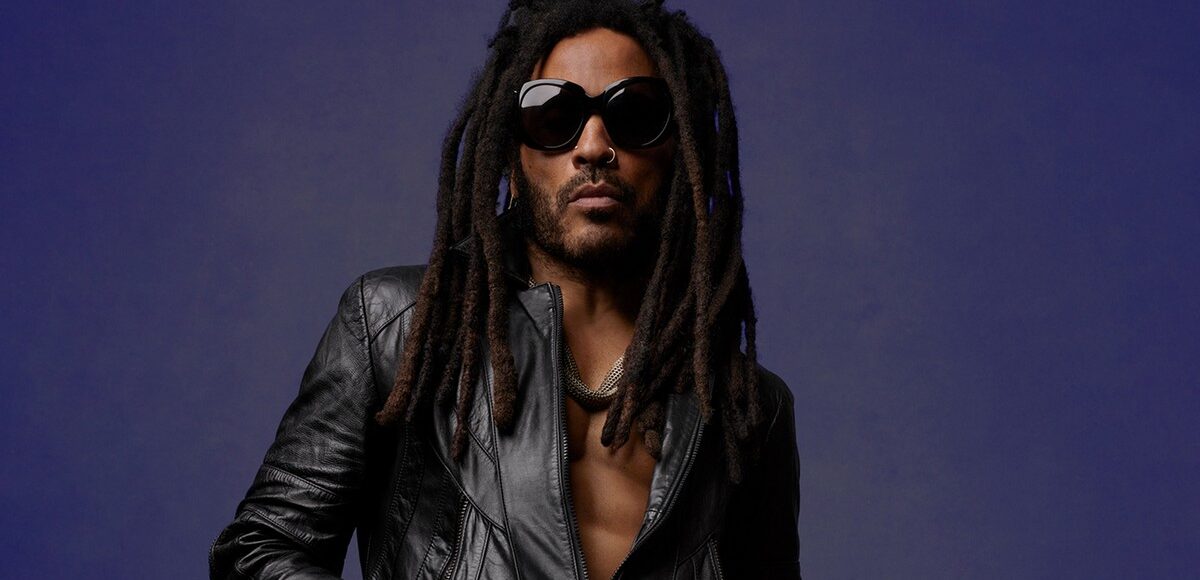
NYC-born multi-instrumentalist who put 60s and 70s rock-soul on the radio
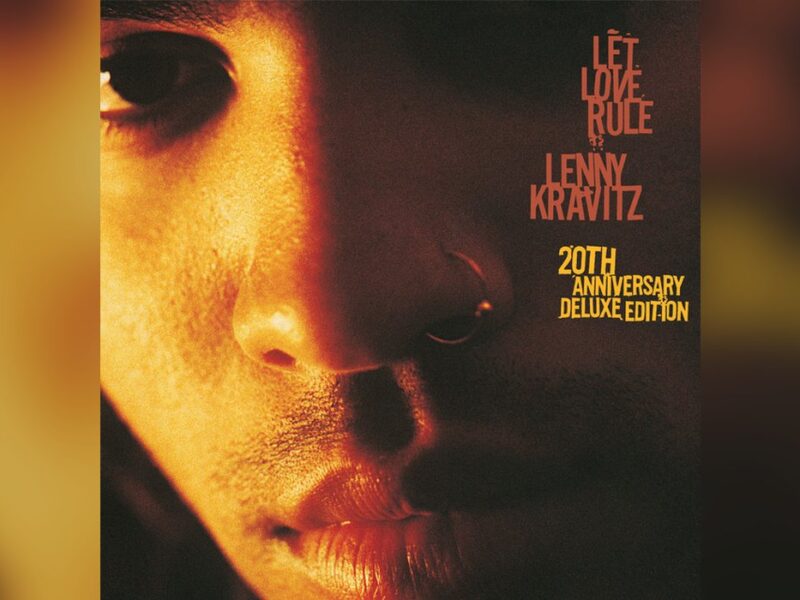
Lenny Kravitz arrived in 1989 with Let Love Rule. The debut carried tape hiss and guitar amp hum, while much of the pop around it used digital gloss. He wrote, arranged, and played most of the instruments himself, a habit that never fully left even when budgets grew. The voice sat between rock grit and soul pleading. The production kept analog warmth and a 60s/70s vocabulary updated for late-80s radio, with guitar, bass, and drums still audible.
Kravitz was born in New York City in 1964 to actress Roxie Roker and television producer Sy Kravitz. Formative years split between Manhattan and Los Angeles fed a diet of rock, funk, soul, and gospel. By his teens he played guitar, bass, drums, and keys and wrote parts for each. That habit stayed: one musician playing the parts of a band, not a frontman waiting for session players.
Mama Said (1991) and Are You Gonna Go My Way (1993) widened the audience. “It Ain’t Over ‘Til It’s Over” borrowed doo-wop harmony and Motown string logic. “Always on the Run” put Slash’s guitar beside Kravitz’s rhythm section. “Believe” and the title track from Are You Gonna Go My Way turned riff and falsetto into FM staples. Strings, horns, and backing vocals sat on rock chords without feeling pasted on. Fashion and stage look stayed visible. The records still carried the songs.
Circus (1995) and 5 (1998) pushed further. “Fly Away” from 5 added funkier, more electronic edges while keeping live-band punch in the low end. Kravitz leaned on vintage gear and clear textures: warm fundamentals and a modernized retro language, the same approach later heard on “Fly Away.” Collaborations with Mick Jagger, Jay-Z, and Madonna stayed in that lane. He did not become a guest-verse product.
Themes recur across the catalogue: love, unity, spirituality, freedom. Lyrics can tilt earnest, but the grooves usually deliver. Live shows sell sound and contact more than choreography gimmicks. Acting, notably Cinna in the Hunger Games films, introduced him to younger viewers who then found the back catalogue. Later albums such as Baptism, Black and White America, Raise Vibration, and Blue Electric Light (2024) kept the same temperature with updated production tools.
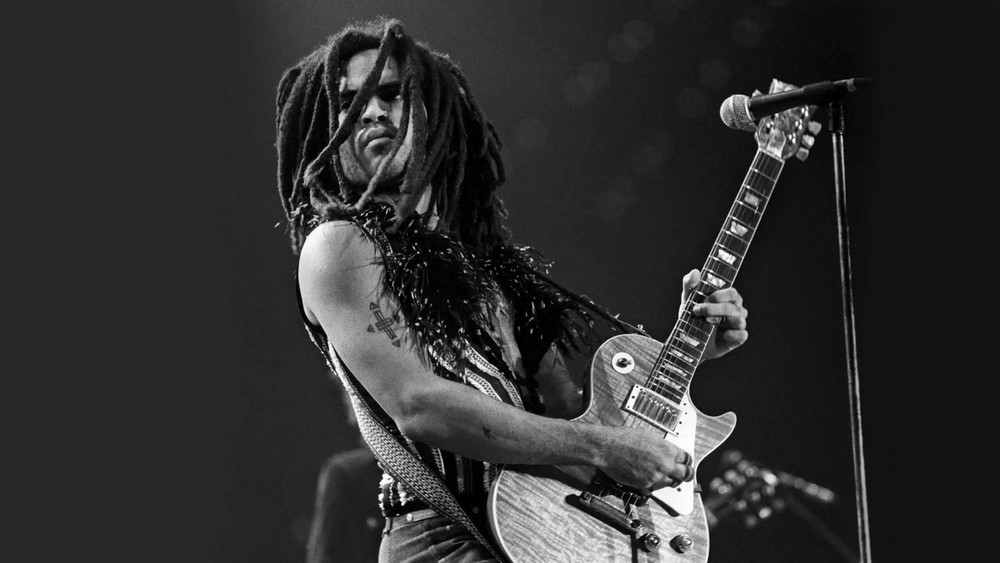
Influences sit close if you listen: Hendrix chord voicings, Beatles melody logic, Prince’s one-man-band ambition, Curtis Mayfield’s social warmth, and the rock-soul bridge Stevie Wonder built. Kravitz used those sources without copying the records. The songs sit beside 70s rock and soul. They do not reproduce them.
Sonically, start with dry guitar, round bass, drum fills that serve the song, and a voice that can whisper or push without breaking the hold between bass and drums. The mix often keeps midrange warmth and a softer high end. When strings appear, they support; they rarely swamp the riff.
Entry points depend on mood. Let Love Rule for the debut. Are You Gonna Go My Way for the radio rock-soul peak. 5 for “Fly Away” and tighter funk edges. Add “American Woman,” “Again,” and “Low” and you hear ballad, riff, and groove sides of the same player.
Beside Prince or D’Angelo, Kravitz shares multi-instrumentalist soul ambition but with more classic-rock guitar upfront. Beside Lenny’s contemporary rock peers, he kept black radio and FM rock in the same conversation without splitting into two careers. Across decades the method stayed close: the same room-sound idea, updated gear, and the same habit of playing guitar, bass, drums, and keys himself.
Streaming playlists often build songs from guest features. Kravitz records, from Let Love Rule in 1989 through Blue Electric Light in 2024, still put one musician in the room writing, arranging, and playing most of the parts. Are You Gonna Go My Way, heard front to back, keeps the groove, the vocal, and a production you can follow on guitar and drums without a software gloss.


Priya | 13 October 2026
|
Put headphones on for the quiet songs. Laptop misses the breath.
Rosa | 13 October 2026
|
That voice on record still stops me mid-scroll. Fight me.
François | 14 October 2026
|
Gateway artist for me into a whole decade. No regrets. Good piece.
Bruno | 15 October 2026
|
Short: Lenny Kravitz still sounds human when everyone else polishes too hard.
Noah | 16 October 2026
|
Controversial take but peak Lenny Kravitz clears half the playlist filler out there. Sharing this in the group chat. Expect chaos.