





1982 Thriller single, bass states the fact first
Billie Jean is Michael Jackson’s 1982 Epic single from Thriller, produced with Quincy Jones at Westlake in Los Angeles. The bassline states a fact before Jackson enters. Leon Ndugu Chancler’s drums and a strict synth bed keep a night-time beat while the vocal tells a story of a false claim and public pressure. Jackson later wrote in Moonwalk that there never was a real Billie Jean; she was a composite of people who had plagued him and his brothers.
Jones’s sessions gathered top players under hard discipline. Jackson’s vocal sits dry and close, then opens into the famous chorus without leaving the beat. The bass never softens. DJs and radio treated the track as both a story and a club record. This single became the one people used to identify Thriller, sealed when the Motown 25 moonwalk tied the image to the riff.
Chart life was long: weeks at Hot 100 No. 1, a wide international run, and Grammy attention inside the Thriller sweep. The long-form video brought television storytelling into pop marketing. Arrangement core stays simple: bass first, kick steady, vocal precise, strings and synths as color rather than clutter.
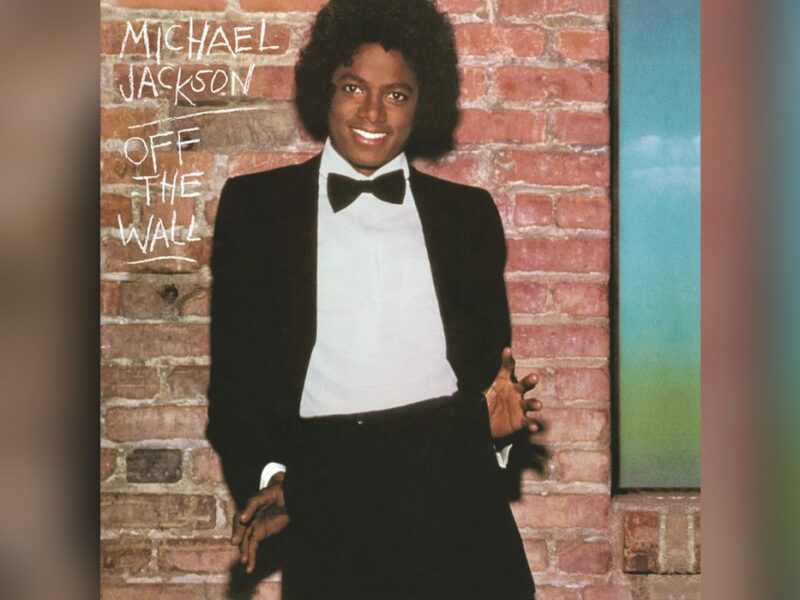
As a 1982-83 document, the song shows Jackson leaving the Jacksons’ group era into solo command without dropping the groove. Play it after an Off the Wall dance cut and the temperature is cooler and more paranoid. It still fills a dance floor. Same dancer, darker plot, same studio care.
Covers and samples kept the bass public for decades. Karaoke often rushes the accusation. The original measures it. Billie Jean is a case of a bass figure carrying a lyric about an accusation and a club night in the same four minutes.
Session players, the label campaign and later covers all sit around that same arrangement. Some radio edits shortened the climb. The album take, or the original single, still shows how the parts lock. Listen once without skipping: who enters first, what stays quiet, when the hook arrives. That order is why the song still works on playlists decades later. It does not need a novelty remix to explain it.
The same session players, the label campaign notes and the later covers keep circling that arrangement. Radio edits cut into the climb at times. The album version, or the first single, remains the clearest take of how the parts lock. The bass comes in first. Other parts stay quieter. The hook arrives on that beat. Playlists still use the song decades later, and they do not need a novelty remix to make the design clear.
There never was a real Billie Jean. The girl in the song is a composite of people who had plagued my brothers and me.
(Michael Jackson, Moonwalk, 1988)

Billie Jean still opens on the bass, then the story. Jones, Ndugu, Jackson’s vocal, the Thriller calling card.
Play it when a hit needs a story and a dance floor. The girl is a composite. The groove stays one figure.

Zoé | 8 October 2026
|
Not overrated. If anything people forgot how tight Billie Jean is.
Ivan | 9 October 2026
|
not overrated. If anything people forgot how tight Billie Jean is. Might be recency bias but I do not care today.
Diego | 9 October 2026
|
This is the track I put on to test new speakers. Michael Jackson never lies. Also the comments section on old forums was wild about this.
Jacques | 10 October 2026
|
Opened the article, heard the riff in my head before the embed loaded. Classic. I told my coworker and they shrugged. Their loss.
Priya | 11 October 2026
|
People sleep on how weird Billie Jean actually is. This article gets it. Coffee got cold while I finished the article. Acceptable.
Kofi | 12 October 2026
|
Short take: the groove on Billie Jean still feels unfair. Might be recency bias but I do not care today.
François | 12 October 2026
|
The production notes here made me replay Billie Jean twice. Nice catch.
Noah | 13 October 2026
|
Opened the article, heard the riff in my head before the embed loaded. Classic. Also the comments section on old forums was wild about this.
Bruno | 13 October 2026
|
People sleep on how weird Billie Jean actually is. This article gets it. Sharing this in the group chat. Expect chaos. More of this please.
Nadia | 14 October 2026
|
I came for Michael Jackson, stayed for how clean this write-up is. Billie Jean hits different after reading.
Chris | 15 October 2026
|
Still puts Billie Jean on whenever I need a reset. Never gets old. Sharing this in the group chat. Expect chaos. Just saying.
Rita | 15 October 2026
|
Still puts Billie Jean on whenever I need a reset. Never gets old. That is all.