
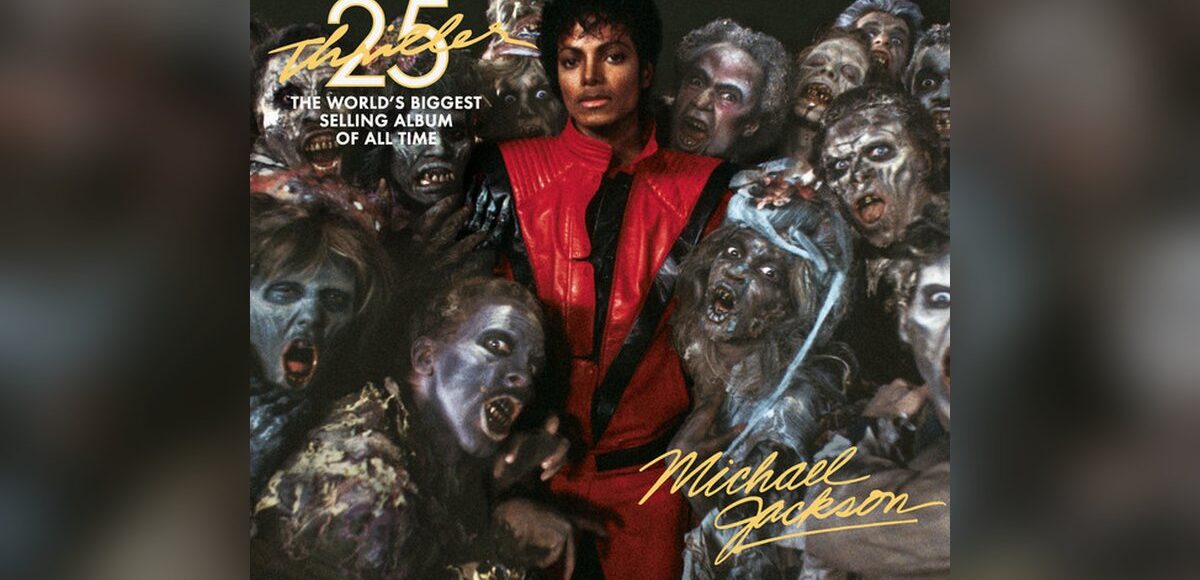
Epic, Quincy Jones, 1982
On 30 November 1982, Michael Jackson released Thriller on Epic. Quincy Jones produced again. Bruce Swedien engineered. The sessions lived mainly at Westlake Studios in Los Angeles, after the quiet proof of Off the Wall. Jackson wanted a record that could clear the dance floor and the radio at the same time, without choosing sides. Nine tracks. No filler. The brief was that simple and that ruthless.
Wanna Be Startin’ Somethin’ opens with a bass line that refuses to sit still and a chant that sounds half party, half warning. Baby Be Mine keeps the heat without showing off. The Girl Is Mine, with Paul McCartney, is the polite duet that still sold hard, a soft center before the album shows its teeth. Then the title track arrives: Rod Temperton’s horror-movie pop, Vincent Price’s spoken coda, and a groove that walks more than it runs. Beat It brings Eddie Van Halen’s guitar solo into a pop single without apology. Billie Jean is the bass, the hi-hat, and a story told like evidence. Human Nature, from Steve Porcaro and John Bettis, floats. P.Y.T. (Pretty Young Thing) grins. The Lady in My Life closes the door gently.
Jackson co-produced key cuts and wrote or co-wrote the spine of the set. Temperton supplied the title song and more of the melodic architecture. Jones kept the arrangements tight: horns where they cut, synths where they glided, and space around the voice. Swedien’s mixes left air in the drums so the bass could speak in full sentences. Listen to how Billie Jean enters: almost nothing, then the whole room. That patience is the album’s real luxury. It does not sound huge because everything is loud. It sounds huge because every part has a job.
I wanted to create a record that would last forever, something that people would never forget.
(Michael Jackson, on Thriller)
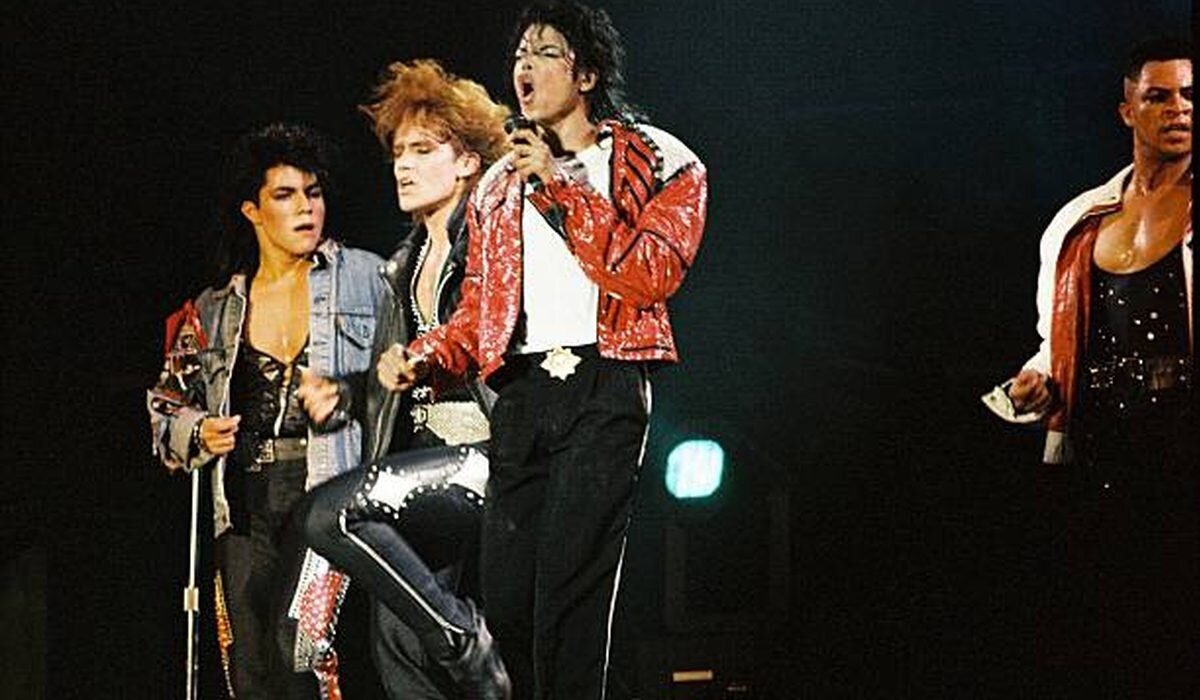
Seven of the nine tracks became Top 10 singles in the United States. Billie Jean and Beat It both hit No. 1. The John Landis short film for the title track turned MTV into a place where a Black pop star could own the whole screen, not a guest slot. Grammy night stacked awards on the project. Sales went past any previous album logic and kept going. Radio still treats the sequence as current vocabulary: a bass figure, a spoken bridge, a guitar solo that does not need a rock band around it to make sense.
Covers, samples, and dance-floor returns keep using Thriller as a toolkit more than a nostalgia set. The leather, the red jacket, the moonwalk came later as images. The record itself already had the plot: pop craft as pressure, funk as structure, and a singer who knew exactly when to whisper and when to cut. That is the album. Not a remaster sticker. Not an anniversary pack. The nine songs that still do the work.