
Running toward nothing, again
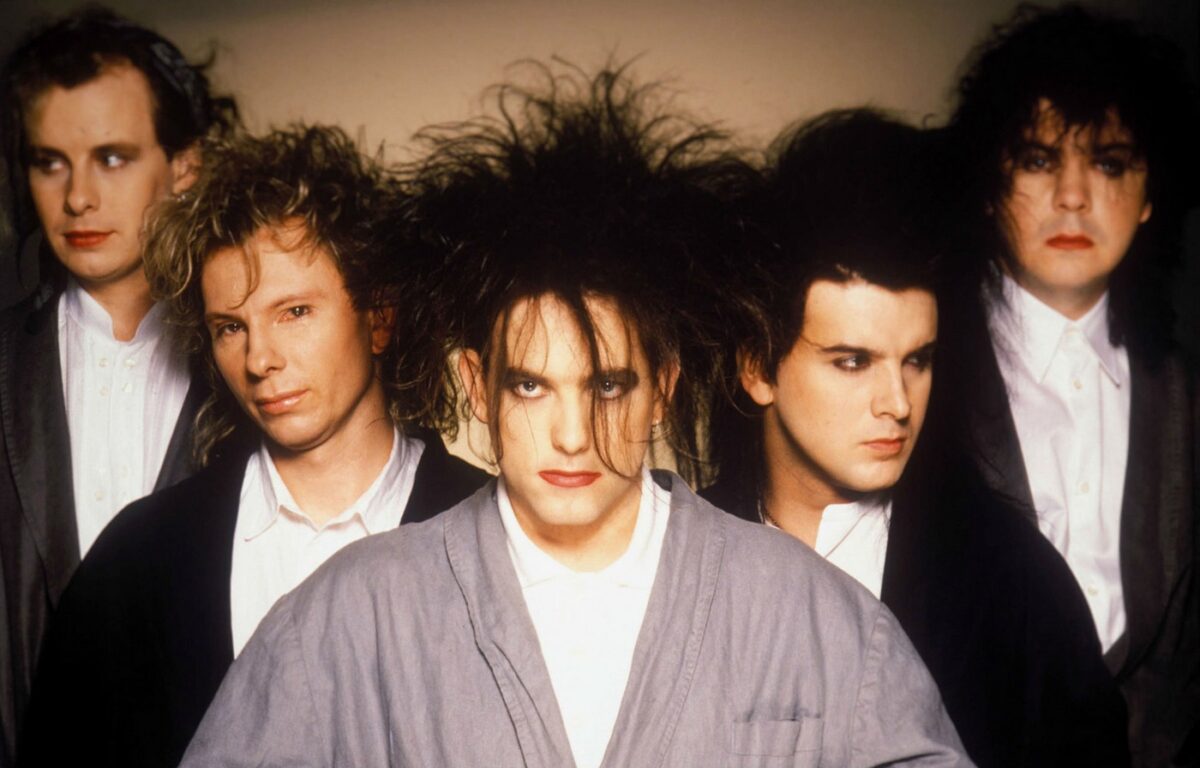
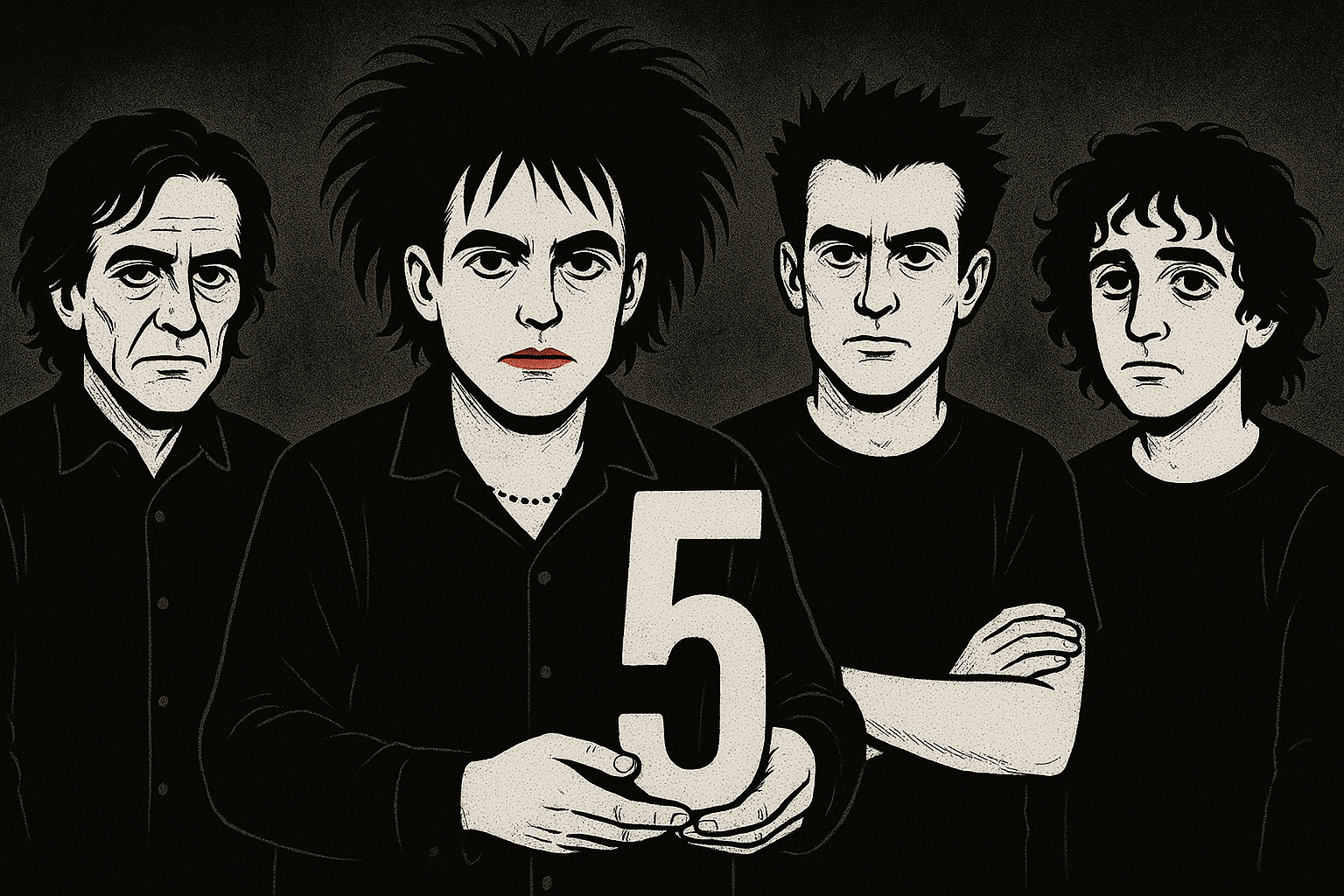
The bass finds the path before anyone asks for one. Simon Gallup plays a line that seems to know the trees, repetitive, cool, impossible to lose and impossible to escape. Robert Smith’s guitar flickers rather than leads. The drums of Lol Tolhurst keep a dry, forward motion, and Matthieu Hartley’s keyboards hang a mist that never quite becomes weather you can name. A Forest, from Seventeen Seconds in 1980, is a chase with the girl already gone. Come closer and see. The invitation is the trap.
Smith and Mike Hedges produced the album at Morgan Studios in London, the new lineup still fresh, Gallup in for Michael Dempsey, Hartley at the keys. The song had been in the set before the record. On tape it became the centre of a short, severe album, the moment the group stopped sounding like a sharp pop band with gothic manners and started sounding like itself. Smith’s vocal is close and untheatrical. He runs. The girl was never there. The forest does not moralise. It simply fails to end. The single reached the British top forty, their first, a modest number for a track that would outlast almost everything louder that year.
He has described it, in the band’s own fanzine, as a childhood dream, a nightmare, that came true with adolescence. He has also, at other times, shrugged and said it is just about a forest. Both can be true of a lyric this spare. The dream version explains the panic. The plain version explains the method: name the place, walk into it, do not decorate. Live, the song grew longer, the bass a road, the ending delayed until the room had earned the dark. The studio cut is the cleaner fright, under five minutes of getting lost on purpose.
A childhood dream, a nightmare, that came true with adolescence.
(Robert Smith, Cure News, 1989)
It became the Cure song they could not retire, played on tours that otherwise belonged to later, brighter, or bleaker albums. Audiences shout the title as if it were a friend. The record does not offer friendship. It offers the sensation of branches closing, and a voice that keeps the same pace anyway. Seventeen Seconds is often called their first real album by people who want a beginning. If so, this is the door, and it does not open onto a garden.
What remains is Gallup’s line, still the surest path and the surest prison. Smith running toward nothing, again and again, is not a slogan. It is a stage direction the band obeyed for decades. A Forest does not need a monster. The absence is enough, and the bass will walk you back into it whenever you are foolish enough to press play.