
Gallup locks first; the chase never finds her
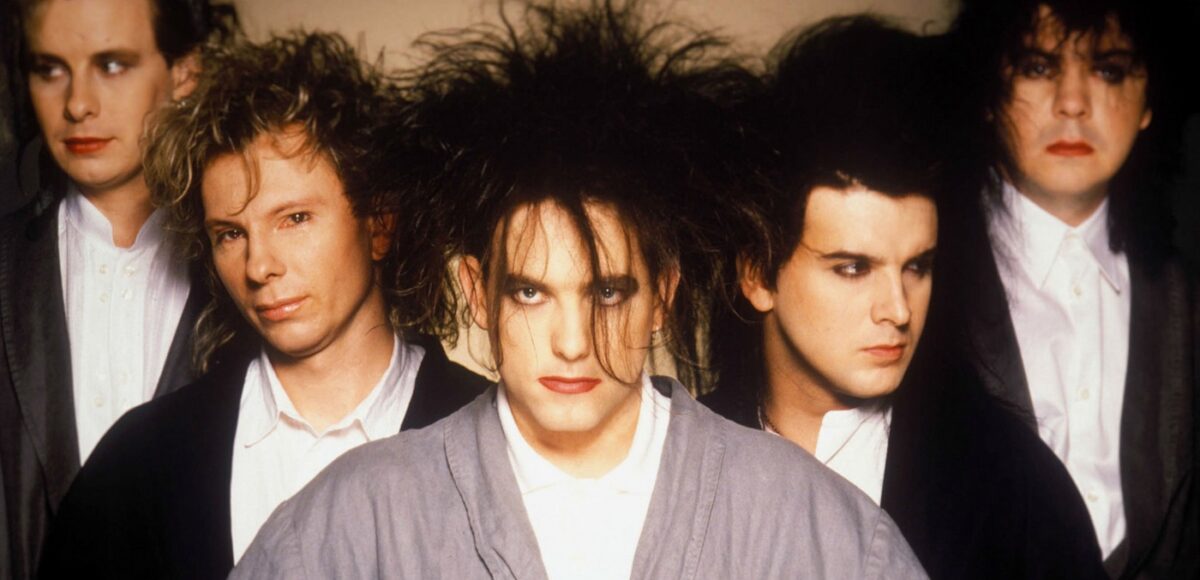
Simon Gallup’s bass line opens A Forest and stays locked for the whole cut: repetitive, cool, easy to follow and hard to leave. Robert Smith’s guitar flickers around it instead of taking the lead. Lol Tolhurst keeps a dry forward drum pattern. Matthieu Hartley’s keyboards sit as a thin pad. From Seventeen Seconds (Fiction, 1980), the lyric is a chase after a girl who is already gone. “Come closer and see” is the hook and the trap.
Smith and Mike Hedges produced the album at Morgan Studios in London with the new lineup: Gallup in for Michael Dempsey, Hartley on keys. The song was already in the live set before the sessions. On tape it became the centre of a short, severe record, the point where the Cure stopped sounding like a sharp pop band with gothic manners and started sounding like itself. Smith’s vocal is close and plain. He runs. The girl was never there. The single reached the British Top 40, their first chart hit, modest numbers for a track that outlasted louder records of that year.
In the band’s fanzine Cure News he called it a childhood dream, a nightmare that came true with adolescence. Elsewhere he has shrugged and said it is just about a forest. Both fit a lyric this spare. Live, the song often stretched past five minutes, the bass as road, the ending delayed. The studio cut is the cleaner version: under five minutes of getting lost on purpose.
A childhood dream, a nightmare, that came true with adolescence.
(Robert Smith, Cure News, 1989)
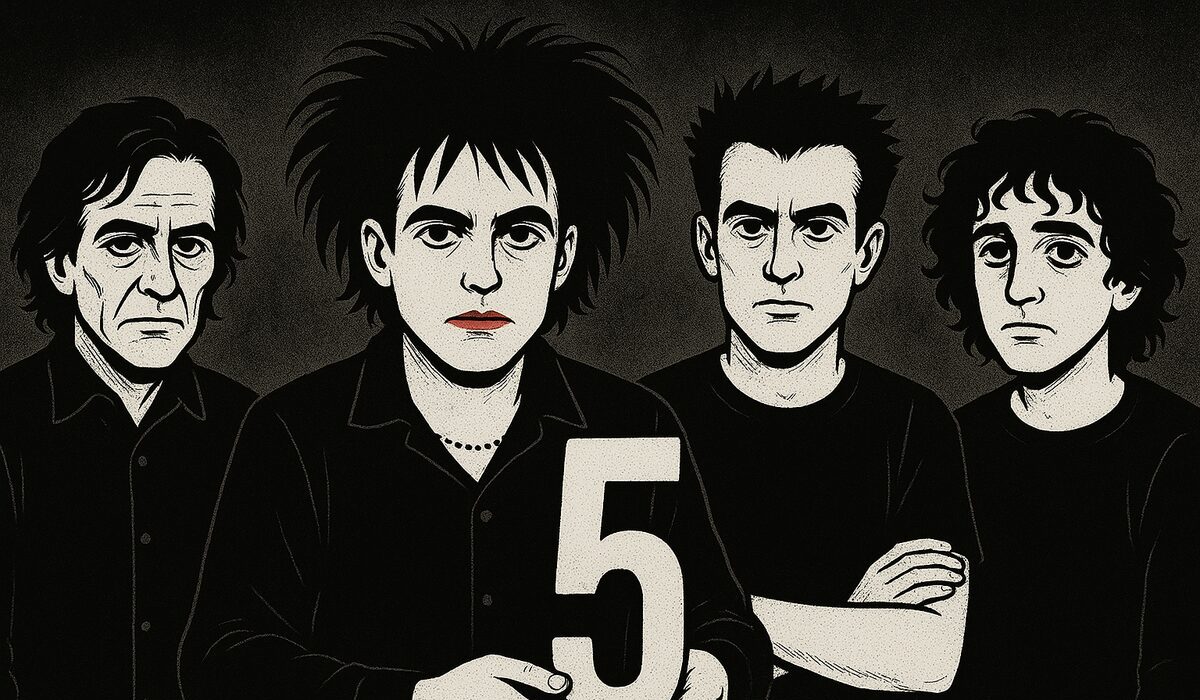
It became the Cure song they could not drop, kept in setlists through tours built around The Head on the Door, Disintegration and later catalogues. Crowds shout the title like a cue. Fiction issued it as a single in April 1980; UK chart peak was No. 31. The record does not offer comfort. It offers a pace that does not resolve and a voice that matches it. Bands from post-punk to indie cited the dry drums and Gallup’s ostinato when explaining how a pop single could stay cold. Fans who call Seventeen Seconds the first “real” Cure album usually point here: the door into the band’s 1980s sound.
What remains is Gallup’s line, still the clearest path into the song and the thing that traps you there. Smith running toward nothing is a stage direction the band followed for decades on stage and on record. A Forest needs no monster and no big chorus. Absence, dry drums, Hartley’s thin keys and that bass are enough, and they still work whenever someone presses play on the 1980 master.