Genesis – Prog that learned to smile
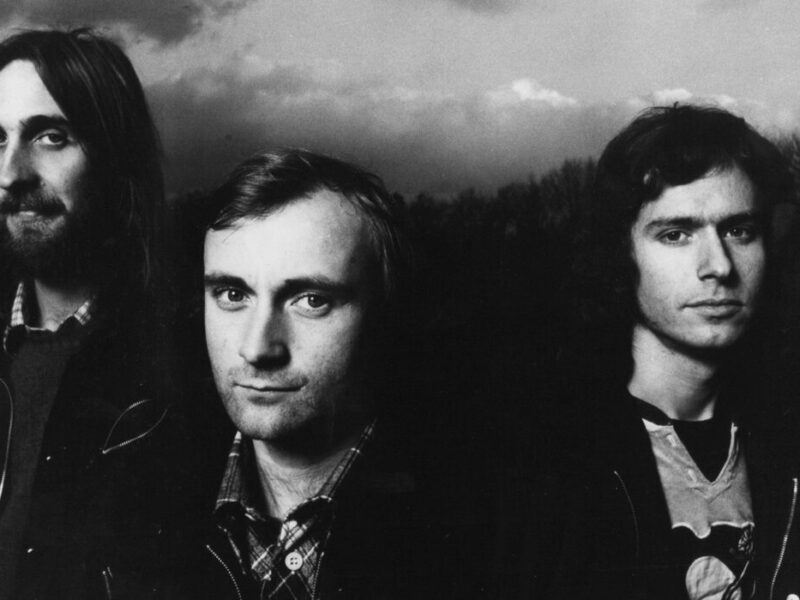
Genesis began at Charterhouse with Peter Gabriel out front; after he left in 1975, Phil Collins stepped to the mic and the band later scaled to Invisible Touch.




Genesis began at Charterhouse with Peter Gabriel out front; after he left in 1975, Phil Collins stepped to the mic and the band later scaled to Invisible Touch.
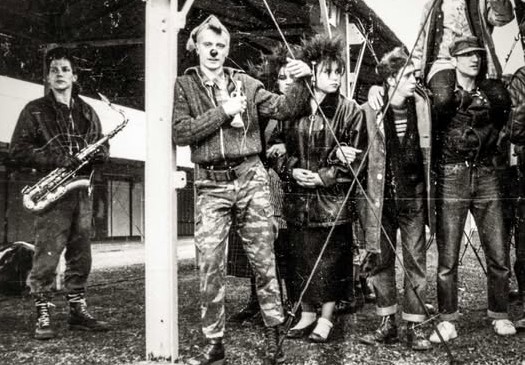
Bérurier Noir put Vivre Libre ou Mourir on Concerto pour détraqués in 1985: drum machine Dédé, barked slogan, Paris DIY anarcho-punk on Bondage.
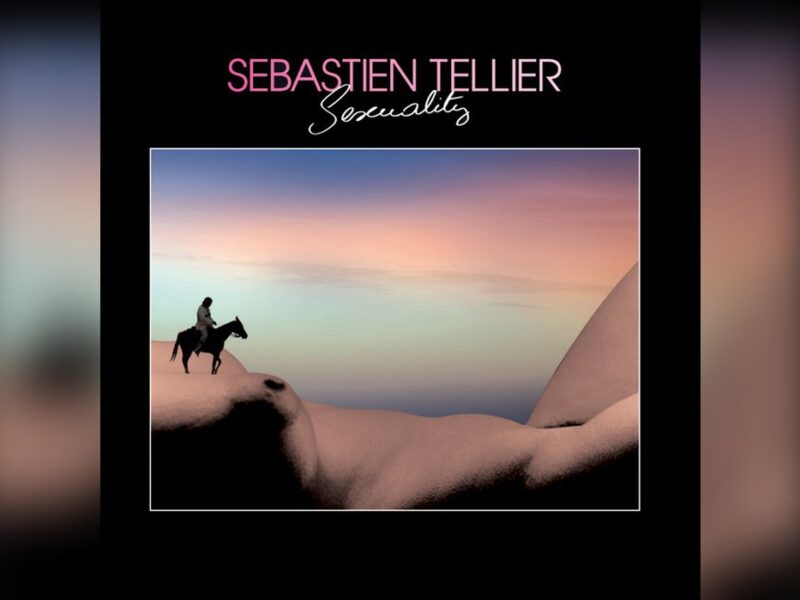
In February 2008, Sébastien Tellier released Sexuality, his first album produced by someone else: Guy-Manuel de Homem-Christo of Daft Punk.
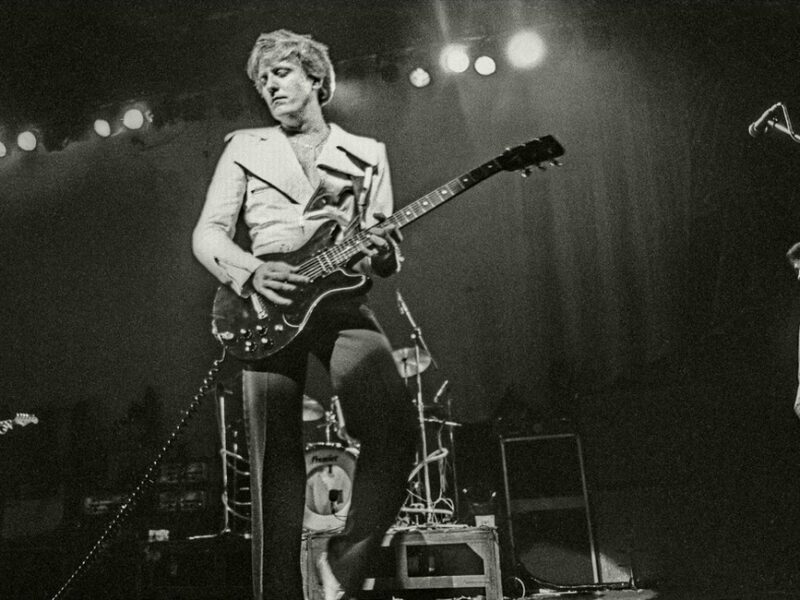
John Miles’s Music (1976 Decca): Alan Parsons at Abbey Road, piano-to-orchestra climb, Melody Maker praise.
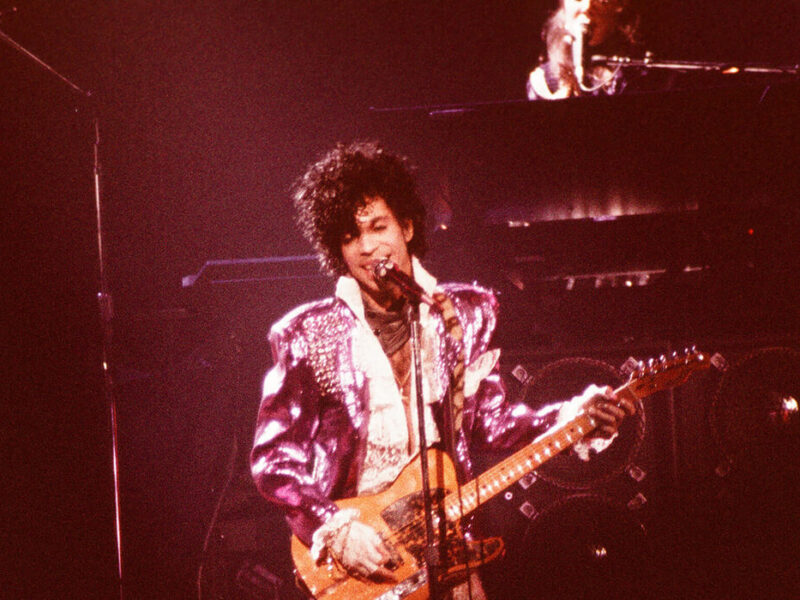
Minneapolis, late seventies: Prince Rogers Nelson signed to Warner Bros. as a teenager who could play most of the parts himself.
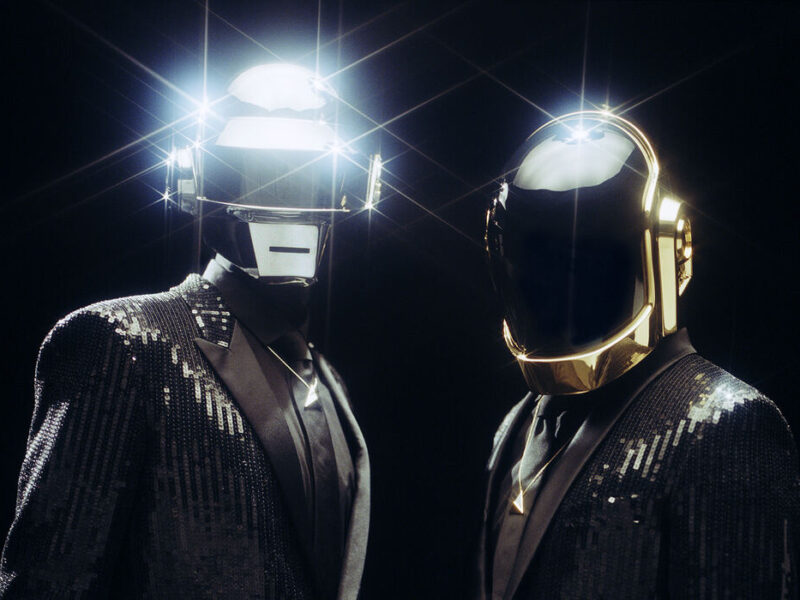
Daft Punk’s Instant Crush (Random Access Memories, 2013): Casablancas vocal, Bangalter/Homem-Christo, Columbia.
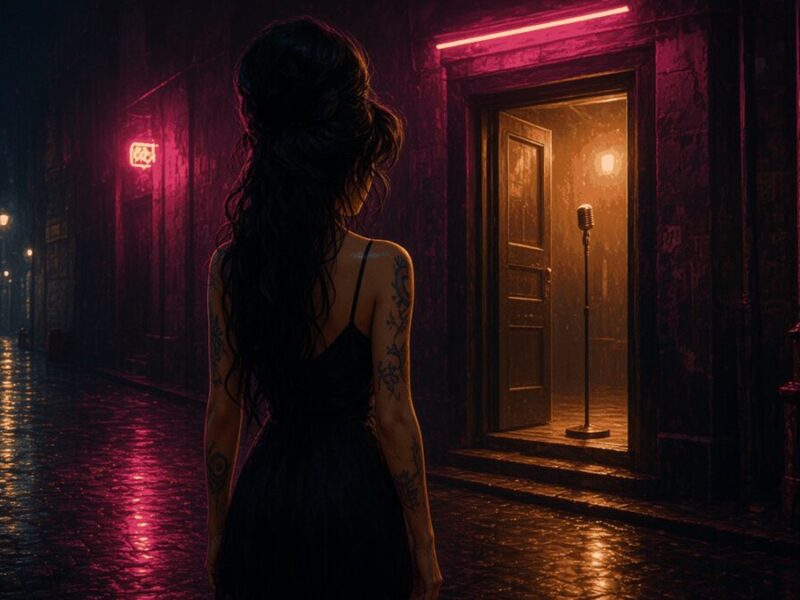
Riffs and Beats finds Amy Winehouse at a Camden doorway after hours, beehive intact, treating the afterlife like a small room with a big voice.
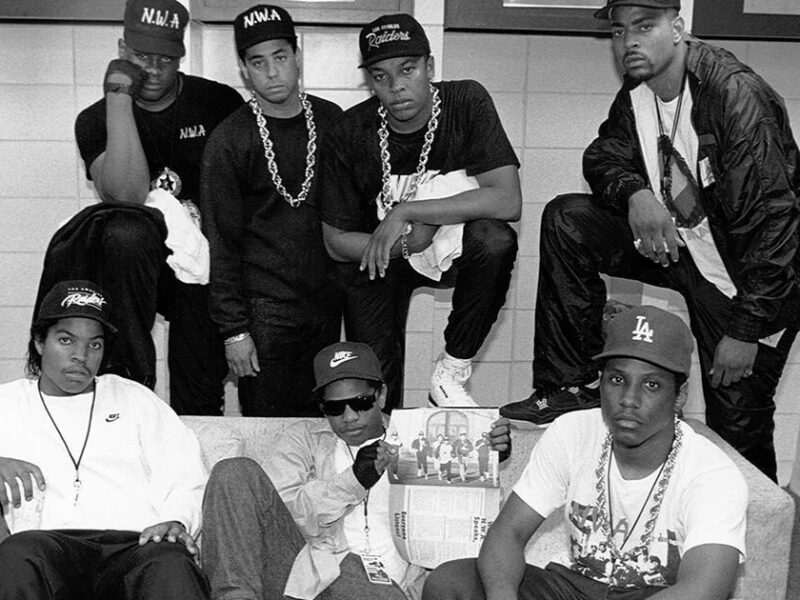
In 1988 five men from Compton put a street report on vinyl and forced American radio to decide whether to play it or pretend it did not exist. N.W.A.'s Straight Outta Compton gave West Coast hip hop a distinct sonic identity and a documentary mode
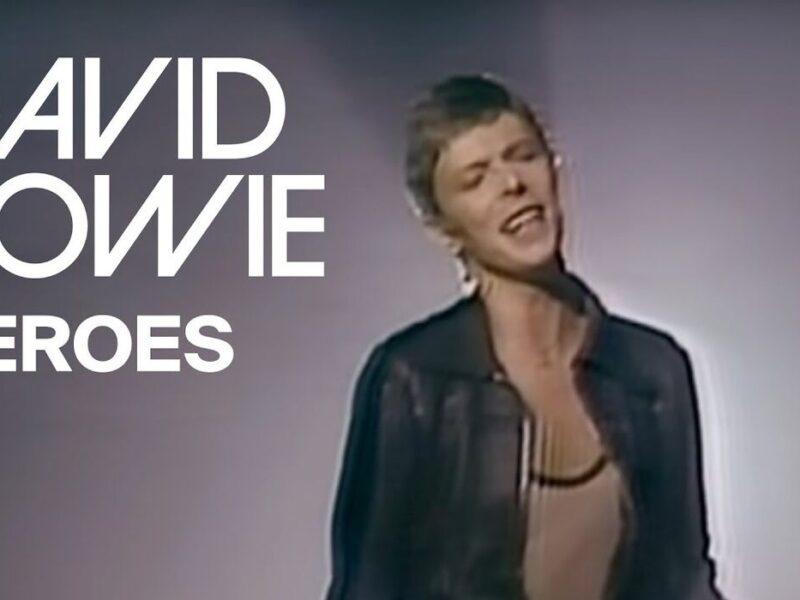
Bowie’s "Heroes" (Hansa, 1977): Visconti multi-mic, Fripp feedback, Eno pads, Berlin Wall lovers lyric.
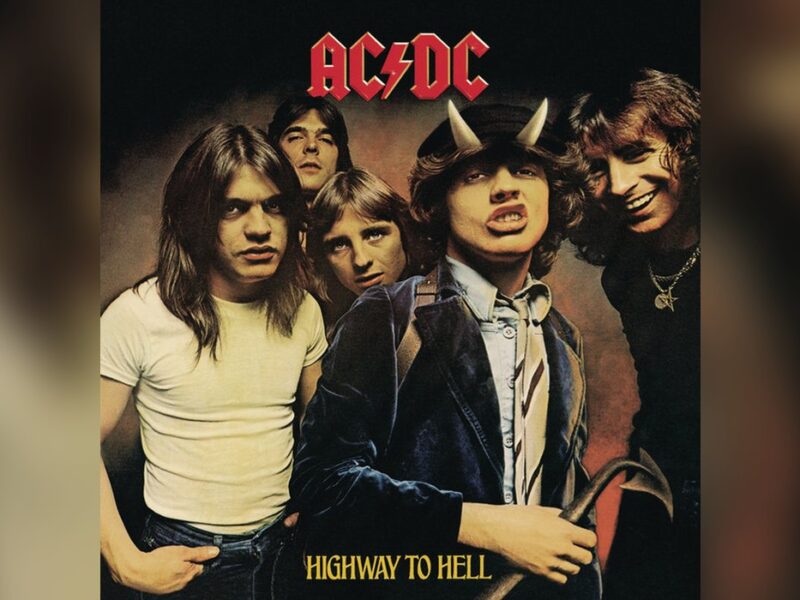
By early 1979 Atlantic wanted an AC/DC album that could crack American radio without turning the band soft.