
Homem-Christo takes the chair
In February 2008, Sexuality landed on Record Makers and Lucky Number as Sébastien Tellier’s third studio album and his first with an outside producer in the chair. Guy-Manuel de Homem-Christo of Daft Punk took the job, with Eric Chédeville co-producing. The brief was clear: electronic music that behaved like intellectual R&B, Latin-leaning seduction without club vulgarity, soft bass and glossy pads instead of a dancefloor manifesto.
The partnership had a concrete start. During Daft Punk’s Electroma, the duo had asked to use Tellier’s “Universe”. When Homem-Christo was invited to produce Sexuality, he said yes at once and later called Tellier maybe the best singer and composer in France. You hear that trust in the mix: dry-ish vocals close to the mic, slow tempos, melodies that stay intimate. “Roche” opens the set. “Kilometer” and “Elle”, co-written with Homem-Christo, push French Touch vocabulary toward bedroom pace. “Look” stays watchful; “Sexual Sportswear” runs about seven minutes; “Divine” packs glitter and a gospel-tinged chorus into a short anthem that would soon take France to Eurovision.
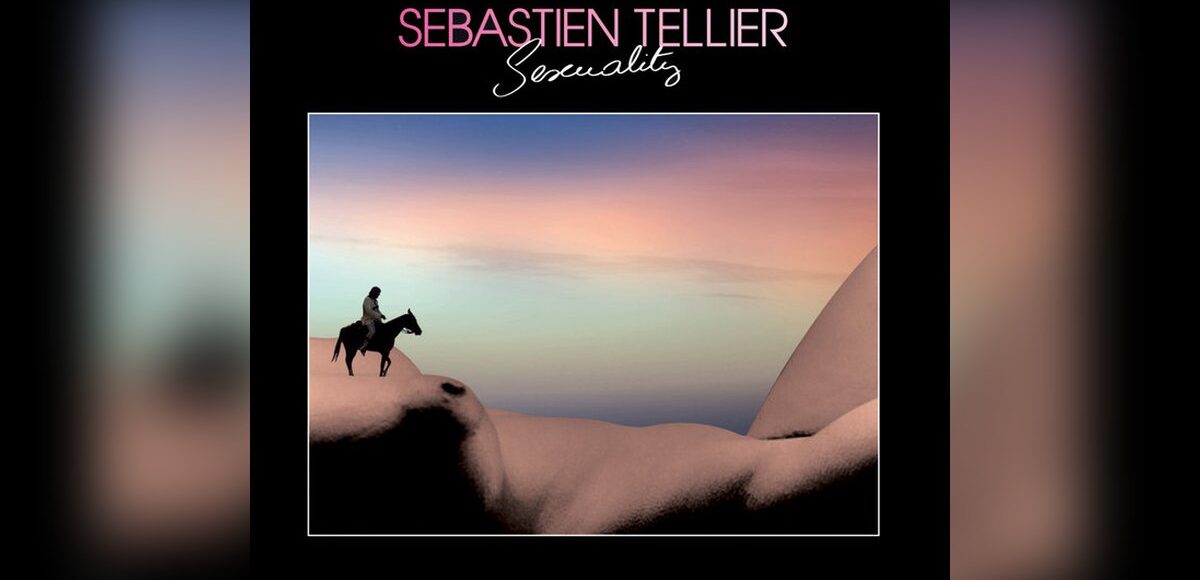
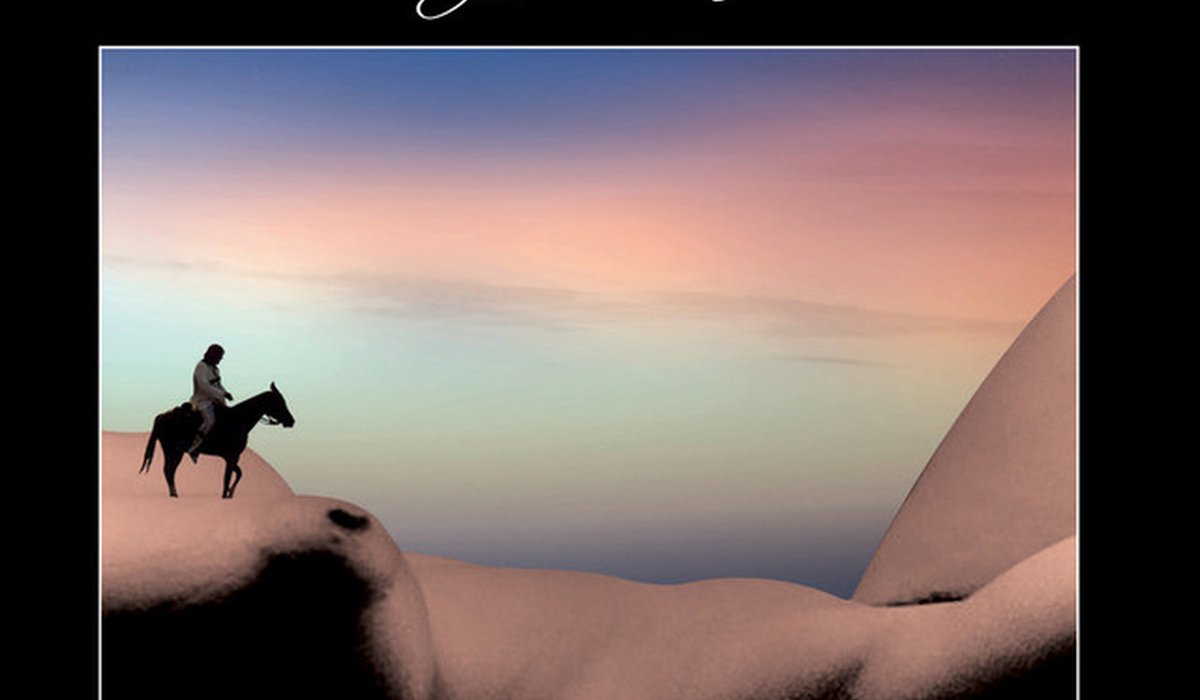
What holds Sexuality together is restraint. Tellier said he wanted Italian or Latin seduction, the big lover with the broken heart, and he kept the lyrics and the groove away from cheap shock. The sleeve makes the thesis literal: a body treated as landscape, a tiny rider on a flesh horizon under a violet-orange sky. Eleven tracks, roughly fifty minutes, almost no rush. Synth lines, whispered singing, and a polish that never freezes the performances.
It’s very electronic and like intellectual R&B, although not in the same way that Beyoncé or Justin Timberlake are R&B. I wanted to make music that would sexually excite people in an Italian or Latin sense of sexual music; the big seducer with the broken heart… I tried to keep vulgarity away from sex and my music.
(Sébastien Tellier, on Sexuality, Record Makers)
Released around 25 February 2008, the album sat next to the French Touch without turning into a club campaign. “Divine” went to Belgrade as France’s Eurovision entry; “L’Amour et la violence” closes the cycle. Critics heard a soft-focus concept record; listeners used it as late-night headphone music with a clear producer credit and a clear mood.
Come back to Sexuality and the facts still hold: Homem-Christo’s calm programming, Tellier’s low murmur, a body-as-landscape sleeve that does not wink for shock value. Desire here is arrangement and tempo, not shout. The album remains one of the oddest, most tender links between Daft Punk’s circle and a French songwriter who treated sex as mood, melody, and carefully guarded mystery.