
Waters after The Wall, Wright gone
The Final Cut reached shops on 21 March 1983 (Harvest / Columbia), billed as “a requiem for the post-war dream by Roger Waters, performed by Pink Floyd.” Richard Wright was already out of the band. David Gilmour’s input was limited; Nick Mason remained on drums. Michael Kamen and James Guthrie produced with Waters. The album grew from leftover Wall ideas and from Waters’ anger at the Falklands War and Thatcher-era politics. It is the last Floyd studio album with Waters in the group.
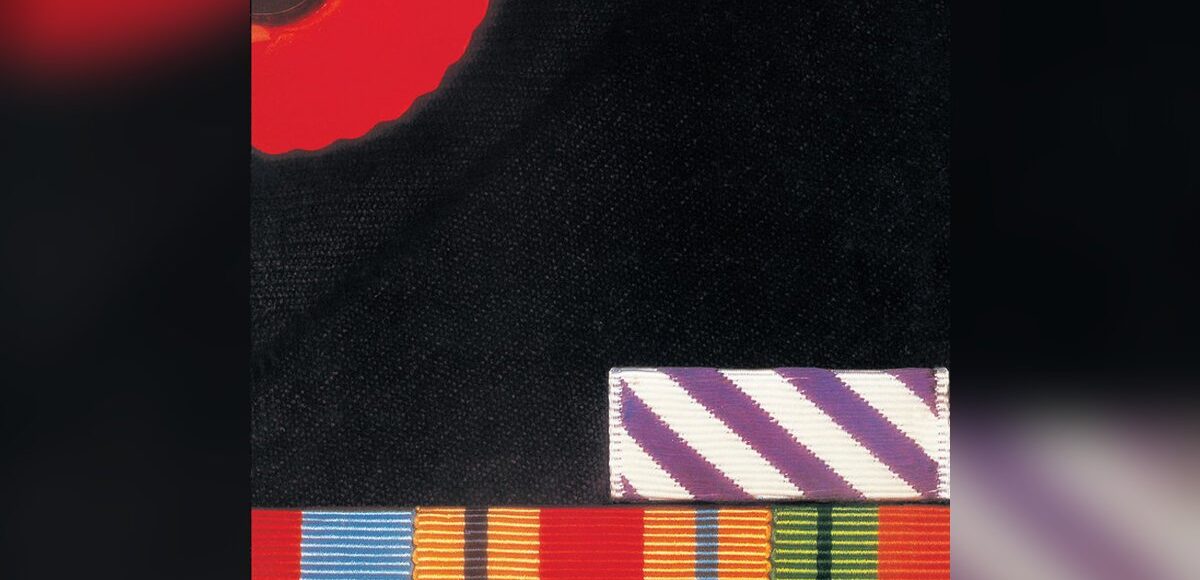
The sequence is almost a Waters solo narrative with Floyd branding. Orchestration and brass colour ballads such as The Gunner’s Dream and The Fletcher Memorial Home. Your Possible Pasts and One of the Few stitch Wall-era characters into the new brief. Not Now John is the hard single: shouted chorus, Gilmour on lead vocal for the hook, a blast of rock against the quieter requiem tracks. Sleeve photography by Willie Christie shows a uniformed figure with medals; no Hipgnosis prism this time.
Sessions ran across several UK studios in mid-to-late 1982. Tension in the control room is part of the documented story: Waters driving the concept, Gilmour arguing for more music and less speech. The finished LP still charted high in Britain and the US, carried by name recognition and by Not Now John as the radio door.
It was very much Roger’s record. The rest of us were there to play what was needed for that story.
(Nick Mason, on The Final Cut)
After release, Waters left; Gilmour and Mason continued Pink Floyd without him. Remasters keep The Final Cut in the catalogue beside The Wall, often heard as the bitter coda rather than a crowd favourite. Official videos for Not Now John and The Fletcher Memorial Home still frame how the campaign looked in 1983.
Play it again and the argument is still blunt: war, betrayal of the post-war promise, a band reduced to the writer’s frame. The Final Cut is Pink Floyd at the end of the Waters era, a requiem that sounds like one man’s brief more than a four-way compromise.