Mark II, 1969-73: Hammond roar, Blackmore riffs, and the hard rock template
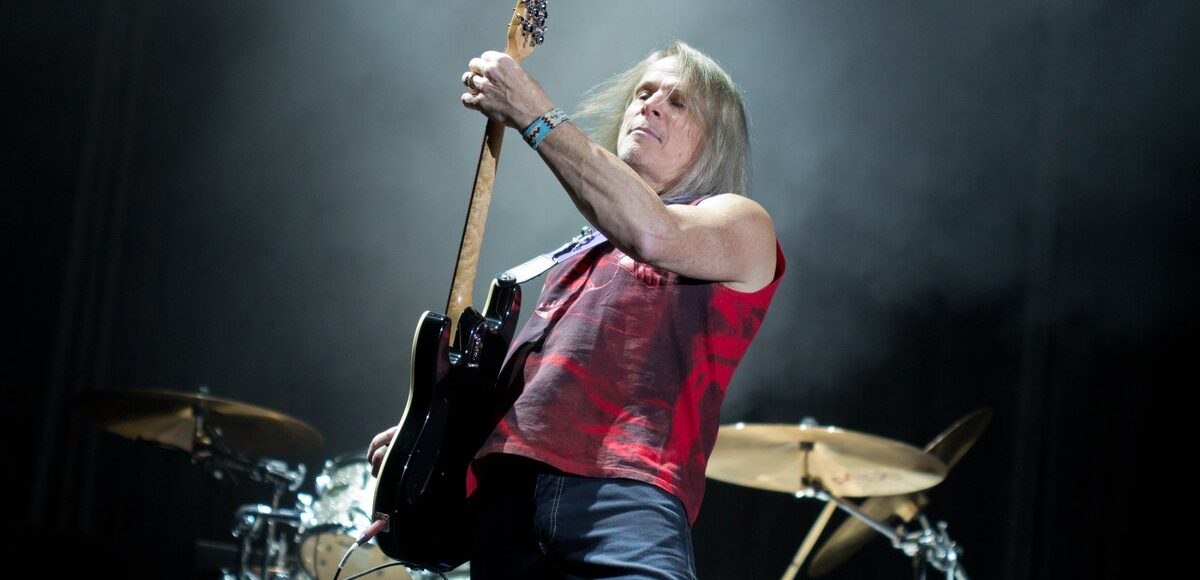
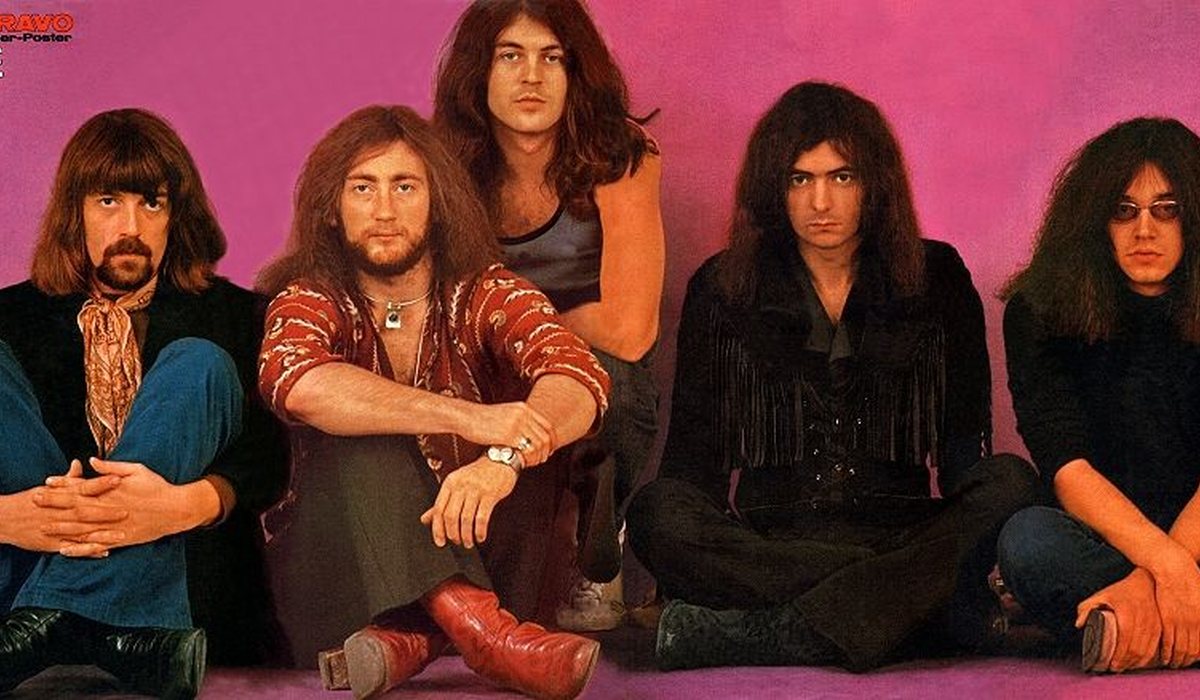
Deep Purple formed in Hertford, England, in 1968. The Mark II lineup – Ian Gillan, Ritchie Blackmore, Jon Lord, Roger Glover, Ian Paice – locked in during 1969 and defined the band’s hardest classic stretch. Lord’s Hammond and Blackmore’s guitar shared the front. Gillan’s scream sat on top. Paice and Glover drove a heavy, precise rhythm section that later metal bands treated as a blueprint.
Concerto for Group and Orchestra (1969) with the Royal Philharmonic showed Lord’s classical ambition. In Rock (1970) and Fireball (1971) swung back to loud studio rock. Machine Head (1972), cut in Montreux after the casino fire that inspired “Smoke on the Water,” became the commercial peak. The riff of that song, four notes and a story about a burned venue, entered every guitar shop.
“Highway Star,” “Lazy,” and “Space Truckin'” filled the rest of Machine Head with speed, blues, and long-form jamming. Made in Japan (1972) captured the live scale. Burn (1974) and the Mark III/IV years with David Coverdale and Glenn Hughes changed the vocal colour but kept the organ-guitar axis. Breakups, reunions, and later studio albums kept the name on the road.
The Mark II reunion cycles and the Rock and Roll Hall of Fame induction confirmed the catalogue’s weight. Jon Lord’s classical projects and Blackmore’s later folk-rock turn showed how far the members could stretch once the machine paused. Paice remained the constant behind the kit across decades of lineup cards.
Deep Purple’s practical gift is the shared lead: keys and guitar as equals, not decoration. That balance, plus Gillan’s range and a rhythm section that could swing and pound, set a path for hard rock and early metal without needing a single manifesto speech.
Purple Records and the Warner years framed the business side while the band chased volume onstage. Cover versions by metal and hard-rock acts multiplied the Machine Head DNA. Gillan’s exits and returns became part of the folklore, but the riffs outlasted any single lineup card.
Radio still leans on “Smoke on the Water” and “Highway Star.” Guitar magazines still print the Montreux riff as lesson one. Festival bills still book the name because the live engine, rebuilt across eras, still delivers volume with form.
Start with Machine Head for the sharpest studio cut. Add Made in Japan for the room sound. The rest of the catalogue is variations on a method that was already clear by 1972.
Deep Purple did not invent heavy music alone, but they industrialised a version of it that countless bands copied: organ bite, guitar riff, and a singer who could clear the hall. The Mark II years remain the proof.