Los Angeles 1977: studio aces become a band, then Toto IV takes the Grammys
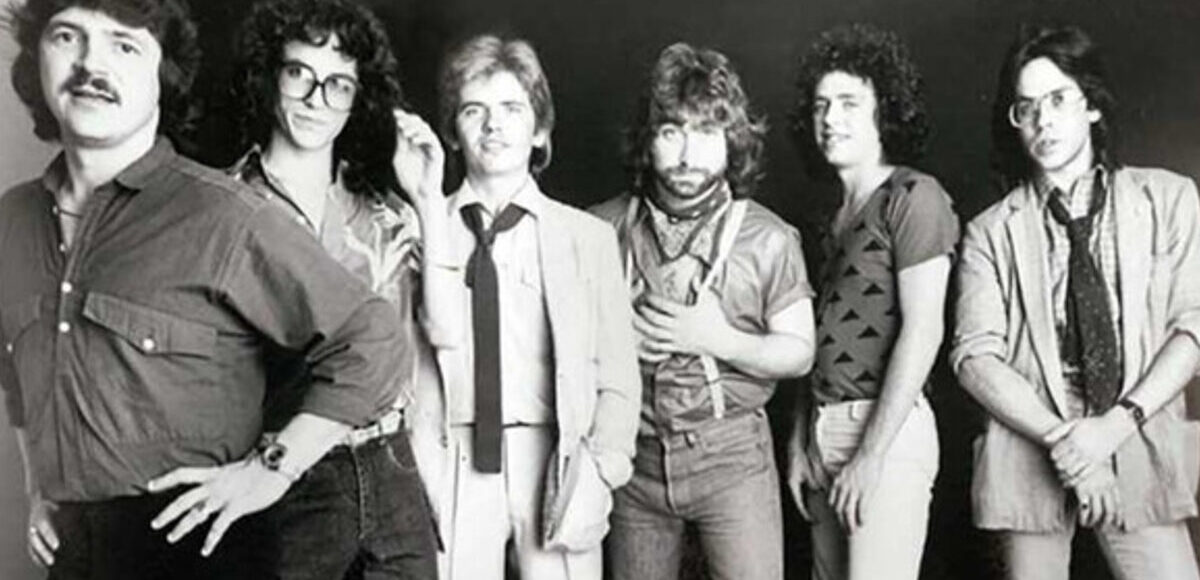
In 1977, six musicians who had spent years as first-call session players in Los Angeles decided to make a record under their own name. David Paich, whose father Marty Paich was a respected arranger, shared keyboard duties with Steve Porcaro. Jeff Porcaro, Steve’s brother and son of jazz drummer Joe Porcaro, was behind the kit. Steve Lukather handled lead guitar and was already one of the most recorded musicians in California. David Hungate played bass, and Bobby Kimball sang. The combined session credits at the time of formation included Michael Jackson, Boz Scaggs, and Steely Dan, among many others. The group formed not out of necessity but out of a genuine desire to write their own material.
Toto (1978, Columbia) established the template: clean production, sophisticated chord changes, strong hooks, and playing that did not call attention to itself. “Hold the Line” became a rock radio hit on the strength of Paich’s piano part and Kimball’s vocal range. The Steely Dan influence was audible in the harmonic vocabulary and the production decisions, though Toto were more direct melodically and more interested in straightforward commercial formats than Becker and Fagen typically allowed themselves to be. Hydra (1979) and Turn Back (1981) kept the audience without significantly expanding it.
Toto IV (1982) is the record that defines the group’s public identity. Six Grammy Awards in 1983, including Album of the Year and Record of the Year for “Rosanna.” “Africa” reached number one in the US and has remained in continuous circulation, partly due to a sustained internet revival in 2018 that made it the most-streamed song on several platforms for a specific week. The two hits are different in method: “Rosanna” is built on a shuffle groove named the Rosanna Shuffle for the way Jeff Porcaro combined a half-time feel with a rock pattern; “Africa” has a more atmospheric arrangement with tuned percussion and layered keyboards that give it an orchestral weight its contemporaries lacked.
The production approach on Toto IV, and across most of the catalog, was a deliberate application of session discipline to band recording. The musicians played parts that served the song without improvising beyond what the track required. Lukather’s guitar solos were concise and melodic rather than extended showcases. Paich’s keyboard arrangements filled the harmonic space without crowding the vocal. The drum production on “Rosanna” is an object lesson in how a groove can be technically sophisticated and still land on commercial radio. Jeff Porcaro was frequently cited by drummers as one of the most influential studio players of his era.
Fahrenheit (1986) and The Seventh One (1988) maintained the format while the AOR market they had helped define began to shift. Kimball left after Toto IV and was replaced by Fergie Frederiksen and later by Joseph Williams, son of film composer John Williams. The revolving vocal position was a recurring challenge. Lukather carried more of the lead vocal work as the lineup changed. Hungate left and was replaced by Mike Porcaro, another Porcaro brother, who was later diagnosed with ALS and died in 2015. Despite the personnel changes, the production quality and the songwriting approach remained consistent.
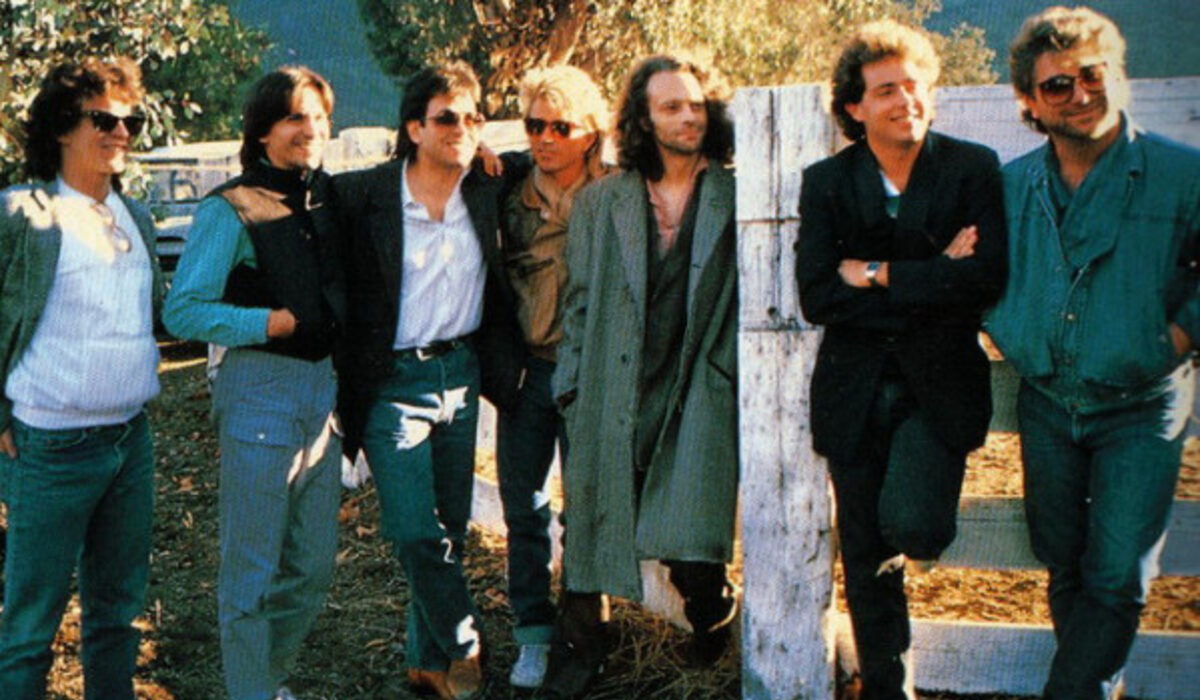
Jeff Porcaro died in August 1992 at 38, following a cardiac episode. The group continued, with Simon Phillips, formerly of Judas Priest, taking the drum seat. Tambu (1995), Mindfields (1999), and Falling in Between (2006) kept a European touring audience large enough to sustain the band’s activity. A reunion involving several of the Toto IV lineup members in 2010 and a series of anniversary tours in the late 2010s confirmed the catalog’s durability on the festival circuit, particularly in Europe where the group had always drawn larger audiences than in the United States.
The influences behind the group are mostly from the earlier Los Angeles session culture: the Wrecking Crew generation of the 1960s, Steely Dan’s studio precision, Tower of Power’s horn arrangements, and the harmonic richness of Motown songwriting. Paich’s formal training gave the chord writing a jazz vocabulary that most rock bands of the period did not use. Lukather’s guitar phrasing owed something to Carlos Santana and to the melodic rock tradition rather than to blues-based rock or heavy metal, which made his playing distinctive in a genre where pentatonic runs were the default.
Entry points are uncomplicated: Toto IV for the Grammy hits and the production peak. Toto (1978) for the original statement and “Hold the Line.” The Seventh One (1988) has a slightly warmer production than the Toto IV era and is worth hearing in sequence. Compared to contemporaries: Journey and REO Speedwagon shared the AOR lane but were less harmonically sophisticated and more directly emotional. Foreigner had the hooks but not the musicianship. Toto played their own records with the precision of session men who had watched many sessions go wrong, and that technical confidence is audible in the detail of the arrangements.
The catalog has had a curious afterlife. The internet rehabilitation of “Africa” in particular brought listeners to a back catalog they had not expected to find interesting and often did anyway. The playing is the reason: these are musicians who knew exactly what they were doing, and the records sound finished in a way that rewards closer listening than the radio format suggested. Put Toto IV on in sequence and “Rosanna” sounds different once you have heard what comes before and after it. The session culture that produced this group produced better band records than that culture usually allowed itself.