
A backing track that made her cry
The piano glissando is a curtain, not a riff, and the beat underneath is already dancing before anyone has been invited. Voices stack in thirds that feel like a hallway of mirrors, bright, a little formal, impossible to walk through without smiling. Dancing Queen does not describe a night out. It builds the night first, the floor, the lights, the seventeen-year-old who is a character and not a confession, and only then lets the melody admit how good it feels to be looked at. The feeling is not teenage. The craft is adult, almost severe, which is why the joy does not wilt.
They recorded it in August 1975 at Metronome Studio in Stockholm, Benny Andersson and Björn Ulvaeus producing, the song written by Andersson, Ulvaeus and Stig Anderson. The working title was Boogaloo. The rhythm took a hint from George McCrae’s Rock Your Baby and from the drums on Dr. John’s Gumbo, American records filtered through a Swedish room that liked its pop exact. Anni-Frid Lyngstad has said that when Benny played her the backing track, before the vocal, she cried, and that she knew it was the best song ABBA had ever done. The single waited until August 1976. The album, Arrival, followed in October. Before the record, in June 1976, they sang it at a gala for King Carl XVI Gustaf, a first public outing in a room of protocol, which is a strange birth for a song about nobody asking your name on a floor. The king got the demo of a disco record. The rest of the world got the finished thing and did not give it back.
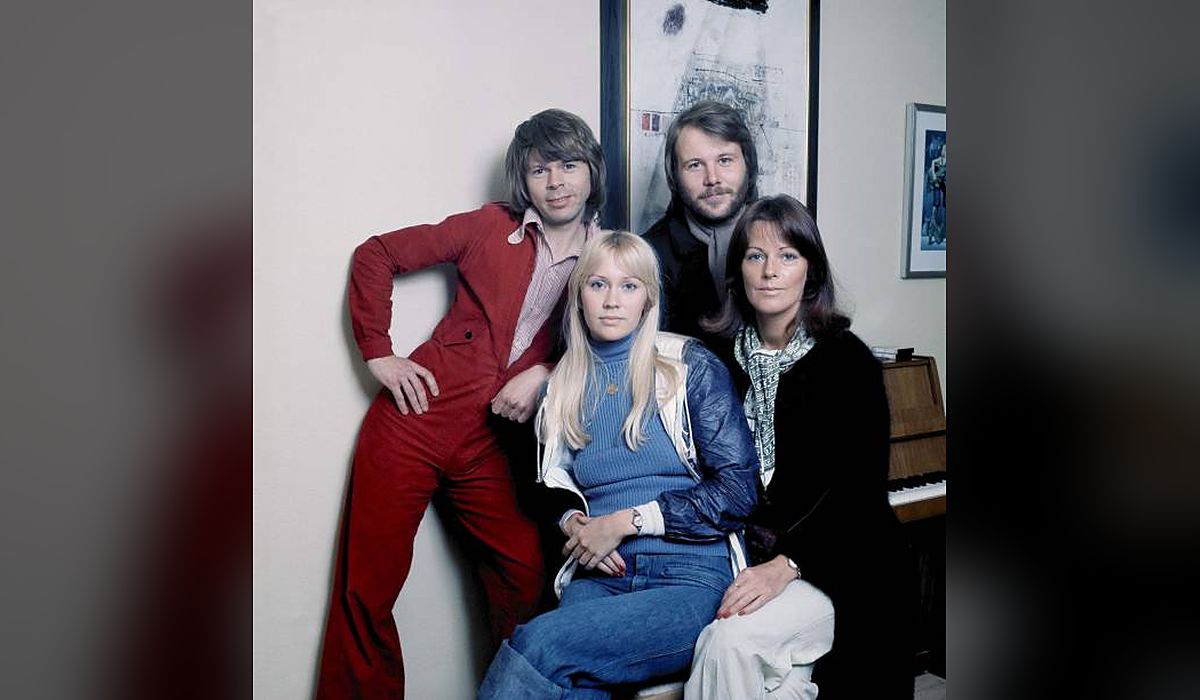
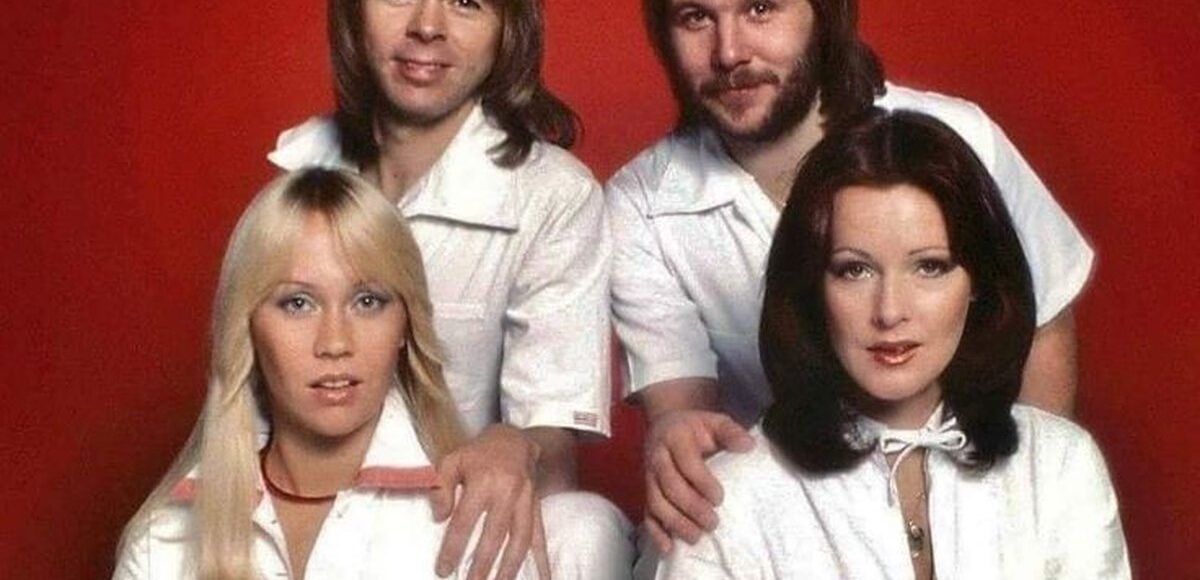
On stage the glissando is the lights coming up. The four of them stand inside a harmony that sounds larger than four, Agnetha and Frida locking, Benny’s piano commenting, Björn’s guitar keeping the boogaloo from floating off. Clips from the mid-seventies show the choreography as a suggestion, a turn of the wrist, not a routine. The song does not need a routine. It is already a room. Later tours kept it near the end, where a set goes when it wants to be forgiven for everything else. It rarely needs the forgiveness. The piano has already opened the curtain.
I knew it was absolutely the best song ABBA had ever done.
(Anni-Frid Lyngstad, The Guardian, 2016)
The number one that followed, in a long list of countries, turned a studio certainty into a public fact and then into a burden. People who do not like ABBA often make an exception here, which is a backhanded way of admitting the record is better engineered than their objection. The seventeen in the lyric has been misread as autobiography for decades. It is a part, written for a listener who wants, for three minutes, to be the person the room notices. Andersson has named other songs as his own favourite. Frida’s tears are about this one. The distinction matters. The group did not agree on a masterpiece. One of the singers heard the track and settled the argument with her face.
What remains is the curtain. Dancing Queen still sounds like a night that has been built to specification and somehow stayed human. The beat is borrowed, the harmony is Swedish, the feeling is whoever is dancing. You can hear the care, the glissando placed like a match, the vocal stacked until it becomes a crowd of two. When it starts, even in a shop, even in a film that is using it as a shortcut, the floor appears. That is a ridiculous power for a pop single. It has not worn out.