A chorus that arrives only when it has been earned
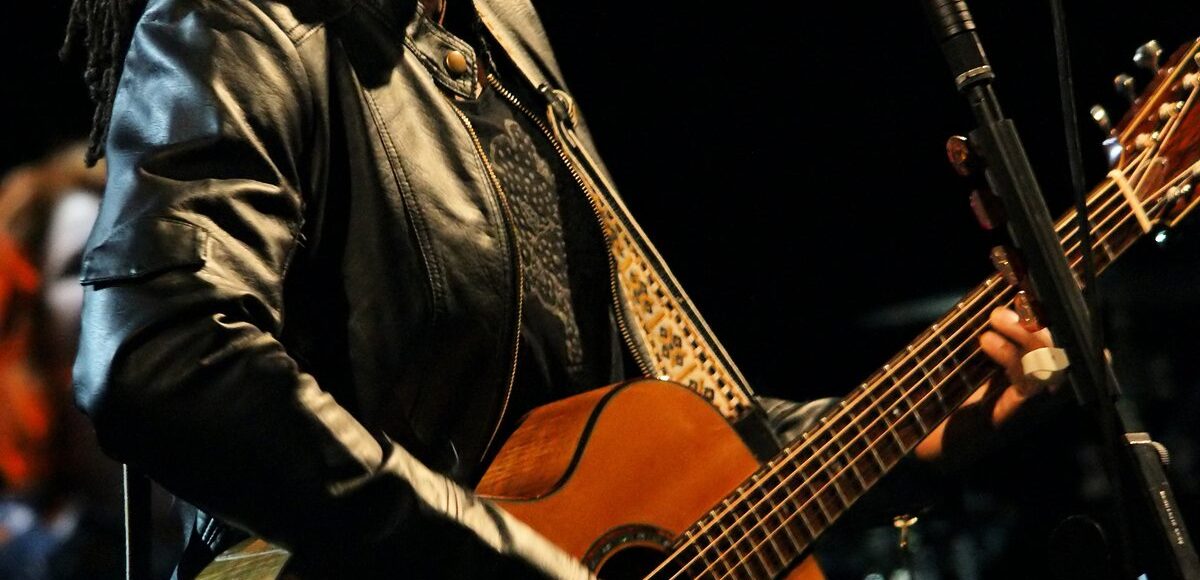
An acoustic guitar states a small circular figure, almost shy of the microphone, and Tracy Chapman’s voice comes in already in the middle of a life, a job, a father drinking, a plan that is mostly a car.
She played Fast Car for producer David Kershenbaum on the second day they met, in New York, a song that had not been on the tape he was sent. He knew, he has said, that it could be enormous, and also that the radios of 1987 were busy with other kinds of size. They recorded it in his Los Angeles studio for the album Tracy Chapman, released in 1988 on Elektra. She sang and played live. Larry Klein played bass, Denny Fongheiser drums, chosen after Kershenbaum tried other pairs against her guitar. There is no Auto-Tune, no punched-in heroism. The chorus does not arrive for a long time, which worried people who knew the rules of singles. He would not move it. The song is the wait, and then the release, a tom fill like a road opening, and then the wait again.
In June 1988 she played it at Wembley, at the concert for Nelson Mandela’s seventieth birthday, and a television audience that had not planned to meet her did. The single travelled after that. The lyric is not a metaphor for ambition in the cheerful sense. It is a couple trying to leave a city that keeps them, a job at the checkout, a promise to get a job in the city and live together, and the slow knowledge that the fast car is a loop. She has never decorated the story in interviews. The recording does not need her to. Kershenbaum kept her in front. Everything else is there to make the guitar and the voice larger by staying small.
The second day we met, she said, I’ve got this other song I’m just finishing. Can I play it for you?
(David Kershenbaum, Billboard)
The song has been covered until the covers are a genre, and in 2023 a country version sent it back up the charts, which proved the bones and also proved nothing the original did not already know. Chapman’s version remains the one that sounds like a person in a room, not a production about a person in a room. The little guitar line at the start is hers, played live, not a sample of atmosphere. Klein’s bass is a floor. Fongheiser waits, then opens the chorus like a decision. You can hear her never having played with a band before, and you can hear that it did not matter, because the time was in her hands.
What remains is the conditional. If we had a fast car, we could leave. The if is the whole song. Chapman does not grant the escape. She sings the wish, the beer, the father, the job, the repeated chorus that gets sadder each time it promises speed. Kershenbaum’s bet, that a quiet record could touch people if they were allowed to hear it, was won in public at Wembley and then in private, in cars, which is the correct room. The figure on the guitar is still turning. The city is still behind her. The light is still green, and she is still deciding whether to go.