
An elegy addressed to no one
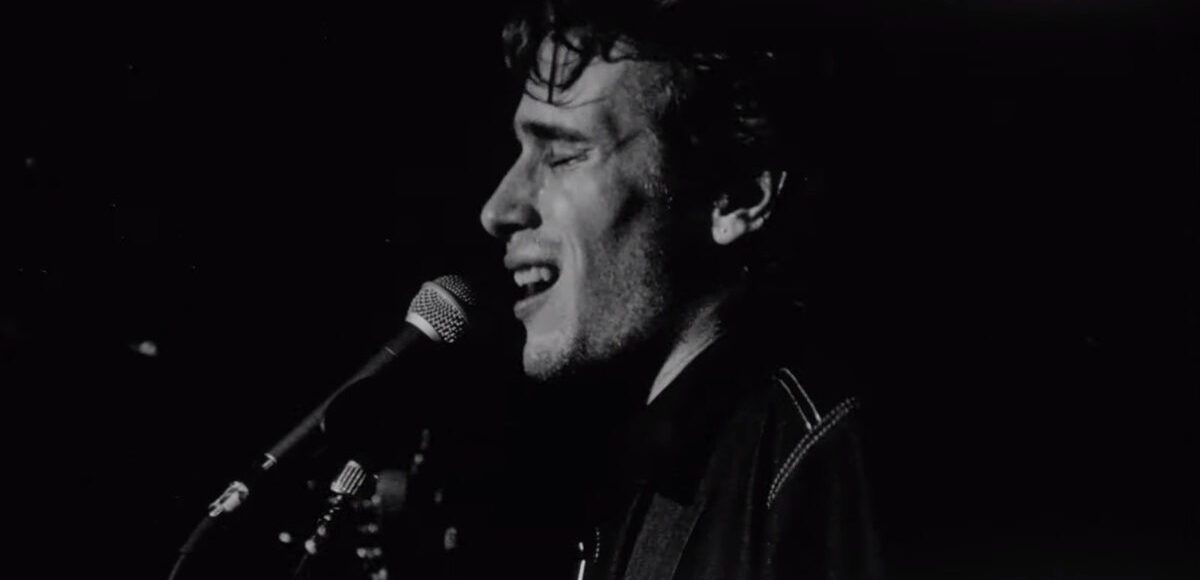
The guitar opens like a window in bad weather, and Jeff Buckley’s voice is already somewhere above the room. He does not warm up. He arrives at full risk, then pulls back to a near-whisper, as if the song were a shoreline he keeps leaving and finding. Grace, the title track of the 1994 album, is a love song that has already attended its own funeral and decided not to be afraid. The band stays close. The voice does not. It climbs because the lyric has given it permission.
The music began as an instrumental by Gary Lucas, Rise Up to Be, from their short collaboration. Buckley wrote the melody and the words onto it, drawing, he said, on a rainy goodbye at an airport and on a larger refusal to fear his own end. They recorded the album at Bearsville in Woodstock with Andy Wallace producing, a studio of wood and distance, the vocal captured with the patience of someone who knew the take would have to contain both the hush and the flight. Mick Grøndahl and Matt Johnson hold the floor. The arrangement blooms and then thins, never crowding the singer who is doing the dangerous work.
What he told an interviewer that year was plainer than the myth that later wrapped him. The song was a eulogy to no one. It was about his death, and about not fearing it, because someone, finally, loves you for real. Grace, in his mouth, was not a religious brand. It was the quality that stops you reaching for the gun, that keeps you from smashing what you cannot understand. The single did not storm the charts. The album found its people slowly, then all at once, especially after the river in Memphis in 1997 made every line about dying sound like a prophecy. It was not written as one.
The song itself is just a eulogy to no one. It’s a song about my death, but not fearing it.
(Jeff Buckley, MuchMusic, 1994)
On stage he could stretch it until the room forgot the clock, the voice breaking into colors the record only suggests. The studio version is the map: verse, lift, the word grace held like a hand over a flame. Listeners who came for Hallelujah sometimes met this song second and stayed. It is less of a cover’s conversation and more of a will. He is not performing sorrow. He is practising a way to leave without panic.
What remains is that practice. A co-write, a rainy tarmac, a producer who let the voice be larger than the band, and a singer who said the quiet part in a television studio in 1994. Grace still sounds like weather you can survive. The fear is named. Then the note goes past it, which is the whole religion of the track.