
Strings pulled over a field of crosses
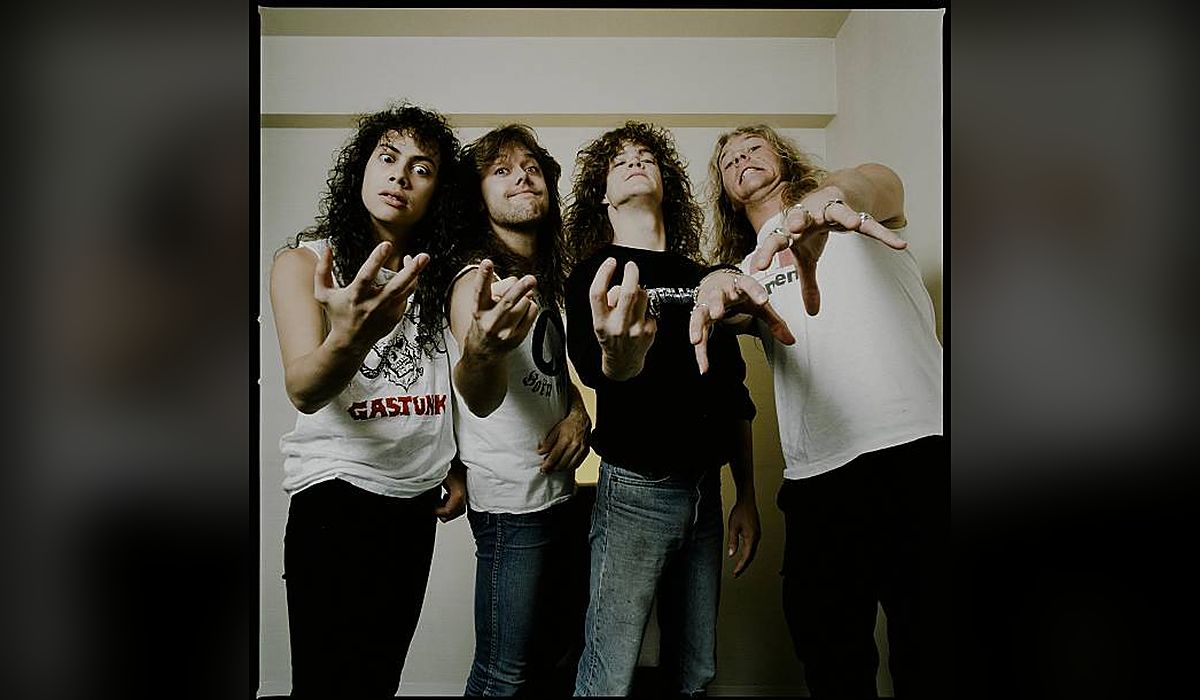
In March 1986, Metallica released an album with no advance single and a cover that already told you the subject: hands in a red sky, and a field of white crosses on strings. Master of Puppets does not ask to be liked in the first thirty seconds of Battery. It asks to be followed. The riff is a corridor. The vocal, James Hetfield’s, is less a melody than a report delivered at speed. Released on 3 March 1986, on Elektra, the record is the third by a band that had decided thrash could carry composition, not just impact. Eight songs. None of them are short in the way radio wanted. All of them are built.
They recorded it at Sweet Silence Studios in Copenhagen, from September to December 1985, with Flemming Rasmussen producing alongside the band. The distance from the Bay Area mattered. A cold city, a room they already knew from Ride the Lightning, and enough hours to arrange music that changes tempo the way a story changes rooms. Master of Puppets itself is the thesis in the title: control, addiction, a chorus you can shout and a midsection that drops into something almost classical before the trap closes again. Welcome Home (Sanitarium) is the quiet-loud argument done without borrowing anyone’s flannel. Disposable Heroes and Leper Messiah aim outward, war and preachers. The Thing That Should Not Be moves like something under ice. Then Orion, the instrumental, where Cliff Burton’s bass is not support but a voice, a composition with weather in it. Damage, Inc. slams the door.
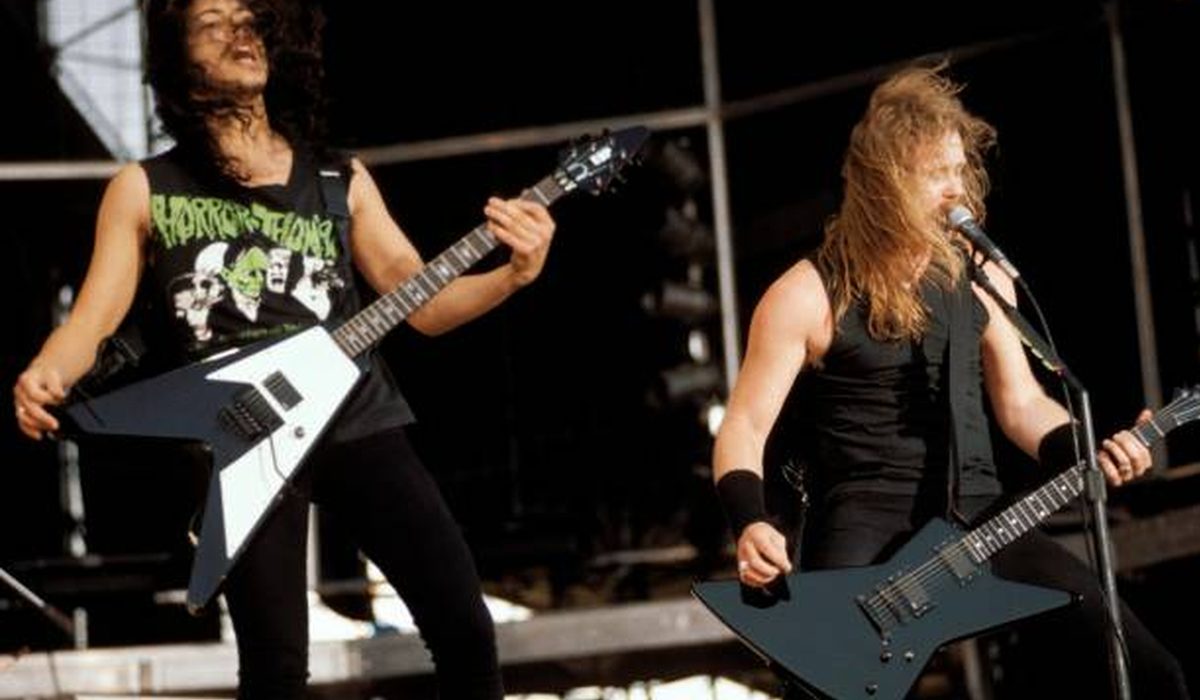
The cover painting is by Don Brautigam, from an idea the band and their manager sketched: crosses manipulated from above. It is blunt, and the music earns the bluntness by being precise. Hetfield’s downpicking is a grid. Lars Ulrich’s drums push against the grid without breaking it. Kirk Hammett’s solos are events, not decorations, placed where the song has already earned a cry. Burton is the one who keeps the heaviness from becoming only weight. You can hear a man who had listened to more than metal and had refused to apologize for bringing it in.
I still think Master of Puppets is our best album.
(James Hetfield)
There was no video campaign waiting at the door. The band went on the road. On 27 September 1986, in Sweden, the tour bus crashed near Dörarp. Burton was killed. He was twenty-four. Master of Puppets is the last album he played on, and it is unbearable, and also correct, that the instrumental at the heart of it carries so much of his writing. The record does not become a eulogy by magic. It was already a complete thought before the road took him. What the death did was freeze the thought in place. Later lineups would be powerful. They would not be this one.
Play Orion with the volume up enough to hear the bass as a lead, then go back to Battery and notice the same discipline at a sprint. That span, from sprint to requiem and back, is why the album sits where it sits. Not because it is the heaviest thing in the rack. Because it is organized. The hands on the cover keep pulling. The songs keep agreeing to be pulled, and then, in the turns Burton wrote, they pull back.