
Kick that does not ask permission
The kick does not ask permission. It lands dry and huge, and a sequencer answers a fraction late on purpose. Then the choir stab, bright and slightly unreal, and Peter Hook’s bass, which refuses to sit like a rhythm instrument. Blue Monday is seven and a half minutes of club physics. Released by Factory in March 1983, it does not fade in. It starts already at work, built to sound louder than whatever the DJ played before it.
Bernard Sumner, Hook, Stephen Morris and Gillian Gilbert wrote it fast, around an Oberheim DMX they had barely learned. The brief was almost comic: tired of being shouted at for skipping encores, they imagined a piece the machines could play while the band left the stage. It did not stay that simple. At Britannia Row in London, with engineer Michael Johnson, they chased twelve-inch science: more level, more low end, a punch a club system would reward. Hook wrote the climbing bass in the room. The sequences ran long because the gear, for once, allowed length. They mixed it around the start of 1983 and put it out as FAC 73.
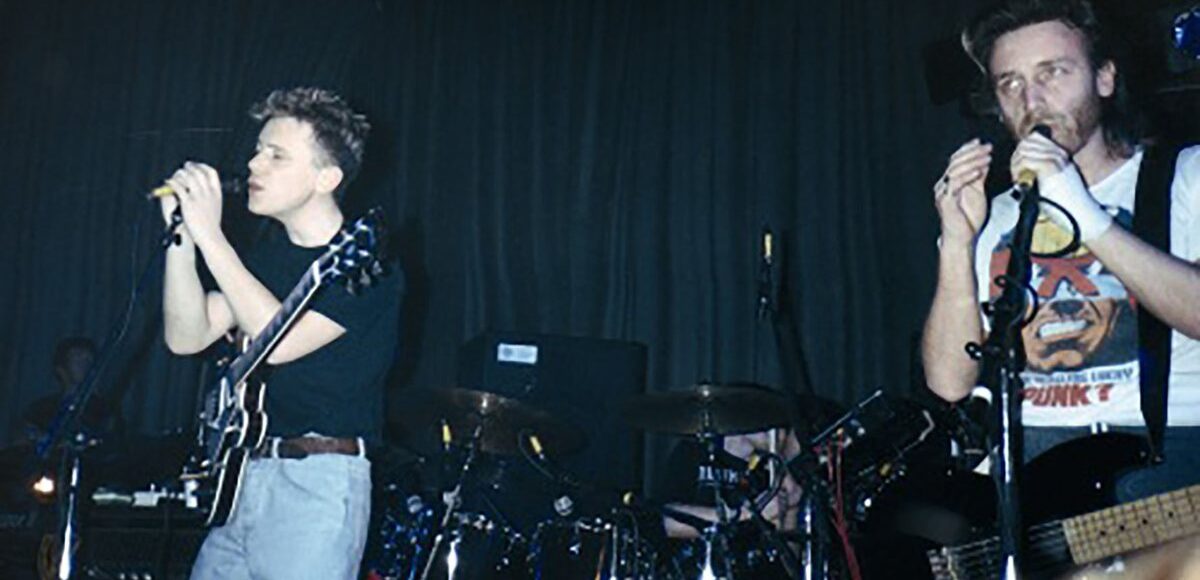
Peter Saville’s sleeve, a die-cut floppy disc, cost so much that early copies allegedly lost money. Factory’s idea of promotion was close to none. None of that stopped the record. DJs heard the sub-bass and the refusal to resolve, and the twelve-inch became the best-selling of its kind. It was not on the first pressings of Power, Corruption & Lies. It did not need an album. On stage it grew teeth, machines and humans arguing about who was in charge.
It’s not really our best song, but it was designed like a machine to make people dance.
(Bernard Sumner, Mad World)
Listeners who wanted another Joy Division were told, politely and then not, to look elsewhere. Sumner has been clear: he did not want to spend his singing life as a sketch of Ian Curtis. Blue Monday is that argument in rhythm. The lyric is small beside the arrangement. The feeling is not. A blue Monday, in the old phrase, is the day that will not start. Here the day starts whether you are ready or not, and it does not stop for a chorus.
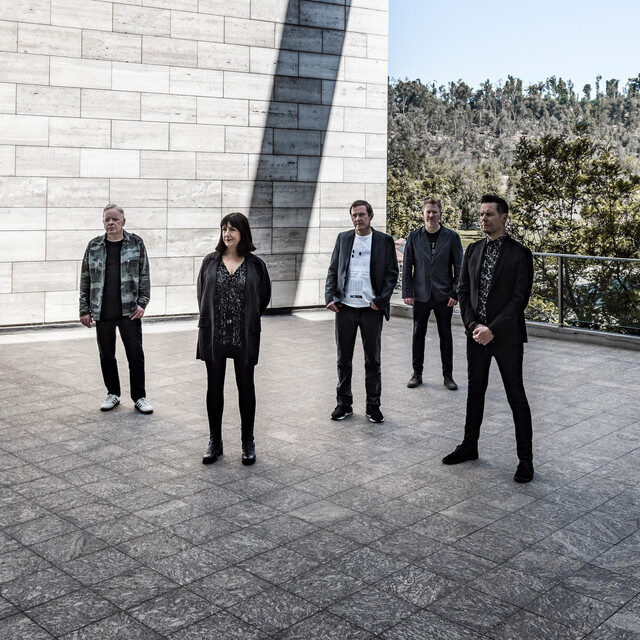
What remains is the limp that became the groove: late sequencer, kick that hits the chest first, bass that finally climbs like a decision. Dance music spent decades refining the lesson. New Order stated it once, on a sleeve that looked like office equipment, then had to play the thing for the rest of their lives. The button they hoped to press still needs four people. The machine, it turned out, had a band inside it.