
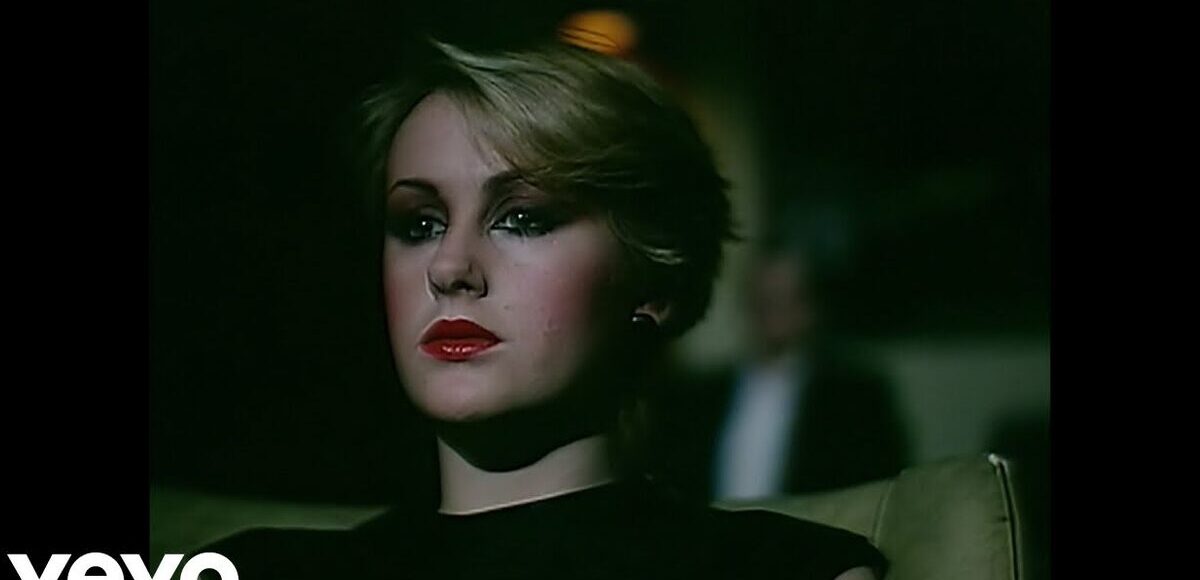
Oakey counts the story from his side
A synth bass counts in four, then Philip Oakey starts the story from his side: he found her, he made her a face, and he cannot believe she is leaving.
The Human League recorded Don’t You Want Me for Dare at Genetic Studios in Reading, with Martin Rushent producing. The album came out on Virgin in October 1981. Oakey built the lyric from a teen-magazine photo-story and from the plot of A Star Is Born: a man picks up a waitress, turns her into a star, and loses her. Jo Callis and Philip Adrian Wright first cut a harsher synth arrangement. Rushent and Callis softened it for radio. Oakey hated the soft version. He ranked it the weakest track on the record and parked it at the end of side two. Susan Ann Sulley sings the reply, the waitress who was working in a cocktail bar. That detail sat close to real life: she and Joanne Catherall had been spotted in a Sheffield club the year before, still not singers. Virgin’s Simon Draper pushed for a fourth single. Oakey fought the idea, then agreed only if a poster came with the seven-inch, so buyers would not feel robbed by a leftover.
It became the British Christmas No. 1 in 1981 and hit No. 1 on the Billboard Hot 100 in 1982. Oakey still sounds cool about it. In 2014 he told Classic Pop that the track may have shifted huge numbers, but that he had either heard it too often or the rest of Dare simply outclassed it. Listeners never shared that ranking. The duet is the mechanism. Her verse does not apologise. She was working, he chose her, now she is famous and, as she sings, five times more so. He wrote a complaint. The arrangement keeps giving her the sharper lines.
Don’t You Want Me might have shifted gazillions, but either I’ve heard it too many times or the rest of Dare is just so far ahead that it puts it in the shade.
(Philip Oakey, Classic Pop, 2014)
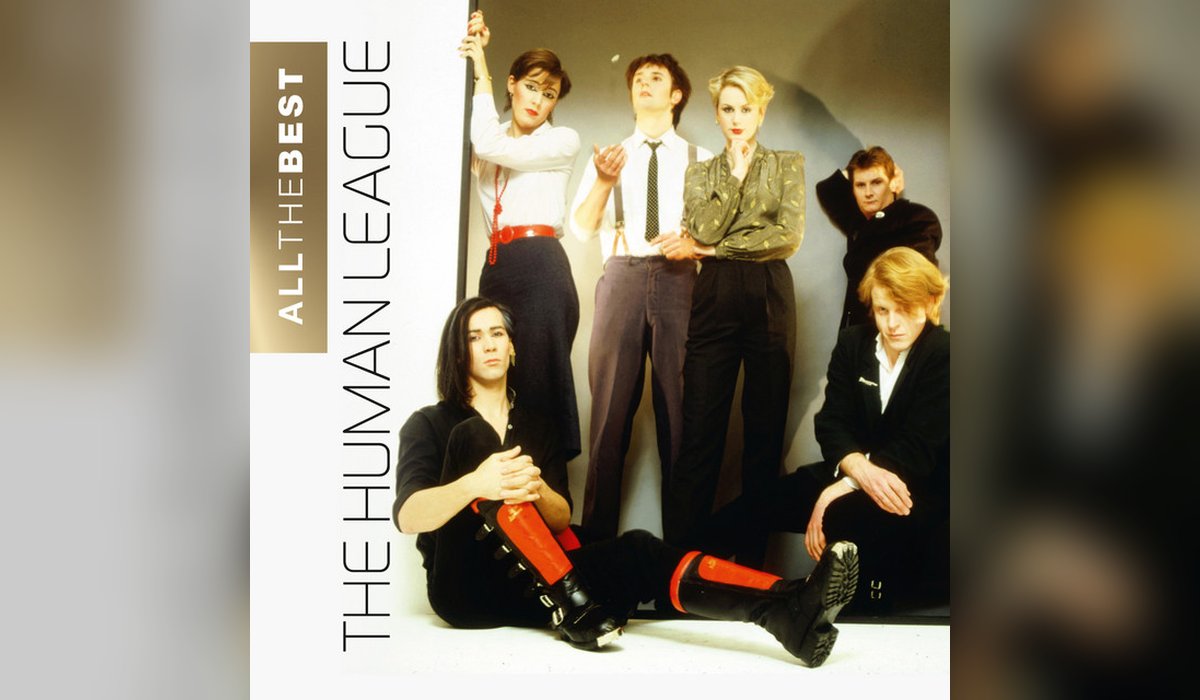
On stage the argument is staging. He takes one side, she takes the other, and the crowd sings both parts, including the threat in the last chorus that club audiences treat as romance. The lyric is a man who will not let go. Rushent’s mix is clean and bright: dry drums, stacked synths, vocal up front. That polish is what sells the menace. Sulley’s vocal, still green but precise, stops the record from being only Oakey’s monologue. She sounds finished with the conversation. He is still making his case.
What remains is a hit its author filed as a mistake. Dare holds tighter tracks by Oakey’s measure, yet this one carried the story, the two voices, the poster campaign and the Christmas chart. The filler he buried is the song 1981 remembers. The cocktail bar stayed in the lyric because it was a job, not a metaphor. Her verse still decides the single. The man who did not want it released still has to sing the question on every tour.