
Tony Allen, Zdar strings, seven-minute loop
La Ritournelle opens on repeating piano figures that change voicing each cycle, then settles into a long mid-tempo groove. Tony Allen’s drums stay patient; strings enter behind the beat without a hard drop. Sébastien Tellier stretches the piece across roughly seven minutes. The hook is the loop itself, not a shouted chorus.
He has said the piano figure arrived almost by chance early one morning (Les Inrockuptibles, 2020). Written in Paris, the track became a fixed loop that holds mood without a plot summary. Against harder, more metallic French electronic trends of the time, Tellier kept it soft and acoustic-leaning: fashion shows, late radio, films, and cafés all found room for it. Philippe Zdar (Cassius) shaped the string arrangement around the repetition. Vocals arrive late, slightly back in the mix, then fade.
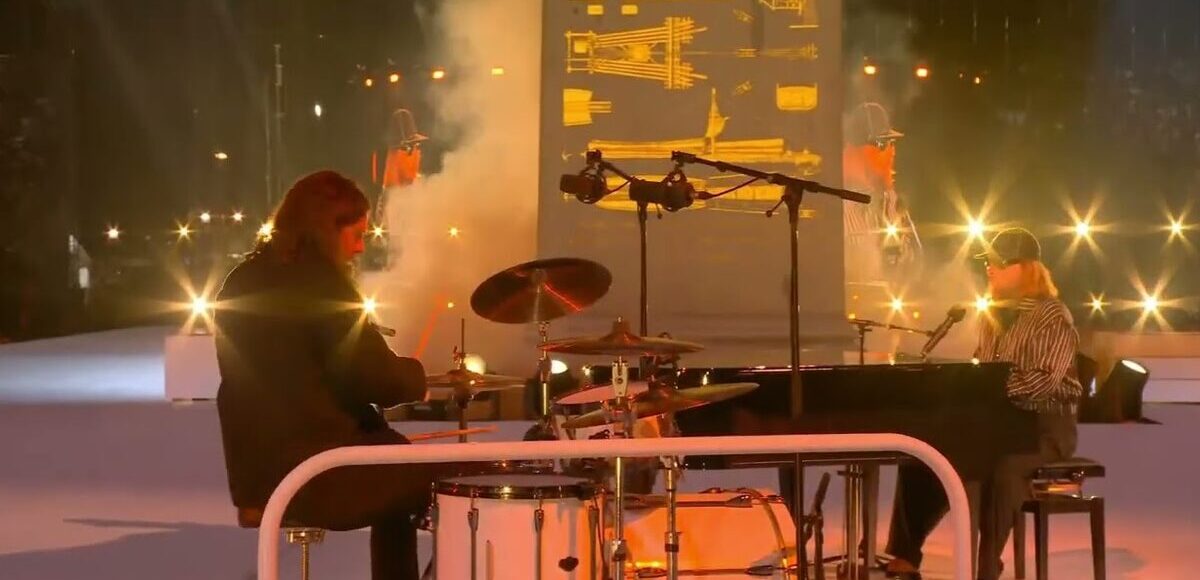
Tellier often describes music that floats; this is the clearest studio proof. No lyric lecture required. Patience is the design. Listeners still file it under long evening headphones and slow taxi rides. Eurovision-era Tellier (blue hand, dark glasses) was louder theater. La Ritournelle is quieter and, for many, more defining.
In the early morning haze, my fingers just landed there almost by chance.
(Sébastien Tellier, Les Inrockuptibles, 2020)
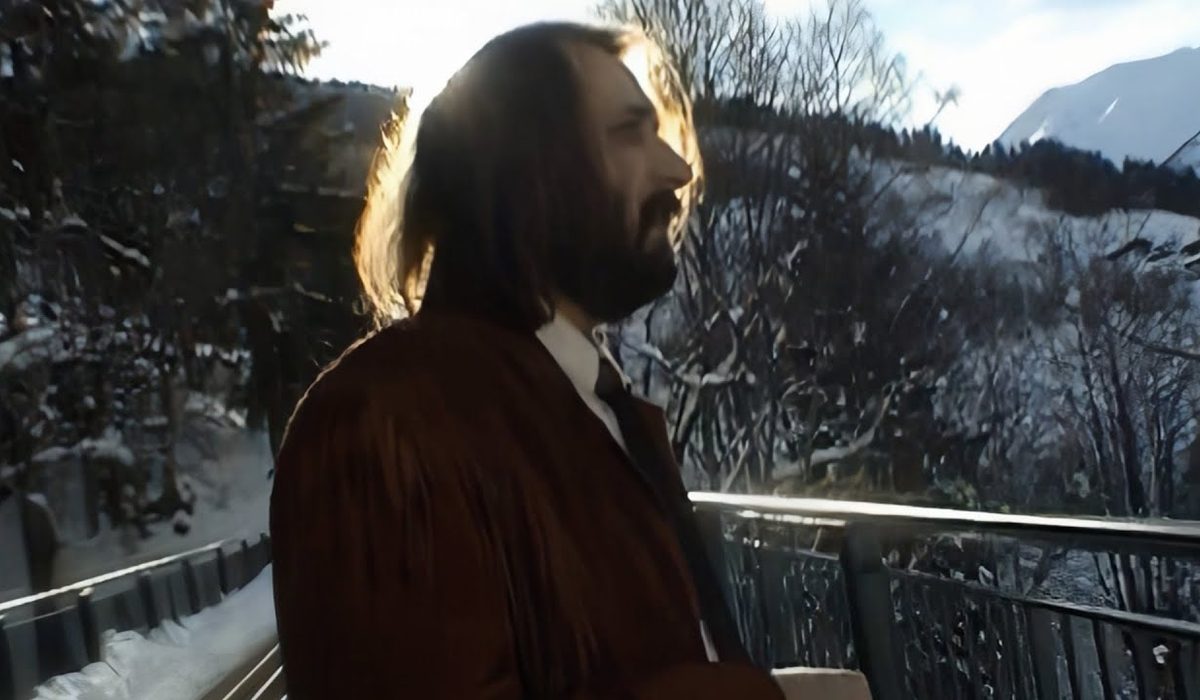
Decades on, the track still occupies a fixed slot in French electronic-adjacent playlists and filmish compilations. Credits you can name: Allen on drums, Zdar on string vision, Tellier on the loop. That roster is why producers still cite it when they want organic pulse under lush harmony.
Not his loudest moment. Among his most alive. The ritournelle keeps turning because the arrangement never panics.
Record-collector talk around La Ritournelle usually lands on three credits: Tellier’s piano loop, Allen’s drum feel, Zdar’s string lift. That trio is why the track sits in both electronic and acoustic playlists without complaint. Fashion weeks used its patience as runway timing; film supervisors used it when dialogue needed air underneath. Café systems loved the length because seven minutes of stable mood beats a three-minute jump cut.
Tellier’s public persona (mystic costumes, Eurovision theater) can distract from how plain the writing method was: find a cycle, trust repetition, add voice late. Les Inrockuptibles caught him admitting the piano idea arrived almost by accident at dawn. Accidental seeds still need arrangement. The finished record is a deliberate loop with strings and drums locked in, not a diary dump. That is why it outlasted louder French electronic seasons and still turns up when someone asks for Paris 2000s softness with a pulse.