
Ziggy closer, June 1972: acoustic start, strings, you’re not alone
A lone acoustic guitar and a tired vocal open the last track. Then Mick Ronson’s string arrangement lifts the room, the band enters, and David Bowie turns the lyric toward the stalls: you’re not alone. Rock ‘n’ Roll Suicide closes The Rise and Fall of Ziggy Stardust and the Spiders from Mars (RCA, 16 June 1972). After the rush of Suffragette City, the album needs a farewell that still feels like rock, not a fade-out speech. The acoustic intro is almost folk-simple before the orchestration arrives, a deliberate drop after the glam sprint that precedes it. Basics landed on 4 February 1972 at Trident with Ken Scott, the same day the Spiders cut the album’s radio door and its street sprint.
Bowie wrote a sequence any burned-out star could sing: time takes a cigarette, the wall is calling, too young to lose it, too old to lose that. The chorus does not moralize. It offers a hand. Ronson’s strings swell without burying the voice, the same discipline he brought to the rest of the Spiders records. The drama sits in the arrangement more than in studio tricks: close vocal, rising orchestra, then the shout that invites the room to answer. Bootlegs from earlier 1973 dates already show audiences catching the you’re-not-alone lines before Hammersmith made them historic. On record the song works as theatre without needing a plot summary. You feel the character empty the tank and still refuse to leave the crowd cold.
On 3 July 1973 at London’s Hammersmith Odeon, Bowie ended the Ziggy show with this song and then told the crowd it was the last show he would ever do, retiring the character on the spot. The official concert film, later issued in 4K on his channel, freezes that moment: arms out, voice cracked open, band holding the last chord while the myth ends in public. Soundtrack placements and tribute concerts keep choosing this closer when they need Ziggy’s ending without explaining the plot. Later tours still treated the track as a finale cue, proof that the solidarity line outlived the costume.
Of all the shows on this tour, this particular show will remain with us the longest, because not only is it the last show of the tour, but it’s the last show that we’ll ever do.
(David Bowie, Hammersmith Odeon, 3 July 1973)
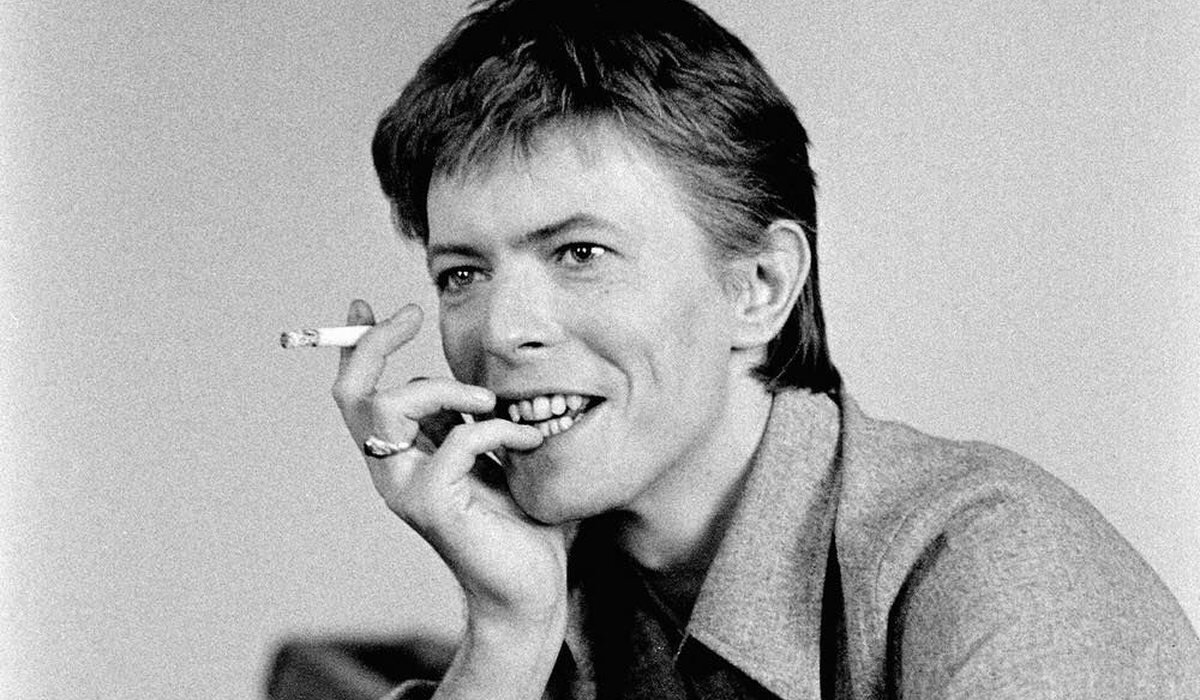
Radio rarely needed Rock ‘n’ Roll Suicide as a single; the album sequence did the work. Fans who only know Ziggy through hits still recognize the you’re-not-alone shout from documentaries and live clips. Put it on after Suffragette City and the record’s arc snaps shut: speed, then solidarity. The cigarette line still sounds like a stage door at midnight, not a metaphor floating free of the room. Press play for the acoustic hush alone, then stay for the hand Bowie holds out when the character is already gone.