Electric Lady, a clavinet, and a riff promised to Jeff Beck
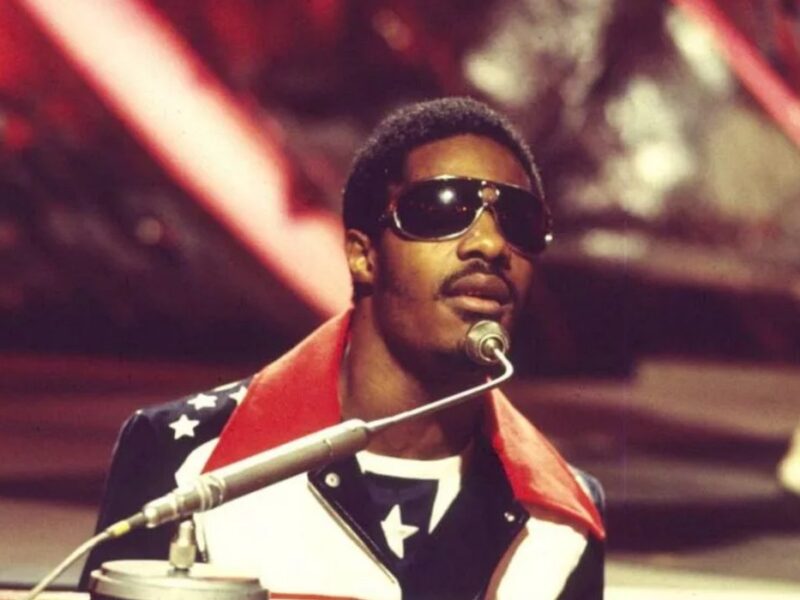
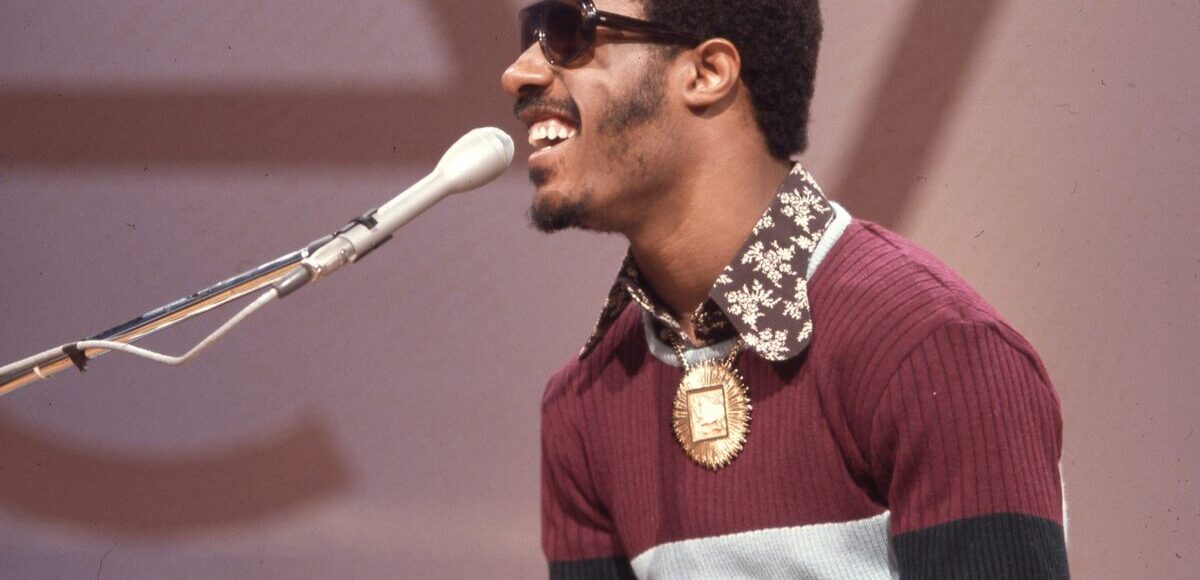
In the summer of 1972 Stevie Wonder was at Electric Lady Studios in New York, making the album that became Talking Book, with Robert Margouleff and Malcolm Cecil running the gear around him. Wonder was playing almost everything himself by then. He still wanted a guitarist. Margouleff and Cecil brought in Jeff Beck, who cut parts for Lookin’ for Another Pure Love. The trade, as Beck understood it, was a new song of his own.
Beck has told the drum-kit version: he was messing at the kit, Wonder walked in and told him not to stop, and the clavinet figure came out of that room. Wonder’s account to the Detroit Free Press is plainer. He wrote Superstition with Beck in mind, and he told Motown so. Berry Gordy heard a hit that would carry the album and wanted Wonder’s record out first. Beck, Bogert & Appice did not release their version until March 1973. By then Wonder was already at number one.
Talking Book arrived on 27 October 1972 on Tamla. Superstition was the single, with You’ve Got It Bad Girl on the flip. Cecil later described the tracking order: Wonder laid the drums with the song only in his head, then the Moog bass, then the Hohner Clavinet. Wonder is credited for vocal, drums, clavinet and Moog bass. Margouleff and Cecil ran the clavinet through guitar pedals, a Mu-Tron and a wah, so the riff barked instead of tinkling. Trumpet is Steve Madaio. Tenor sax is Trevor Lawrence. Wonder called the Clavinet, in so many words, funky, dirty and stinky. On this track he finally used it that way, not as a novelty keyboard.
The single topped the Billboard Hot 100 and the soul chart in January 1973. It is the track that made the new Wonder, the one who had torn up the old Motown contract and come back producing himself, into a pop fact. Beck did not leave empty-handed. Wonder gave him Cause We’ve Ended as Lovers, which became the emotional centre of Blow by Blow in 1975.
I told Motown, ‘Listen, I did this for Jeff Beck. He likes the song.’
(Stevie Wonder, Detroit Free Press)
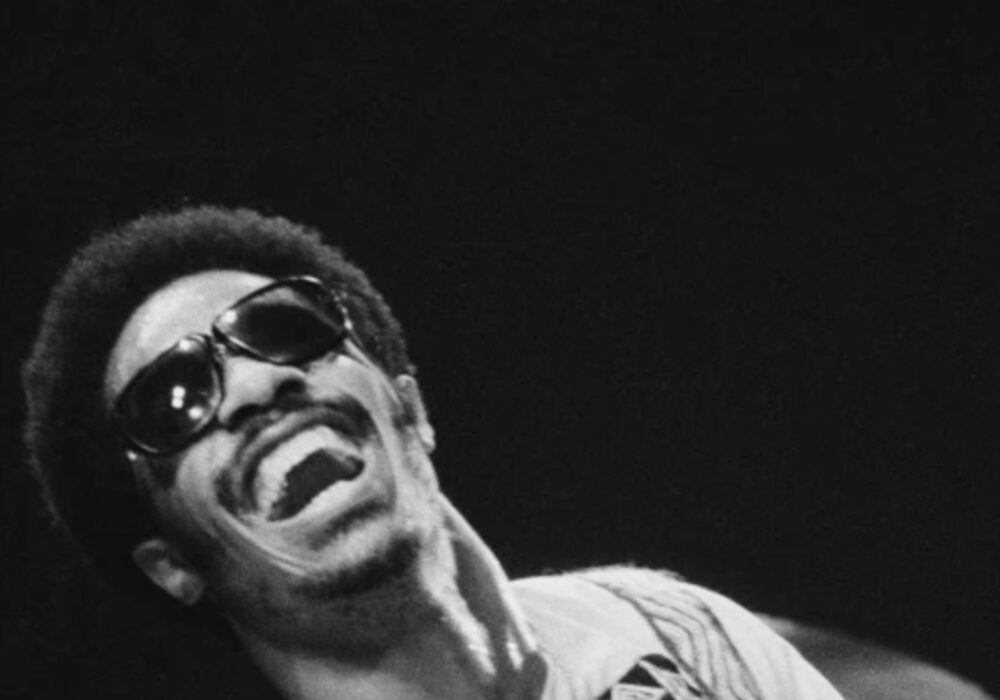
The record to play is the 1972 album cut, about four and a half minutes, not a later compilation edit. The clavinet states the riff before the voice does. The horns answer in short stabs. The drums are dry and close. Nothing on it is decorative. When the vocal enters, it is already arguing with a groove that has made its point.
Beck’s own version is heavier and later, and it is a different song in the way a cover always is. Wonder’s is the one that sat at number one, and the one that still explains why a keyboard built for baroque recitals ended up speaking funk. He had promised the riff away. Motown made him keep it. The single is what that argument sounds like.