Backup singers first. The Rhodes follows.
The first voice on You Are the Sunshine of My Life is not Stevie Wonder. Jim Gilstrap sings the opening two lines, Lani Groves the next two, and only then does Wonder come in, Fender Rhodes already moving underneath. Gloria Barley joins them on the backing stack. It is an odd door for a love song, and it is the thing you hear before any chart number.
The track opens Talking Book, out in the US on 27 October 1972 on Tamla. Wonder wrote it, produced it, and played Rhodes and drums. Scott Edwards played electric bass, Daniel Ben Zebulon congas. Malcolm Cecil and Robert Margouleff, the TONTO synthesizer pair, worked as associate producers and engineers, with sessions spread across Electric Lady in New York, Crystal Sound, the Record Plant, and AIR. Edwards later said Wonder had the shape worked out alone, sat the band down, played it through, and booked the studio the same night because the room already felt like a hit.
Tamla issued the single on 10 March 1973, with Tuesday Heartbreak on the B-side. The 45 adds horns the album mix does not carry in the same way. It reached No. 1 on the Billboard Hot 100 for the week of 19 May 1973, and it was Wonder’s first No. 1 on the Easy Listening chart. In Britain it spent two weeks at No. 7 that June. At the 1974 Grammys it won Best Male Pop Vocal Performance, with nominations for Record of the Year and Song of the Year.
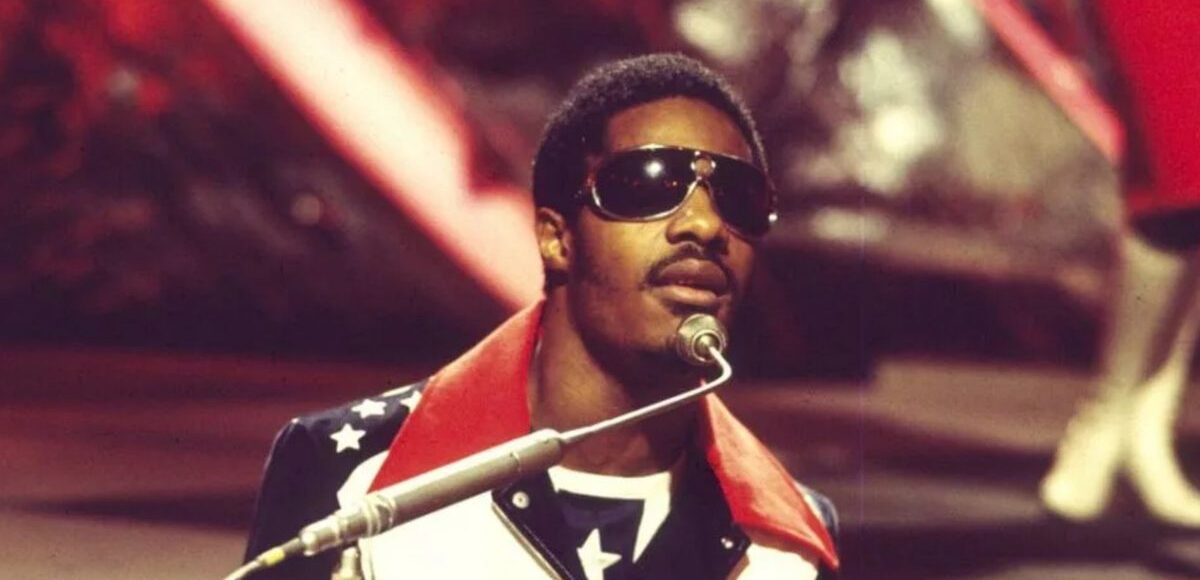
Wonder was 22 when the single hit No. 1, already past the Motown apprentice years and into the albums he controlled himself. Talking Book is where the love songs and the funk songs share a method: he plays most of the instruments, Cecil and Margouleff run the synthesizer rig, and the guests are there for one color. Here that color is Edwards’s bass and Zebulon’s congas. The horns arrive on the single because 1973 radio still liked a bright top. The album cut is drier, which is why Gilstrap’s entrance feels close, like a voice in the next room rather than a choir parked on top of the mix.
He had been working with the structure by himself. But once he had all of us together, he just started playing it. And then we all joined in and we all could feel that the vibe and the way the tune was going, it was a hit. He was so excited, he said, tonight we’re going to the studio and record it.
(Scott Edwards, Songfacts)
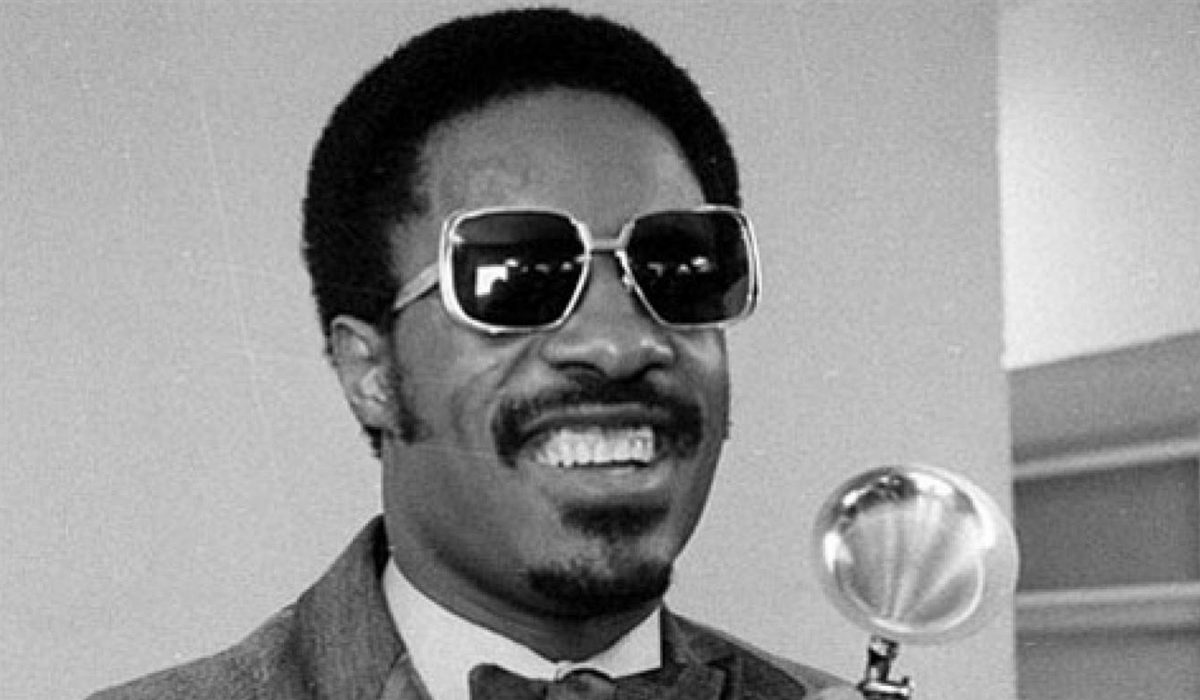
The arrangement stays light on purpose. Rhodes chords, a round bass, congas against Wonder’s drums, the backing voices dropping into a soft pattern once he takes the melody. After the clavinet attack of Superstition, the previous single from the same album, this one sells ease. That contrast is the point of Talking Book: one record, two ways of being a pop No. 1.
Covers arrived fast, Frank Sinatra among them, but the take that matters is the 1972 recording. Play the album version, not a later hits sleeve. Gilstrap still opens the door. Wonder still waits two lines. The Rhodes still sounds like someone who had finished the song in his head before the band sat down.