
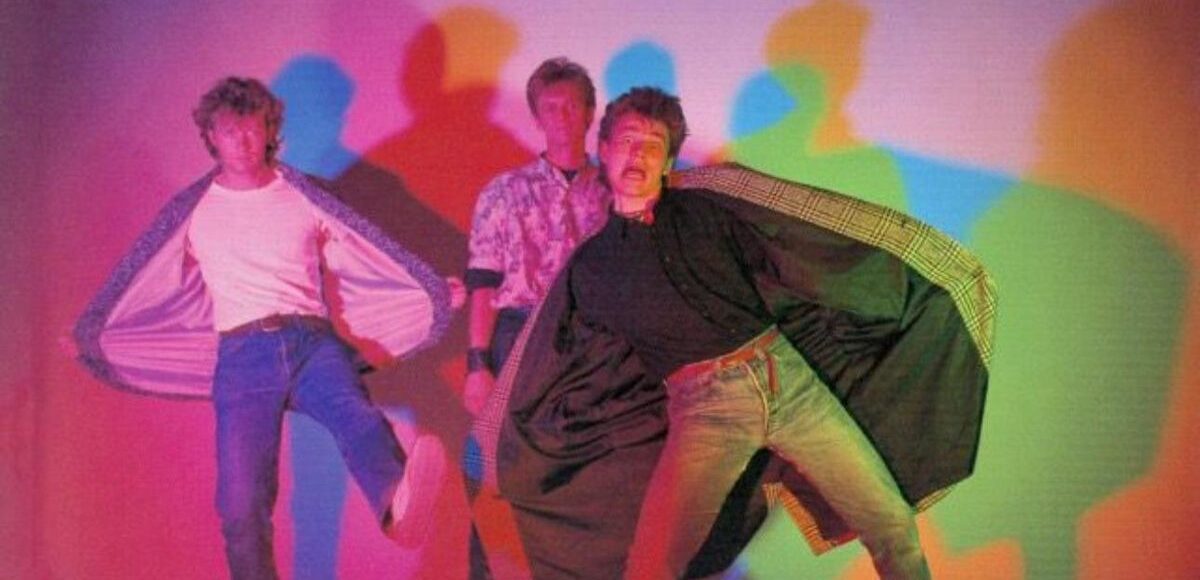
Drum machine and Furuholmen’s locked riff
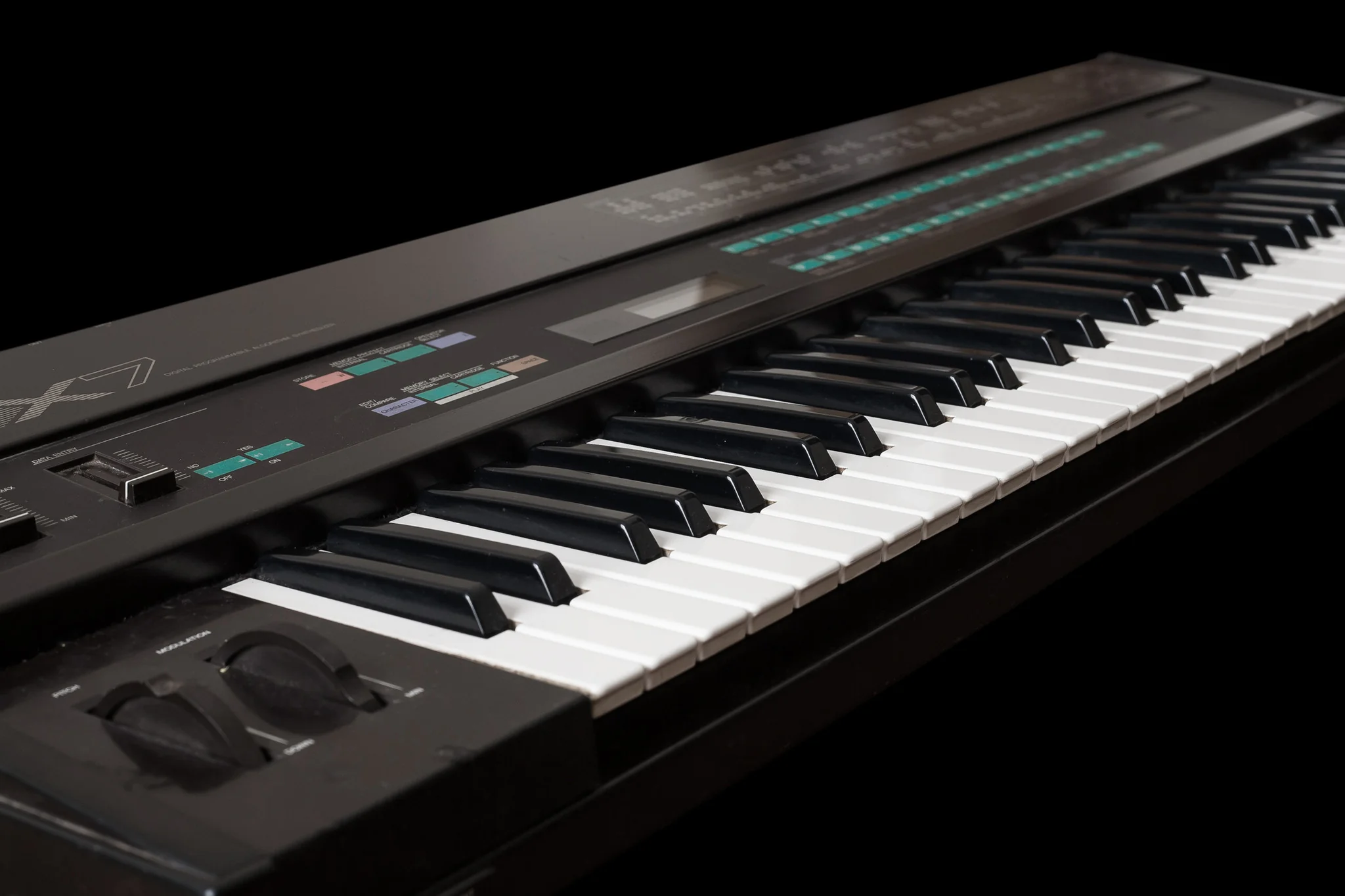
A drum machine and Magne Furuholmen’s keyboard riff start at once, locked to a bright mid-tempo, and Morten Harket’s voice climbs into a falsetto that sits on top of the mix like a lead instrument.
a-ha did not get Take On Me right the first time. Pål Waaktaar and Furuholmen had the song; a 1984 version produced by Tony Mansfield barely charted. Warner Bros. let them cut it again. Alan Tarney produced the take that stuck, for Hunting High and Low, released in 1985. That single reached No. 2 in Britain and No. 1 on the Billboard Hot 100. Harket’s chorus note sounds engineered; it is just his voice, tracked dry enough to stay clear. The video, directed by Steve Barron and rotoscoped by Michael Patterson and Candace Reckinger, moves a pencil-drawn girl from a comic into a cafe, partly shot at Kim’s Cafe in London. MTV ran it hard. You cannot separate the sketch from the falsetto now. They landed together on the third commercial version of the song.
Harket has said the high note was not a stunt. The melody went there, and he followed. Tarney’s production is glossy and tight: bouncing bass synth, polite guitars, vocal huge in the centre. Furuholmen’s keyboard figure is still the part amateurs miss by a finger. Under the famous hook, Waaktaar’s lyric is a direct plea to be taken seriously by someone who is leaving. Radio kept the coat of the arrangement. The plea is why the record still works with the video muted.
The high note was not a stunt. The melody went there, and so did I.
(Morten Harket, interview)
Live, the test is whether he still hits the climb. He does, night after night, and the room waits for that bar. The pencil video has been copied until the copies look tired. The record has not. It is 1985 studio craft: three Norwegians working in London, a producer who knew AOR radio, a singer whose range was documented on tape. Mansfield’s cut is a footnote. Tarney’s is the master.
What remains is a hard figure made to sound easy. The riff is simple until you play it. The chorus smiles until the last bar, when the voice has to land. a-ha spent years being defined by Barron’s clip: cafe, comic panels, a hand through graphite. Under that, the song is about being taken on and not left behind. The synths stay bright; the lyric stays needy. That split is why a 1985 single still stops people in kitchens.