
Camden, 2 Tone adjacent, and seven men who treated ska as daily work
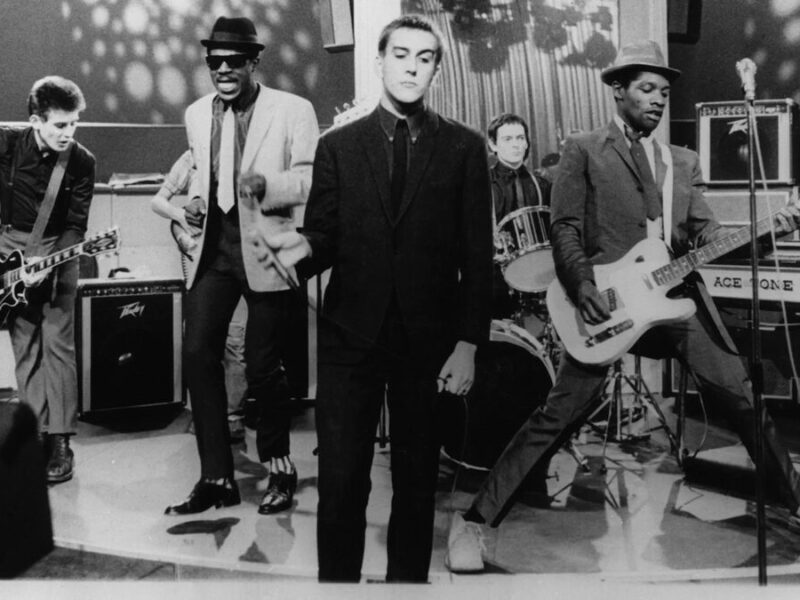
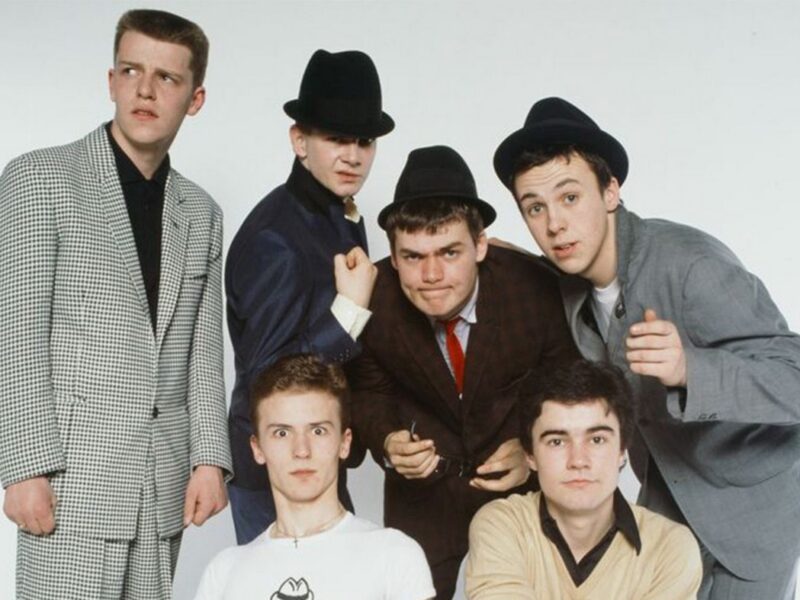
Madness formed in Camden Town in the late 1970s around Mike Barson, Chris Foreman, and Lee Thompson, with Graham « Suggs » McPherson soon out front and the full seven-piece locking in: Mark Bedford on bass, Daniel Woodgate on drums, Cathal « Chas Smash » Smyth on vocals and trumpet cues. They borrowed the energy of Jamaican ska and the sharp suits of the UK revival, then wrote songs about council flats, school corridors, and odd jobs. The debut single « The Prince », a tribute to Prince Buster issued on 2 Tone in 1979, put them on national television. One Step Beyond… followed the same year on Stiff Records and opened with the title chant that still starts their shows.
The early run was relentless. « One Step Beyond », « My Girl », « Night Boat to Cairo », then Absolutely with « Baggy Trousers » and « Embarrassment ». Barson’s piano riffs were short and sticky. Foreman’s guitar stayed dry. Thompson’s sax punched the chorus. Suggs sang in a London register that never pretended to be Kingston. Chas Smash hyped the stage like a market caller. The nutty-boy comedy was real, but the rhythm section played as if the joke depended on the backbeat landing on time.
7 and The Rise & Fall pushed them from club ska toward broader pop storytelling. « House of Fun » gave them a UK number one. « Our House » crossed to the United States and spelled out a whole street in three minutes: Mum, Dad, middle kid, kettle on. Keep Moving and Mad Not Mad tracked lineup strain; Barson left, returned, and the band paused after the mid-1980s. The records still sold because the choruses were built for terraces and school discos alike.
Videos mattered. Directors let them clown in uniform, but the camera also caught how tightly the seven moved. Live they still pack festivals with the same set architecture: start with the chant, run the early singles hard, drop « It Must Be Love » when the crowd needs a sway, finish before nostalgia turns soft.
Stiff Records gave them room to be both comic and precise. The label’s punk-era hustle fitted a band that treated the single as a weekly job: write, record, video, Top of the Pops, next. « Cardiac Arrest » and « Shut Up » showed the darker Camden jokes; « It Must Be Love », first a Labi Siffre cover habit, became their soft centre without dropping the ska feet.
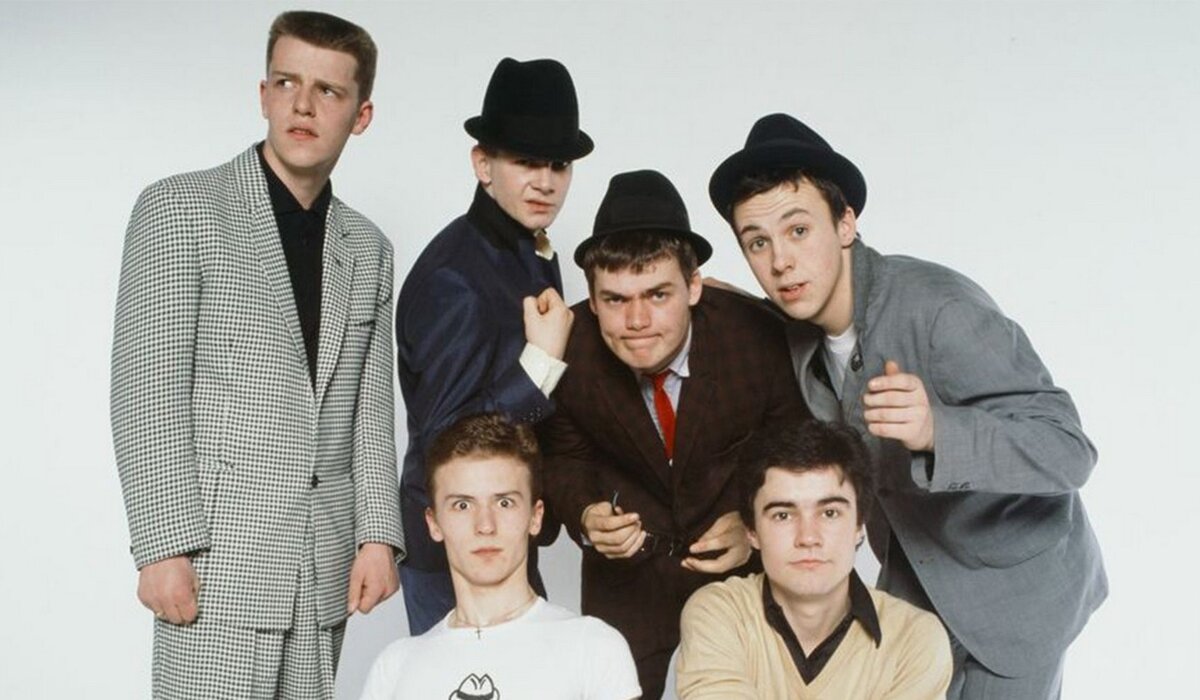
Reunions from the 1990s onward were not museum pieces. Wonderful, The Liberty of Norton Folgate, and Oui Oui Si Si Ja Ja Da Da added new chapters without erasing the Stiff years. Norton Folgate especially treated London history as lyric material, the same local eye that once wrote about baggy trousers now walking older streets.
What lasts is the craft under the comedy. Ska pulse, music-hall humour, and singles timed for the chart week. Put on « One Step Beyond » or « Our House » and the feet still move before the grin arrives. Madness made Camden ska a UK fact, then kept the beat funny without letting it slip.