




Side-long stories versus three-minute hits: which shape actually holds the memory of a decade?
Pop history runs on two clocks. One is the single: a song built for radio, jukebox, club or playlist, heard in under five minutes and repeated until it belongs to everyone. The other is the album — especially the concept album — where sequence, theme and packaging ask you to listen as a whole. Both forms have crowned eras. The question is which one better captures how a time felt.
Singles argue for speed and democracy. From Motown 45s to disco 12-inches, punk one-offs and today’s streaming hits, a great single can define a summer without asking for an hour of attention. Charts, dancefloors and shared memory often run on that format. When people say “the song of 1984” or “the track of lockdown,” they usually mean a single, not a side-long suite.
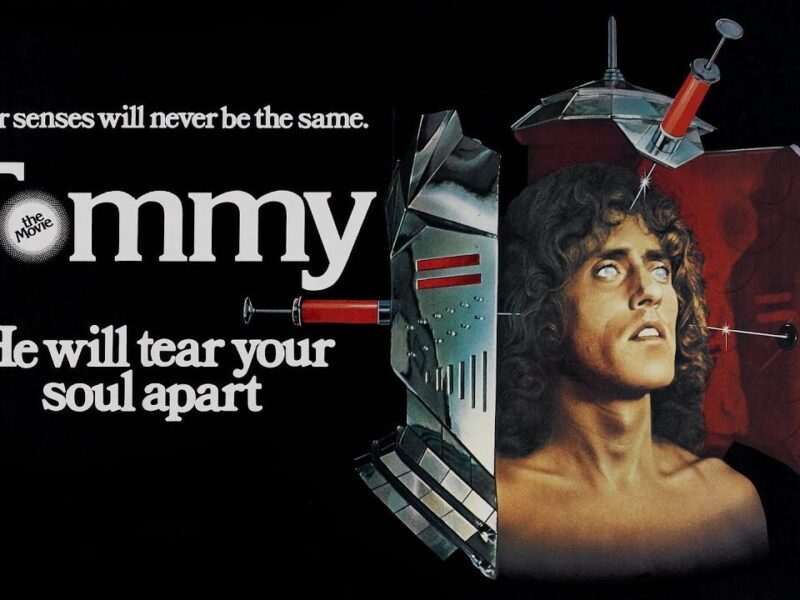
Concept albums argue for depth and authorship. The Dark Side of the Moon, Tommy, The Wall, American Idiot or Lemonade treat the LP as a narrative machine: motifs return, lyrics connect, artwork matters. Fans of that camp say an era’s anxieties and ambitions need more than three minutes — they need an arc you can sit with.
The friction is practical as well as aesthetic. Streaming fragments albums into tracks; vinyl and headphone rituals pull the other way. Some artists still build worlds across twelve songs; others drop singles for months and assemble an album later. Listeners split between those who want the hit now and those who want the story complete.
What captures an era better for you: the single that everyone knew by heart, or the concept album that only made sense played in order? Argue your side below with one example that proved it.

Yuna S. | 10 September 2026
|
Pet Sounds feels like one breath. You can extract Wouldn’t It Be Nice, but the room changes when you play the whole thing.
Ian Mc. | 11 September 2026
|
Charts run on singles. Memory runs on albums you lived inside for a month. Different scoreboards.
Nina K. | 18 September 2026
|
ngl concept albums scare me a bit. if track 3 is filler I bounce. singles don’t waste my time
Chris O. | 20 September 2026
|
As a teacher I start kids on singles, then show them how a side of vinyl can feel like a short film. Both skills.
Kai M. | 22 September 2026
|
Tommy made me care about narrative in rock. Then radio singles reminded me a chorus can be enough.
Jamal W. | 24 September 2026
|
In hip-hop the “album as statement” still matters. Singles feed the algorithm; albums feed the lore.
Alex P. | 2 October 2026
|
I’ll take a perfect 3-minute single over a bloated side-long suite any Tuesday. On Sundays, give me the suite.
Omar F. | 3 October 2026
|
Most concept albums are just a track order with a press release. When it works though, wow.
Tom H. | 7 October 2026
|
Dark Side as a whole still hits different than any single pulled from it. Context is half the emotion.
Claire D. | 9 October 2026
|
Singles taught me economy. Concept albums taught me patience. I need both depending on the commute.
Ben | 10 October 2026
|
I cried to the end of Soft Bulletin in order. Album people get it.
Elena N. | 11 October 2026
|
Side-long tracks can be magic. They can also be homework. Singles more honest.
Marie-Claire | 11 October 2026
|
I don’t have patience anymore. Hit me with the chorus and go. Singles.
Lina | 12 October 2026
|
Streaming killed albums. Fighting back means defending the sequence. I’m album.
Yuki | 13 October 2026
|
Pet Sounds is the receipt. Albums can invent a world singles can’t.
Fatima | 13 October 2026
|
Club culture lives on singles and remixes. Album fans forget the floor.
Maya | 13 October 2026
|
OK Computer felt like a place. That’s what eras need sometimes.
Noah | 13 October 2026
|
The Wall scared me at 14. Still does. Album-concept forever.
Hélène | 13 October 2026
|
Disco 12-inches taught me more about a decade than any ‘story’ LP.
Jacques | 14 October 2026
|
American Idiot was my gateway. Then I went back to short punk singles. Both matter, singles edge.
Diego | 14 October 2026
|
Three minutes of perfection > forty minutes of ambition. Controversial, standing by it.
Emma | 14 October 2026
|
If the song doesn’t work alone, the concept won’t save it. Singles discipline.
Aria | 14 October 2026
|
Teachers made us analyse concept albums. Real life was the chart single. Guess which stuck.
Louise | 14 October 2026
|
My grandma hummed Motown hits, not side-long concepts. Memory = singles.
Théo | 14 October 2026
|
Tommy made me care about rock opera before I knew what that meant. Albums.
Rita | 15 October 2026
|
Concept albums are often excuses for filler. There, I said it.
Paulo | 15 October 2026
|
Vinyl ritual people will hate this but: I skip. Singles wins in real life.
François | 15 October 2026
|
When people say ‘the song of lockdown’ they never mean a 20-minute suite.
Sofi | 15 October 2026
|
I’m a playlist kid and even I admit Lemonade only works in order.
Anne | 15 October 2026
|
Radio raised me on 45s. Singles built my brain. Not ashamed.
Mike B. | 15 October 2026
|
Dark Side of the Moon on headphones at 2am. That’s an era. Album camp.
Sara | 16 October 2026
|
Singles. A great three minutes can own a whole summer. Albums ask too much sometimes.