




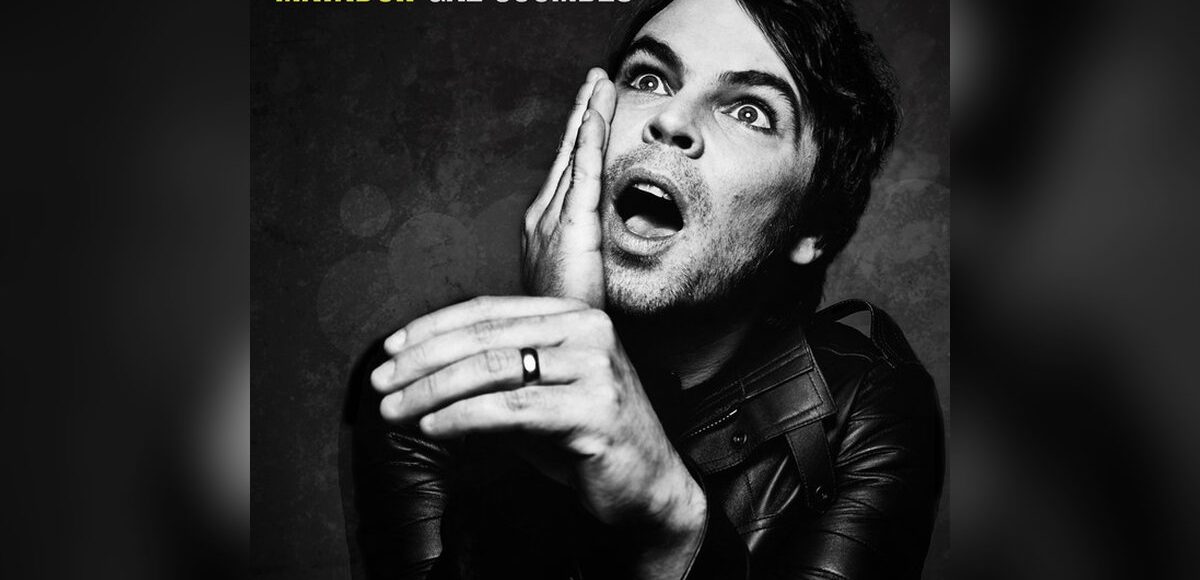
Wheatley home studio, 2015
In January 2015, Matador came out of a home studio in Wheatley. It is Gaz Coombes’s second solo album, and the arrangements are not scaled down. Coombes, the lead voice of Supergrass, produced it himself for Hot Fruit Recordings. The arrangements are big: choirs, strings, analogue synths, songs laid out like two vinyl sides. Loz Colbert of Ride played drums. His brother Charly appears on “Buffalo”. The rest is Coombes, keeping the accidents from the room, then Courtyard Studios when talking to himself got too loud.
“Buffalo” opens on an electronic pulse and detached piano, then the vocal comes in hard. “20/20” opens the arrangement out. “Detroit” grew from a guitar loop and a short iPhone recording of an orchestra caught behind a broadcasting-house door. He looped about ten seconds at home and took the chords from that. “The Girl Who Fell to Earth” is quieter. “Needle’s Eye” is where the record turns over. The title track lasts barely ninety seconds and still closes at full size.
The album is large without showing off: indie-rock volume, art-pop space around the vocal. Coombes keeps the melodic sense from Supergrass and points it at bigger rooms. UK peak at eighteen, a Mercury Prize nomination. Under the gloss, the home-studio takes are still easy to hear.
I was in a famous broadcasting house in London, and this orchestra was playing, so I opened the door, and just recorded half a minute of it on my iPhone. What they were playing was incredible. And then I got home and looped about ten seconds of it, which led to the chords of Detroit.
(Gaz Coombes, Vulture, 2016)
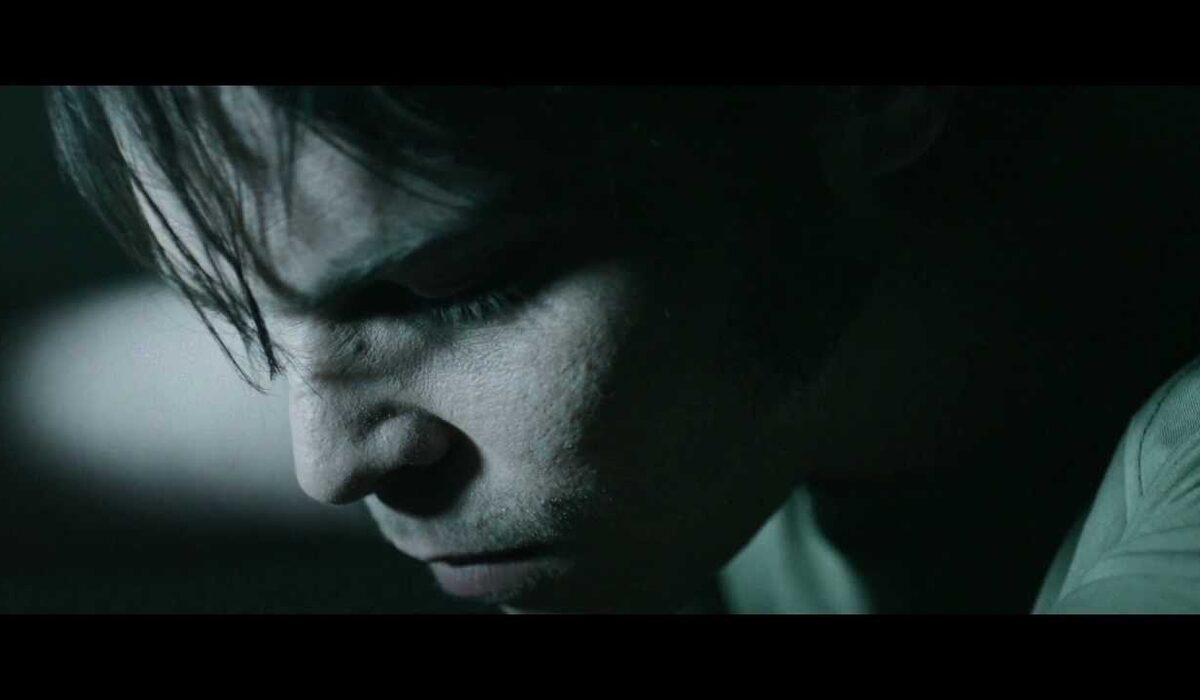
Released on 26 January 2015 via Caroline International, Matador is Coombes arranging the fact of working alone: stacked vocals, dry drums, melodies that leave Oasis nostalgia alone. Supergrass is the earlier group. On this record he writes at home, keeps the hooks, and leaves the old jokey tone behind.


Olivier | 10 October 2026
|
Forgot how dark the middle of Matador gets. Thanks for the reminder. Might be recency bias but I do not care today. Just saying.
Fatima | 11 October 2026
|
The cover alone put me off as a kid. Then Matador ate my whole summer. Might be recency bias but I do not care today. I am biased and fine with it.
Nina Bass | 12 October 2026
|
Gateway album for me. Everything after Matador made more sense. Might be recency bias but I do not care today.
Ray | 12 October 2026
|
I like the singles fine. The deep cuts on Matador are why I stay. Might be recency bias but I do not care today.
Amy | 13 October 2026
|
Gaz Coombes really sequenced this one right. Side B still surprises me. Sharing this in the group chat. Expect chaos. More of this please.
Inés | 14 October 2026
|
Forgot how dark the middle of Matador gets. Thanks for the reminder. Coffee got cold while I finished the article. Acceptable.
Tom Riff | 15 October 2026
|
Studio stories like this make Matador feel less like a monument, more like work. I told my coworker and they shrugged. Their loss.
Paulo | 16 October 2026
|
Studio stories like this make Matador feel less like a monument, more like work. Fight me.