From coldwave demos to Dare and a Christmas number one
Martyn Ware and Ian Craig Marsh were computing students at Sheffield Polytechnic in 1977 when they built The Human League around two synthesizers and a drum machine. They found Phil Oakey in a pub: tall, asymmetric haircut, no previous stage experience. Adrian Wright operated slide projections during performances. The early recordings on Bob Last’s Fast Product label were cold and systematic: “Being Boiled” (1978) described silkworm factories over a flat synthesizer melody and Oakey’s unprocessed baritone. It sounded unlike anything on UK radio.
Reproduction (1979) and Travelogue (1980), both on Virgin, extended the approach: European electronic music filtered through Sheffield’s industrial geography, without the disco warmth of Giorgio Moroder or the craft-pop precision of Kraftwerk. The Human League were interested in disconnection, the gap between the machine’s regularity and Oakey’s voice, which never became technically smooth. They played art colleges and supported Siouxsie and the Banshees; they fitted the post-punk moment without being a guitar band.
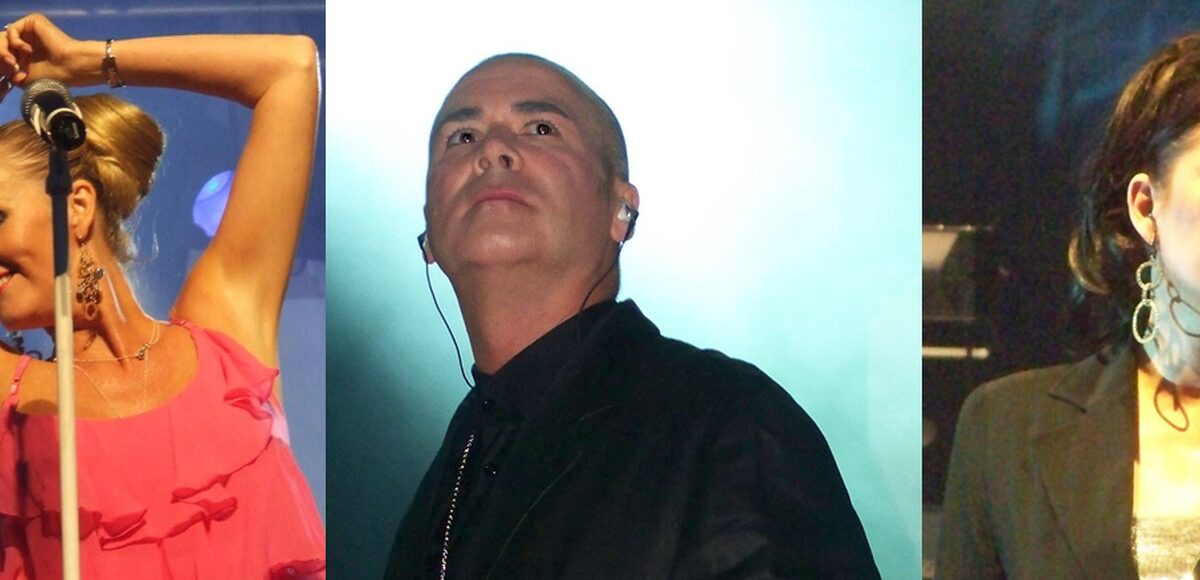
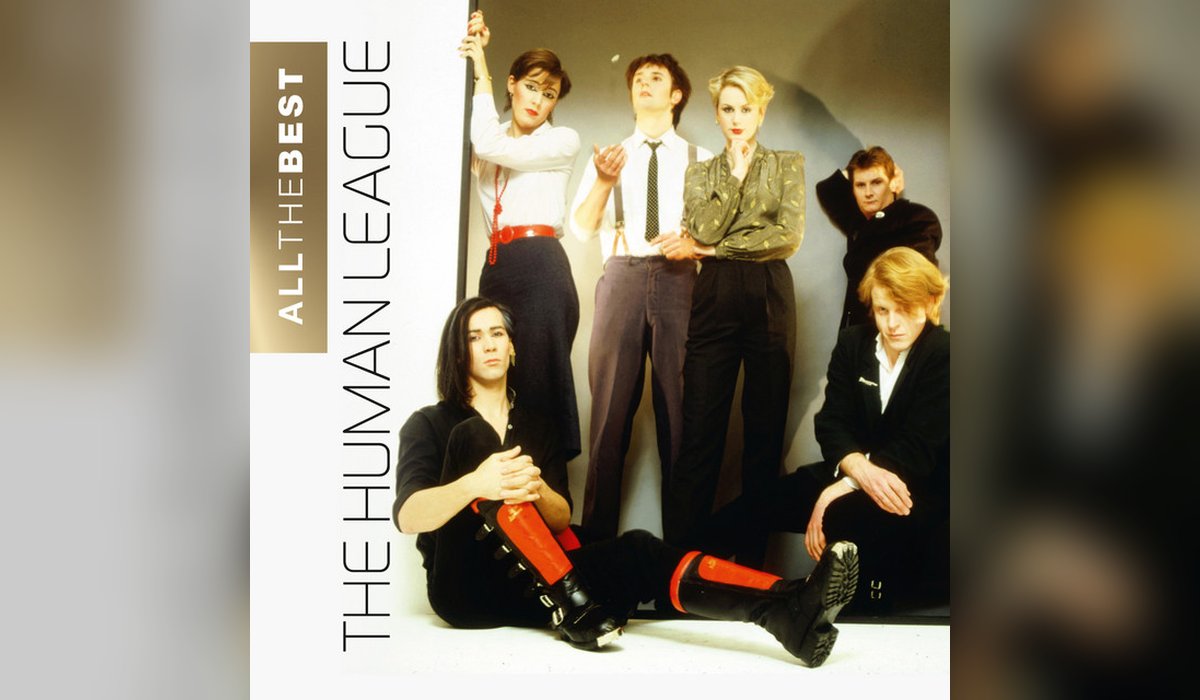
In November 1980, Ware and Marsh left to form Heaven 17, taking the group’s existing electronic direction with them. Oakey kept the name with Virgin’s backing, kept Adrian Wright, and hired Ian Burden on bass synthesizer and Jo Callis as a guitarist and songwriter. He also recruited Joanne Catherall and Susan Ann Sulley, both seventeen, from the Crazy Daisy nightclub in Sheffield, where they were dancing. Neither had sung professionally before. Oakey rehearsed them for months.
Dare was recorded at Genetic Studios in Berkshire with producer Martin Rushent in 1981 and released in October. Rushent brought tighter LinnDrum programming and a pop instinct that the early Human League albums had kept at arm’s length. “The Sound of the Crowd,” “Love Action (I Believe in Love),” and “Open Your Heart” built the UK chart run through the summer. “Don’t You Want Me,” a call-and-response between Oakey and Sulley, a factory worker and an actress on the verge of a breakup, was the final track on the album and not expected to be the lead single. It went to UK number one on Christmas Day 1981 and later topped the Billboard Hot 100 in the summer of 1982. The haircut, the two girls, the Linn drum, and the narrative video became inseparable from the image of early-eighties British pop.
Fascination! (1983) and Hysteria (1984) continued the singles run; “Mirror Man” and “Keep Feeling (Fascination)” built the US audience. Crash (1986), recorded in Minneapolis with Jimmy Jam and Terry Lewis, who were simultaneously working with Janet Jackson, gave them “Human,” another US number one. The R&B production polish was a deliberate American pivot that worked commercially but slightly dislodged the band from their post-punk credibility base.
Romantic? (1990) arrived as the initial synthpop moment had passed. Octopus (1995), Secrets (2001), and Credo (2011) followed at longer intervals, finding audiences smaller than Dare’s but consistent. Oakey, Catherall, and Sulley remained the public face across all of these records. Heaven 17, who had produced “Temptation” (1983) and their own strong run of singles, drew occasional comparisons; the split between the two acts remained amicable in public.
The two records that matter most in any discussion of electronic pop’s influence on what followed are Reproduction, for the coldwave template, and Dare, for the proof that it could carry melody and reach a mainstream audience. Depeche Mode, New Order, Yazoo, and Erasure followed Dare’s pop direction more than Reproduction’s. The difference between Oakey’s Human League and Dave Gahan’s Depeche Mode is partly one of theatre: the girls, the haircuts, and the Sheffield origin story gave the Human League a pop narrative that electronic music often lacked.
Synthpop acts that came later in the 1980s often smoothed out the tension between machine and voice that the early Human League records kept deliberately rough. That original roughness, still audible on “Being Boiled” and the Travelogue tracks, is what connects the Fast Product recordings to the industrial music scene and distinguishes the pre-split group from the polished Dare lineup.
Start with Dare: it holds as an album end-to-end and the pop instinct is direct. Add “Being Boiled” and the early Fast Product material for the cold version before the chart machine arrived. Crash shows how far Oakey would travel for another number one. “Don’t You Want Me” remains one of the most precisely engineered UK number ones of the decade: narrative, distinct vocal separation, drum machine patience.