




June 1999: Coxon’s lead vocal, Orbit’s desk, Milky on MTV
The guitar figures start thin and plain, then thicken as the arrangement builds. Graham Coxon sings Coffee & TV in a tired, dry, almost shy voice, quieter than a Britpop shout. The lyric lists a small routine (coffee, television, leaving the house) and talks about getting through a hard stretch. On Blur’s sixth album, 13, released in March 1999 and produced by William Orbit, the track sits among long, bruised songs and it is still one of the tunes you can hum after one listen. Coxon wrote the words; the band finished the arrangement around them. Coxon sings the lead. Albarn steps back from the mic and leaves the vocal to the guitarist.
Orbit keeps Coxon’s guitar dry and forward, with Albarn’s backing vocals and the rhythm section holding a pace that does not speed up. Dave Rowntree’s drums stay plain; Alex James’s bass sits under the chords instead of competing with them. The album cut runs nearly six minutes; the single and radio edits are shorter and keep the same pace. Food / Parlophone issued the single on 28 June 1999 as the second release from 13, after Tender. It peaked at number 11 on the UK Singles Chart. Sales data glitches that week may have cost it a Top 10 slot, The video, rather than the chart place, is what the later prizes cite.
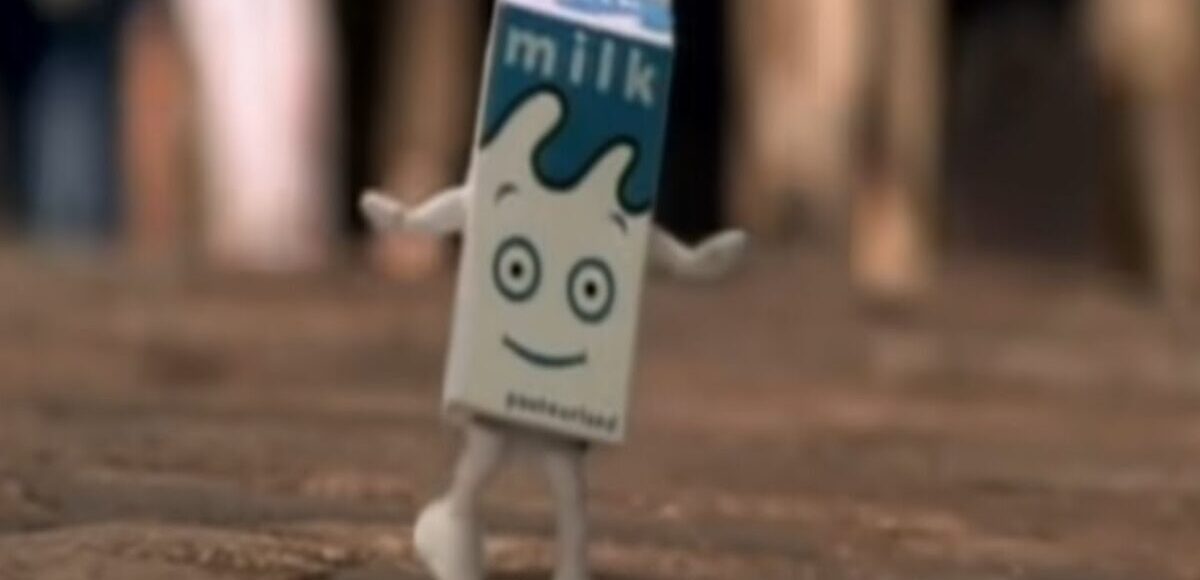
Hammer & Tongs (Garth Jennings and Nick Goldsmith) directed the video: a sentient milk carton named Milky searches London and Bromley for Coxon’s face printed on its side. Awards followed at the NME Awards and MTV Europe; Channel 4 later ranked the clip among the greatest pop videos of all time. Live, Coxon still takes the mic; crowds know the “sociability” line before he finishes it. Beside Orbit’s more abstract cuts on 13, Coxon describes getting through an ordinary day, coffee and television included. The recording leaves space around the vocal, and the chorus comes in without a big studio trick.
The Milky video travelled as far as the chart peak: a cardboard milk carton walks London while Coxon sings about coffee and sociability. Food / Parlophone issued it as the second single from 13, after the longer song Tender. Rowntree and James keep the rhythm unflashy so the vocal can stay conversational.
I got up and I know I didn’t look too good / I didn’t wash my face or comb my hair.
(Graham Coxon, lyric from Coffee & TV, 13, 1999)
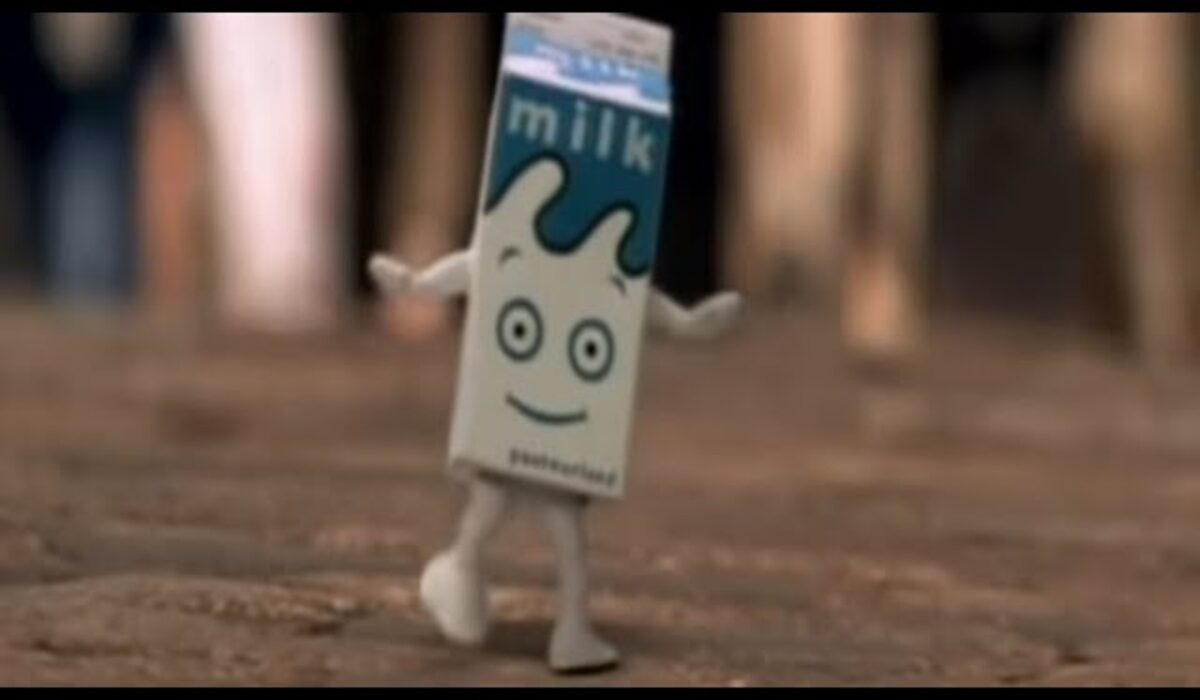
The album mix stays quiet, without a bigger arrangement. Compilations and Best Of packages kept the single in rotation long after the Britpop years were over. The B-sides were remixes (Trade Stylee, Metal Hip Slop, X-Offender, Coyote), The A-side is the one that stayed in the compilations: Coxon’s vocal, Orbit’s mix, and the Milky video.
Compilations and Best Of packages kept the single beside the longer album cut. Coxon still sings it live, and crowds know the sociability line before he finishes it. The guitar entrance stays thin and plain. The vocal stays quiet, tired and almost shy. Channel 4 later ranked the Milky clip among the greatest pop videos, after the NME Awards and MTV Europe prizes.


Inés | 9 October 2026
|
Not my usual lane but Coffee & TV got me. Fair enough.
Alex | 10 October 2026
|
Opened the article, heard the riff in my head before the embed loaded. Classic. Also the comments section on old forums was wild about this.
Aria | 10 October 2026
|
Anyone else think the live versions of Coffee & TV are better? Studio still wins for me though.
Rosa | 11 October 2026
|
Opened the article, heard the riff in my head before the embed loaded. Classic. Sharing this in the group chat. Expect chaos.
Ivan | 11 October 2026
|
cool. Now I want the deep cuts around Coffee & TV too. I told my coworker and they shrugged. Their loss.
Bruno | 12 October 2026
|
Short take: the groove on Coffee & TV still feels unfair. I told my coworker and they shrugged. Their loss. I am biased and fine with it.
Priya | 12 October 2026
|
Read this, then put Coffee & TV on loud. That was the move. Also the comments section on old forums was wild about this.
Maya | 13 October 2026
|
I show Coffee & TV to friends who say they hate that era. Works every time. Also the comments section on old forums was wild about this. Just saying.
Dan | 14 October 2026
|
Opened the article, heard the riff in my head before the embed loaded. Classic. Might be recency bias but I do not care today.
Jacques | 15 October 2026
|
I came for Blur, stayed for how clean this write-up is. Coffee & TV hits different after reading. Also the comments section on old forums was wild about this.
Chloé | 16 October 2026
|
I came for Blur, stayed for how clean this write-up is. Coffee & TV hits different after reading. Coffee got cold while I finished the article. Acceptable. Anyway.