




The single Oakey tried to hold back
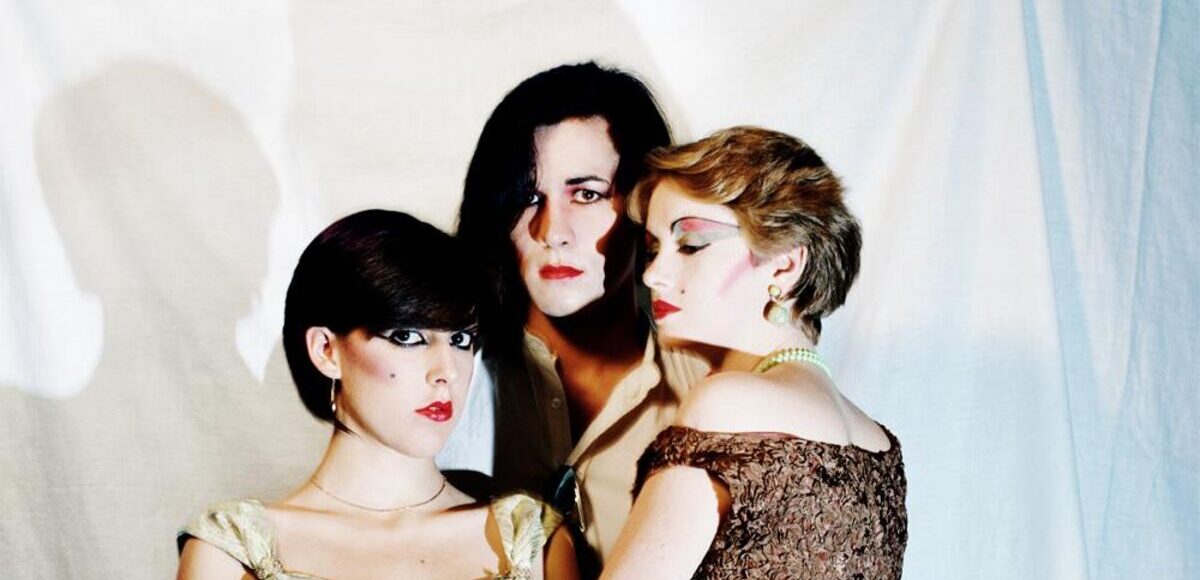
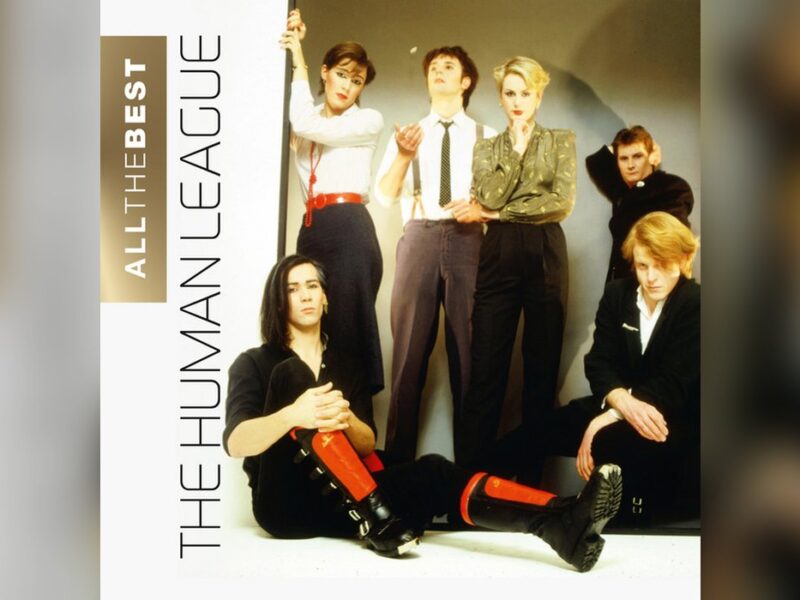
In October 1980, half of The Human League walked out. Martyn Ware and Ian Craig Marsh left to form Heaven 17. Philip Oakey and Philip Adrian Wright still owed Virgin Records an album. On a night out at the Crazy Daisy in Sheffield, Oakey asked two teenagers, Joanne Catherall and Susan Ann Sulley, to join as singers and dancers. They were still at school. The first single with their faces on the sleeve, “Boys and Girls,” only reached No. 47 in Britain, and they had not even sung on it.
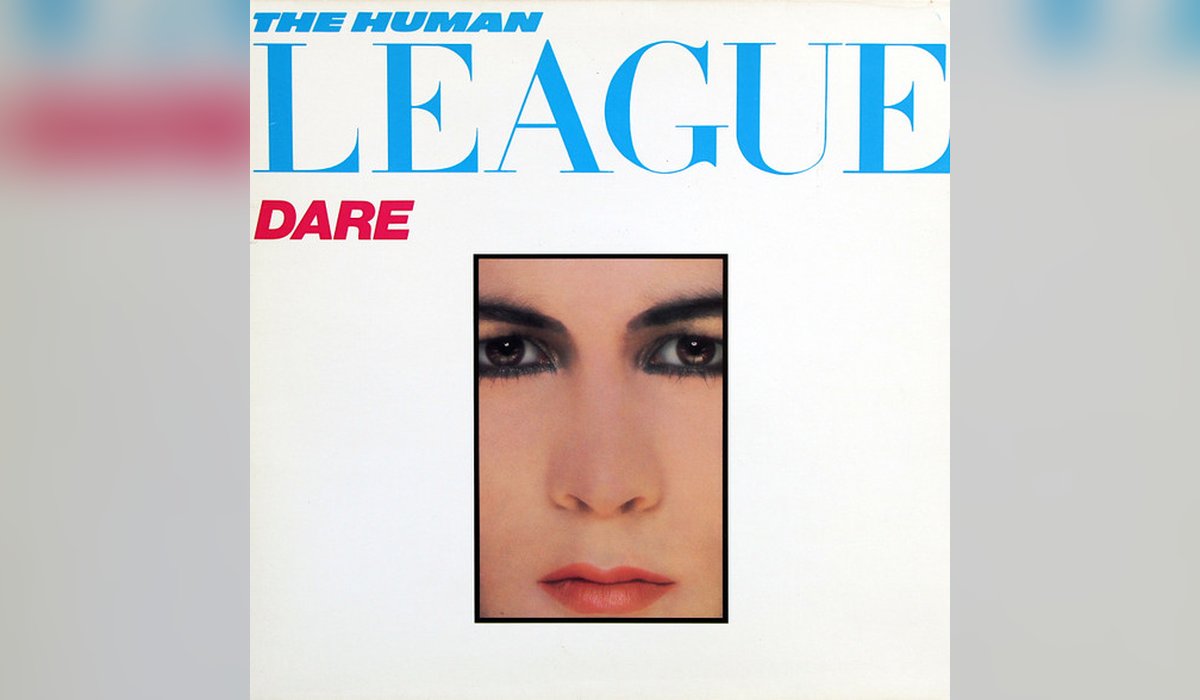
Virgin wanted a clearer pop record. Oakey brought in Ian Burden and Jo Callis, the latter fresh from The Rezillos, and booked Martin Rushent’s Genetic Studios in Reading. Rushent produced Dare, released by Virgin on 16 October 1981. It went to No. 1 in the UK. “Don’t You Want Me” was written by Oakey with Callis and Wright, and placed near the end of the album. Oakey took the story from a photo-strip in a teen magazine and from the film A Star Is Born: a man claims he made a woman’s career, and she answers that she was already on her way. Sulley sings the reply. She has pointed out, more than once, that she was never a waitress in a cocktail bar.
Oakey thought the song was too light to be a single. Rushent’s mix pushed the drum machine and the bright repeated synthesizer line forward. Virgin issued it anyway, on 27 November 1981, as the fourth single from the album, after “The Sound of the Crowd,” “Love Action (I Believe in Love),” and “Open Your Heart.” It became the Christmas No. 1 and stayed there for five weeks. It was the best-selling UK single of 1981. In the United States it reached No. 1 on the Billboard Hot 100 in July 1982.
I thought it was too light for a single. Martin made it brighter than I wanted, and the label put it out anyway.
(Philip Oakey, on “Don’t You Want Me”)
The video, directed by Steve Barron, pretends to be a film set. Oakey plays a director. Sulley plays the performer he says he discovered. Catherall is in the clip as well. The picture matched the lyric without pretending the cocktail-bar line was Sulley’s biography. In 1981 Oakey could also hear the song the other way: he called it a proper pop record in the line of Abba. Years later he was harsher, and treated it as the group’s overly neat moment. Both remarks sit on the same tape.
What the record actually does is simple to follow. A drum machine holds a steady dance beat. Synthesizers carry the repeated line. Two voices trade the story, his in a flat baritone, hers answering line for line. Dare had already made the new Human League a chart group. This single is the one that put Oakey, Sulley, and Catherall on American radio, whether or not the singer had wanted it there.
Sofi | 7 October 2026
|
Opened the article, heard the riff in my head before the embed loaded. Classic. Ok bye.
Tom Riff | 8 October 2026
|
Radio killed Don’t You Want Me for me for years. Came back last month. Instant regret for waiting. Replay button abused.
Yuki | 9 October 2026
|
I came for The Human League, stayed for how clean this write-up is. Don’t You Want Me hits different after reading. Sharing this in the group chat. Expect chaos. Fight me.
Olivier | 9 October 2026
|
Simple song, big feeling. Don’t You Want Me still does that. Fight me.
Carmen | 9 October 2026
|
Short take: the groove on Don’t You Want Me still feels unfair. Coffee got cold while I finished the article. Acceptable.
Dan | 10 October 2026
|
Kinda basic of me but Don’t You Want Me is still top 5 The Human League for me. Coffee got cold while I finished the article. Acceptable.
Chris | 10 October 2026
|
I argued with my brother about Don’t You Want Me for years. This is my exhibit A.
Diego | 11 October 2026
|
I argued with my brother about Don’t You Want Me for years. This is my exhibit A. Might be recency bias but I do not care today. Anyway.
Maya | 12 October 2026
|
Heard Don’t You Want Me a thousand times. This reminded me why it stuck. Sharing this in the group chat. Expect chaos. Anyway.
Lina | 12 October 2026
|
I always skip to Don’t You Want Me on the album. Guilty.
Ben | 13 October 2026
|
Radio killed Don’t You Want Me for me for years. Came back last month. Instant regret for waiting. Good piece.
Amy | 14 October 2026
|
Ok you sold me. Replaying now.
Mateo | 15 October 2026
|
The production notes here made me replay Don’t You Want Me twice. Nice catch. Might be recency bias but I do not care today.
Hélène | 15 October 2026
|
Kinda basic of me but Don’t You Want Me is still top 5 The Human League for me.
Greg | 16 October 2026
|
Simple song, big feeling. Don’t You Want Me still does that.