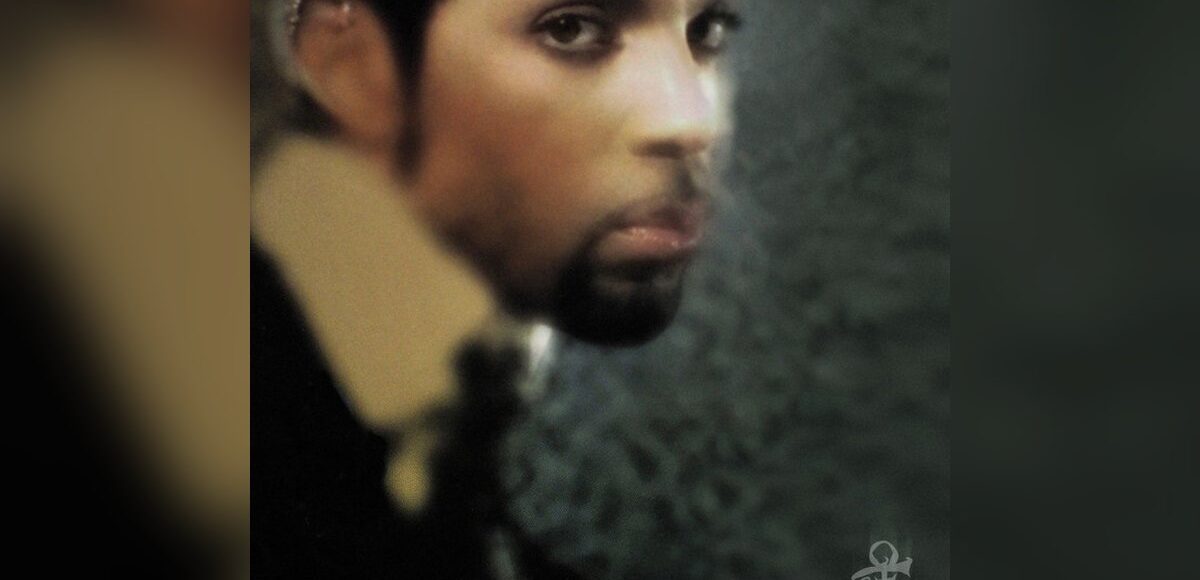
Acoustic disc inside Crystal Ball
Direct-order shipments of The Truth began reaching buyers around 29 January 1998 as the fourth CD in Prince’s Crystal Ball package on NPG Records; retail versions of the set followed in March. Credited to the Love Symbol, it was billed as an acoustic album – the first Prince studio set labelled that way – even though electronics, effects, and layered vocals still colour several tracks. Core recording sat at Paisley Park in late 1996. Rhonda Smith adds bass on multiple cuts; Kirk Johnson, Morris Hayes, and other NPG players appear sparingly around the guitar-and-voice centre.
A CD single pairing The Truth and Don’t Play Me had already surfaced in 1997. The title track opens with a blunt spoken-sung challenge; Don’t Play Me states artistic control in sparse lines; Circle of Amour and 3rd Eye stretch bluesy mid-tempos; Dionne nods to Dionne Farris; Animal Kingdom pushes a diet / ethics argument over acoustic strum; The Other Side of the Pillow and One of Your Tears keep late-night quiet-storm intimacy; Comeback and Welcome 2 the Dawn close the arc. Runtime sits near forty-three minutes across twelve songs.
Because it shipped inside Crystal Ball rather than as a standalone SKU, The Truth did not chart alone in 1998 – the package hit the lower Billboard 200. Later digital releases and a 2021 Record Store Day vinyl finally let the album circulate as its own object. Live, several songs resurfaced on One Nite Alone-era dates, where the acoustic framing matched the theatre intimacy of those shows.
I wanted people to hear the songs without the big production first. The truth is in the guitar and the voice.
(Prince on The Truth / acoustic framing, NPG-era commentary)
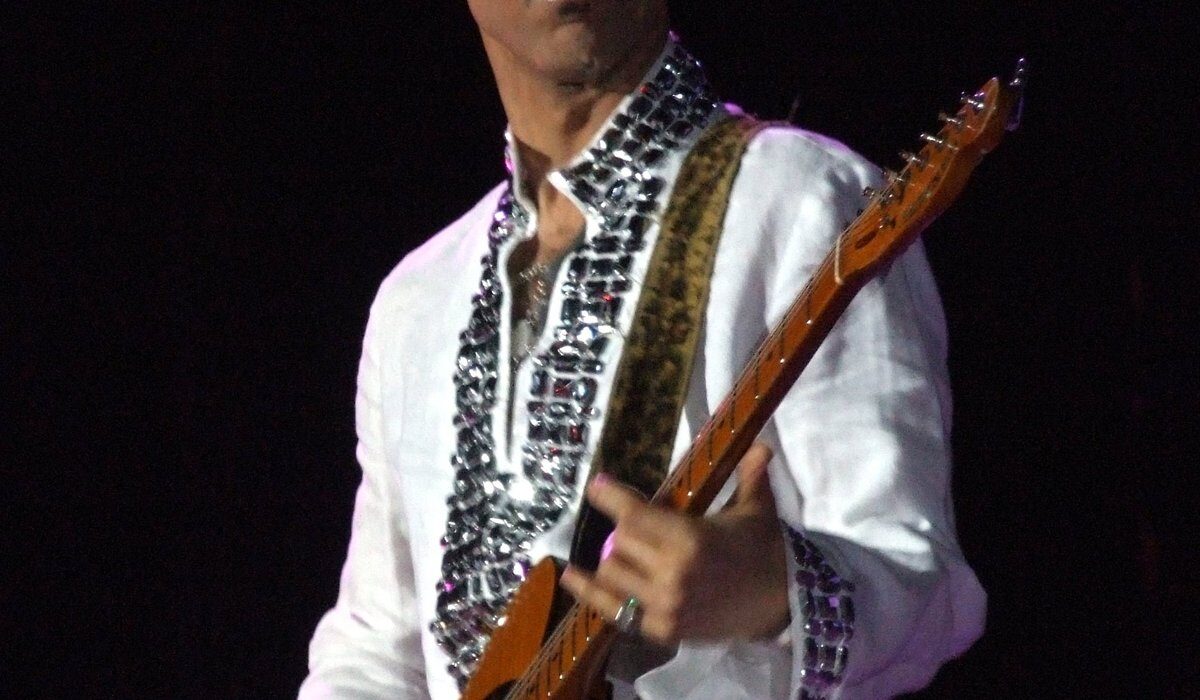
Next to the vault sprawl of the three Crystal Ball discs and the instrumental Kamasutra bonus for phone/web orders, The Truth is the quiet disc that proves songwriting under stripped arrangements. It is not a folk retreat so much as a controlled reduction of the Symbol-era toolbox.
For collectors and latecomers alike, the album is a concrete 1998 document: independence after Warner, mail-order logistics, and a Prince record you can follow with one acoustic guitar in the foreground from first track to dawn.