
A lullaby rewritten away from the crib
The riff does not knock. It is already in the room, clean at first, a five-note figure that sounds like a music box left in a minor key, and then the band kicks the door. Enter Sandman is a bedtime story told by people who do not trust sleep. James Hetfield’s voice lists the prayers and then turns them. The chorus offers never-never land with the warmth of a threat. Children know this tone. So do adults who still check the dark.
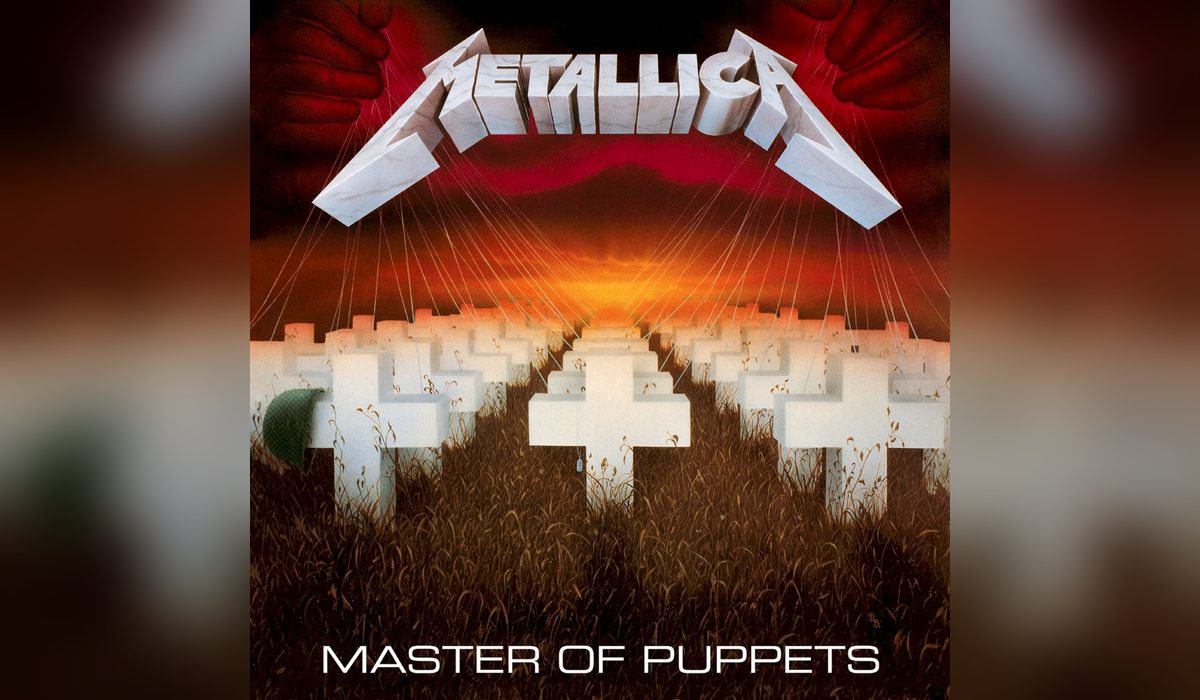
The song opens Metallica, the black album, released on 12 August 1991, produced by Bob Rock at One on One studios in Los Angeles. Kirk Hammett brought the riff, born in the small hours. Lars Ulrich and the band simplified it until it was, in Ulrich’s phrase from later tellings, close to a one-riff song, a shock after the labyrinth of …And Justice for All. Hetfield’s first lyric was about crib death: the sandman kills the baby. He has called that version a little corny. Rock and Ulrich pushed him to rewrite, which angered him and then improved the song. The nightmares stayed. The literal death left. The track became the first single, the one that carried a metal band into rooms that had never bought a metal record, without sanding off the dread.
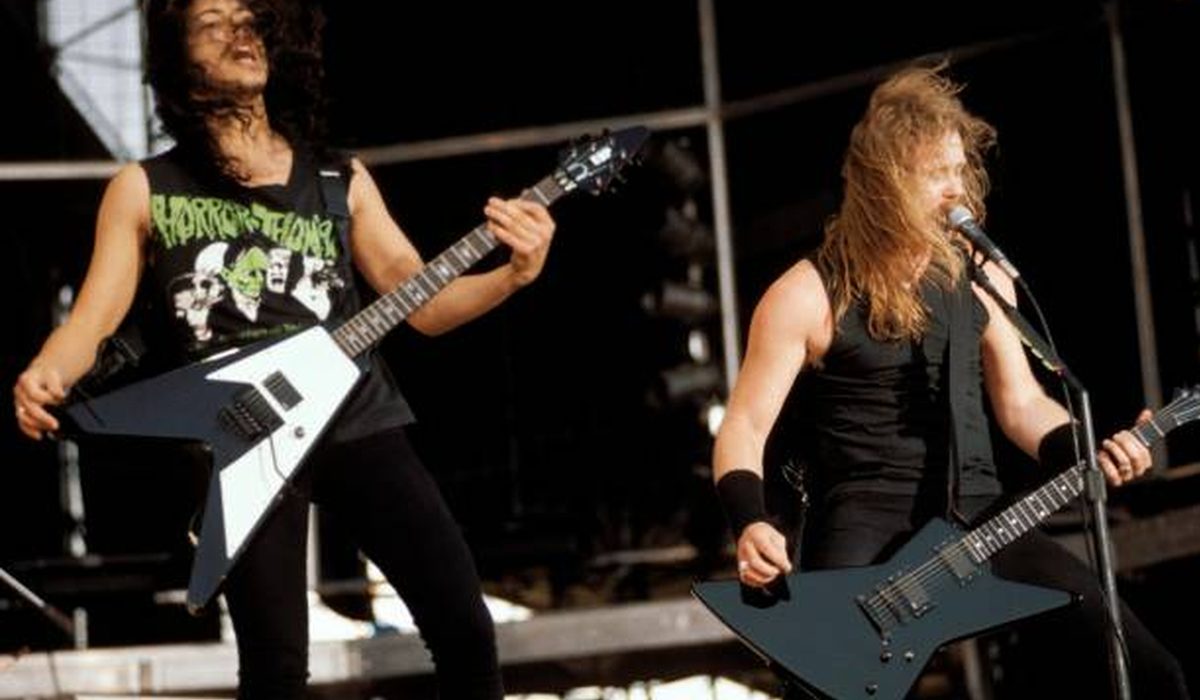
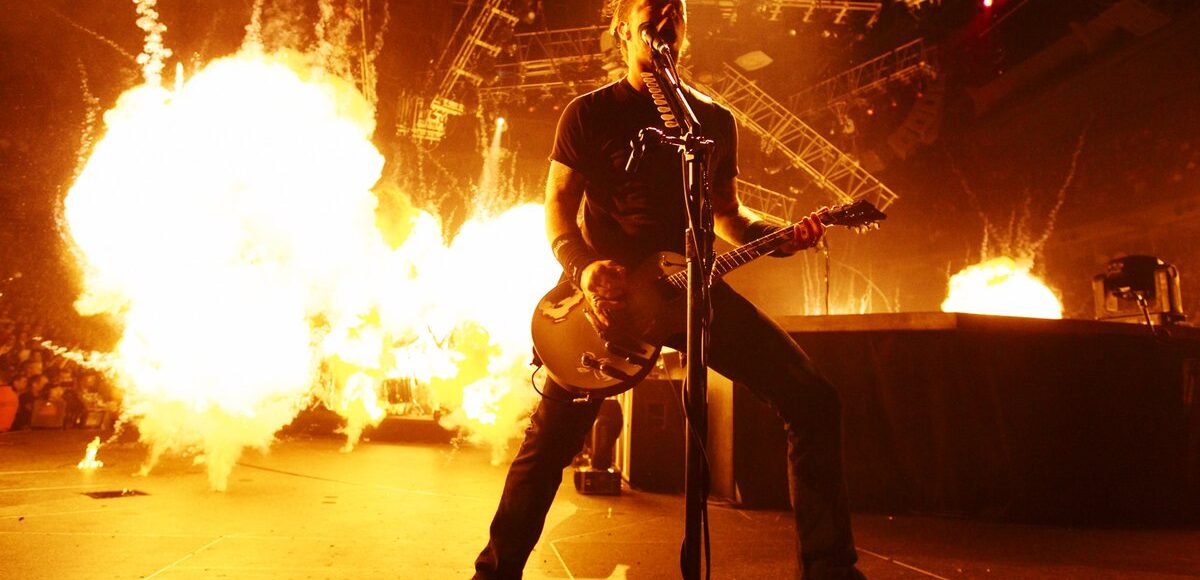
Live, it is the opener or the promise of one, a count-in the stadium already knows. The lights drop. The figure starts. Whatever else the set contains, this is the handshake. Hetfield still sings the rewritten prayer, not the crib. The mercy of that edit is easy to miss under the volume. He refused to put a parent’s worst sentence into the world, and then wrote a song the world could sing without flinching, which is its own kind of dark gift.
We’d had that title Enter Sandman for a long time. It was originally gonna be about crib death. Y’know, baby suddenly dies, the sandman killed it. But that’s a little corny.
(James Hetfield, Uncut)
Rock’s production is the other argument in the track: bigger, nearer, the snare in your ribs, the guitars no longer a wall you listen through but a wall you stand against. Some of the old audience heard a betrayal in the clarity. The song’s afterlife suggests the clarity was the point. A riff this memorable did not need to hide. Hammett’s solo is short by the band’s old measure and exactly long enough. Nothing wanders. The lullaby form, verse and chorus and a spoken creep in the middle, is pop architecture wearing boots.
What remains is the prayer turned inside out. Now I lay me down to sleep, and the band will not let you. Enter Sandman still starts arguments about what Metallica owe their past, and it still ends them, because the figure is too strong to be a position paper. It is a door. You hear it and you are already in the dark with the light still on in the hall. That is the whole childhood the rewrite managed to keep.