
A studio built like a confession
In the spring of 1966, while the Beach Boys sang under tour lights in Japan, Brian Wilson stayed in Los Angeles and built a record that no longer believed in the beach. Pet Sounds opens on the bright rush of Wouldn’t It Be Nice, but the brightness is already a wish, not a photograph. Harmonies stack like panes of colored glass. Under them a bass walks with the patience of someone who has decided that a pop song can carry grief without raising its voice. The Capitol sleeve is almost shy: a green field of type, and a snapshot of the group feeding goats at the San Diego Zoo. The joke is gentle. The music is not. Released on 16 May 1966, the album sounds, from the first bar, like a man who has stepped out of the car and shut the door.
Wilson had left the road after a panic attack on a flight late in 1964. The months at home became a workshop rather than a rest. Sessions moved between Western Recorders and Gold Star, with the Wrecking Crew close around him: Hal Blaine’s drums, Carol Kaye’s bass, keyboards, horns, and a small cabinet of objects that most producers would have left in the hallway. Bicycle bells, Coca-Cola cans, and, at the close of Caroline, No, the barking of Wilson’s dogs Banana and Louie all found a bar to live in. Tony Asher, a young advertising writer, sat beside him and turned private sentences into lyrics the group could actually sing. When Mike Love, Carl Wilson, Dennis Wilson and Al Jardine came back from Japan, the architecture was already drawn. They sang it with a precision that still startles. They did not always recognize the boy who had written it.
What they sang is a suite disguised as a dozen pop songs. God Only Knows, given to Carl, is the still center: a love song that begins by admitting what it does not know, and then refuses to look away. I Just Wasn’t Made for These Times states the fear without a costume, a theremin flickering at the edge like a thought you cannot finish. Sloop John B, the folk song Wilson insisted on keeping, is the one window of old sunlight, and even that light is tired, a tourist melody sung by someone who wants to go home. Let’s Go Away for Awhile has no voices at all. The title instrumental feels like a room after the guests have gone, chairs still warm, nobody speaking. Nothing here chases a dance floor. Everything listens, then answers in harmony.
It may be going overboard to say it’s the classic of this century, but to me, it certainly is a total, classic record that is unbeatable in many ways.
(Paul McCartney, interview with David Leaf, 1990)
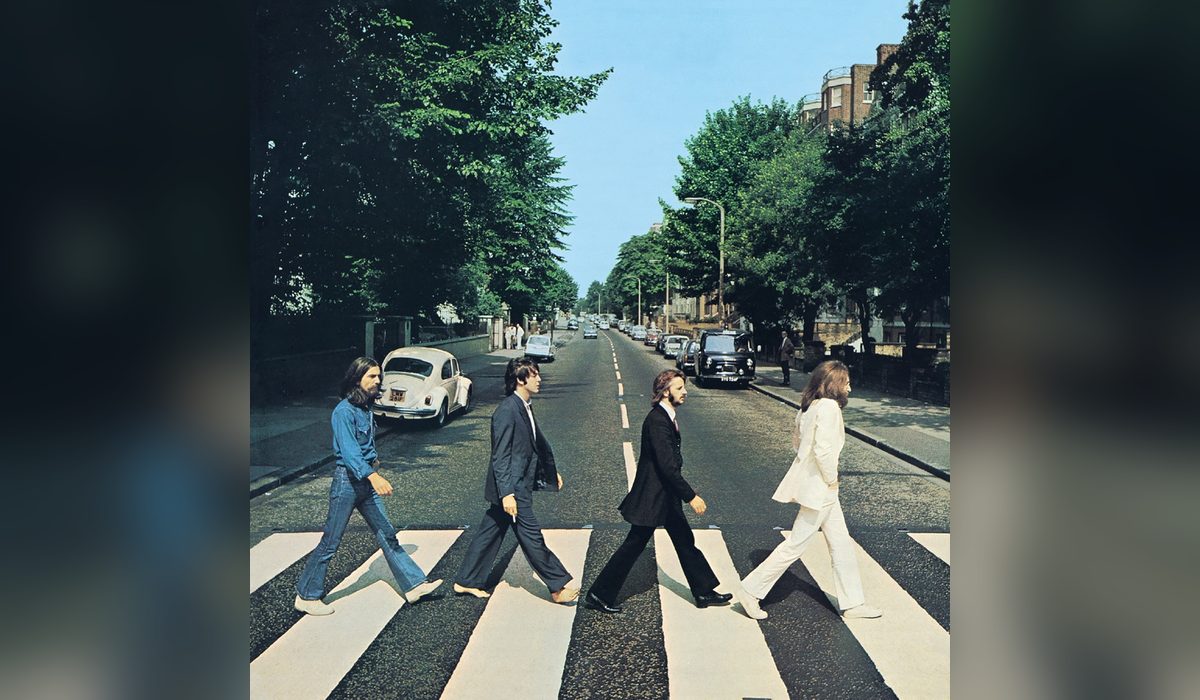
Capitol did not know what to do with a Beach Boys album that refused the surf. In the United States the record stalled beside the singles the label still preferred to push, as if complexity were a scheduling problem. In Britain it was heard as a new kind of composition. McCartney has said, more than once, that playing Pet Sounds pushed the Beatles toward Sgt. Pepper’s Lonely Hearts Club Band. Wilson tried to answer that answer with Smile, which came apart in his hands before it could be finished. The unfinished reply made the finished record clearer. Pet Sounds did not need a sequel to prove it had changed the size of a pop album. It had already moved the walls.
Listen late, with the window open. The harmonies do not date. They hover a little too close, the way a confidence does when someone finally says the true thing out loud and then does not take it back. Wilson was twenty-three. He already knew that a hit could be a shelter and a trap at the same time, a chorus you are asked to wear long after it has stopped fitting. Pet Sounds chooses the shelter, then tells you, very politely, what it costs to stay inside it. The goats on the cover keep eating. The room behind the sleeve does not.