
From Motown kid to Off the Wall, Thriller, and Bad
Michael Jackson was nine when he stood in front of a Motown microphone as the lead singer of the Jackson 5. «I Want You Back» and «ABC» turned a Gary, Indiana family act into a television fixture. Berry Gordy’s machine polished every note, but the kid’s timing was already precise: he sang ahead of the beat just enough to make a simple chorus feel urgent. By the late 1970s, after Motown and a solo deal with Epic, he needed a sound that matched an adult body and a dancer’s sense of space.
Off the Wall (1979) was the pivot. Quincy Jones produced, Rod Temperton wrote several key tracks, and sessions spread across Allen Zentz and Westlake in Los Angeles. «Don’t Stop ‘Til You Get Enough» put a disco pulse under a vocal that finally sounded like Jackson alone, not the youngest brother in a group. «Rock with You» and «Off the Wall» kept the arrangements lean: bass that moved, strings that breathed, and a vocal mixed forward without the Motown gloss.
Thriller (1982) widened every dimension. Jones stacked rock guitar on «Beat It» with Eddie Van Halen’s solo, brought Paul McCartney in for «The Girl Is Mine,» and let Temperton’s «Thriller» run long with Vincent Price’s spoken bridge. The album’s eight-week run at number one was only part of the story. Jackson and director John Landis turned the title track into a fourteen-minute video that made MTV treat Black artists as essential programming rather than exceptions. The red jacket and zombie choreography became reference points, but the song’s bass line and chorus still work on a car radio with the screen off.
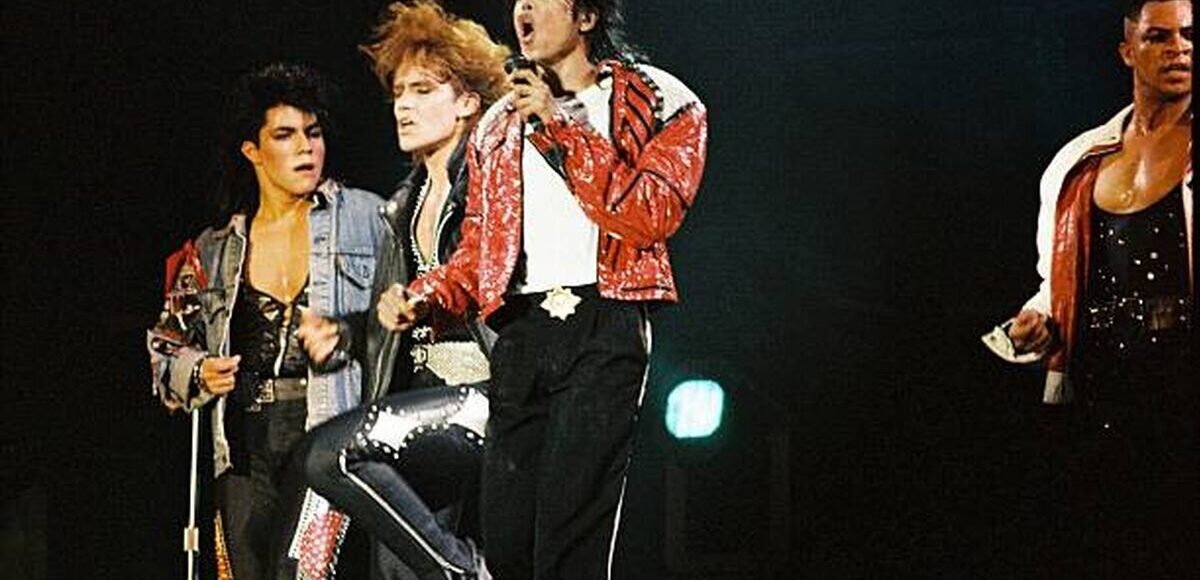
Bad (1987) pushed tempo and edge. Jackson co-wrote more material, brought in producers like Teddy Riley for the title track’s new jack swing snap, and toured with a show that froze audiences with the lean and toe-stand gestures copied worldwide. «Smooth Criminal,» «The Way You Make Me Feel,» and «Man in the Mirror» show three faces of the same singer: noir pop, flirtation, and gospel-raised self-questioning.
The 1990s brought Dangerous, HIStory, and increasing tabloid noise that often drowned discussion of the music. New jack swing, industrial touches, and duets with Janet Jackson on «Scream» kept the production ambitious even when public focus shifted to legal battles and changing appearance. The 2001 Invincible album and the planned This Is It residency ended with his death in June 2009, which triggered a global replay of the catalogue rather than a quiet archival moment.
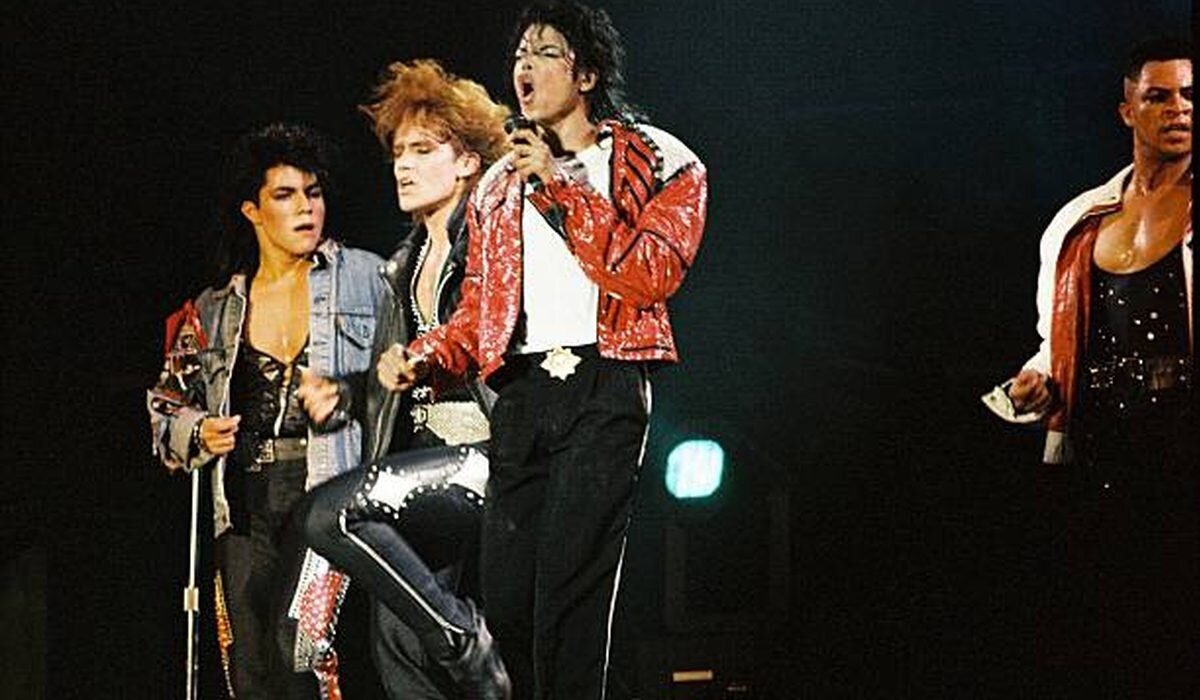
Influences run from James Brown’s footwork and Jackie Wilson’s grace to Stevie Wonder’s harmonic curiosity and Fred Astaire’s screen poise. Jackson studied film as closely as records; the short films for «Billie Jean,» «Bad,» and «Black or White» are choreographic essays with budgets most bands never see for an entire tour.
Listen for the vocal hiccup on «Off the Wall,» the tight drum programming on «Billie Jean,» the rock crunch entering «Beat It,» and the way Jackson leaves space for a bass line to speak before the chorus lands. His productions treat silence as part of the groove.
Entry points: Off the Wall for the grown-up voice, Thriller as a complete object, Bad for tempo and live energy. Compared with Prince, Jackson chased universal chorus hooks over guitar heroics. Compared with Madonna in the same MTV era, he paired visual spectacle with child-voice nostalgia in a way that felt both uncanny and welcoming.
Jackson’s chart history can blur the person and the product, but the best records still teach something practical: how to place a vocal so a dancefloor hears melody first, how to edit a video like a song with verses, how to stack genres without losing a single recognizable tone.
That combination of movement, voice, and production craft is why the work still earns attention beyond nostalgia: each era adds a chapter you can hear separately, from Motown teen to Westlake disco to the thriller bass line that still moves a room.