Paris and Los Angeles, 2000-2001: the soft Air that refused to stay soft
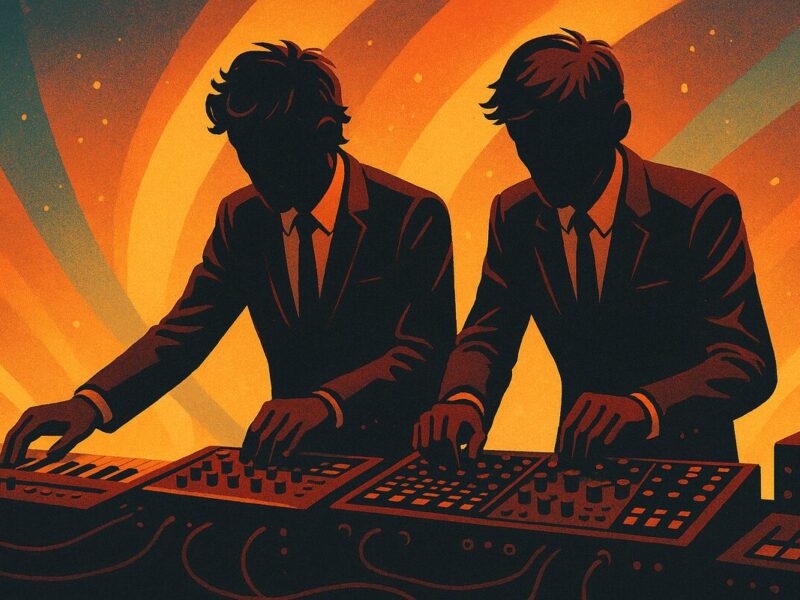
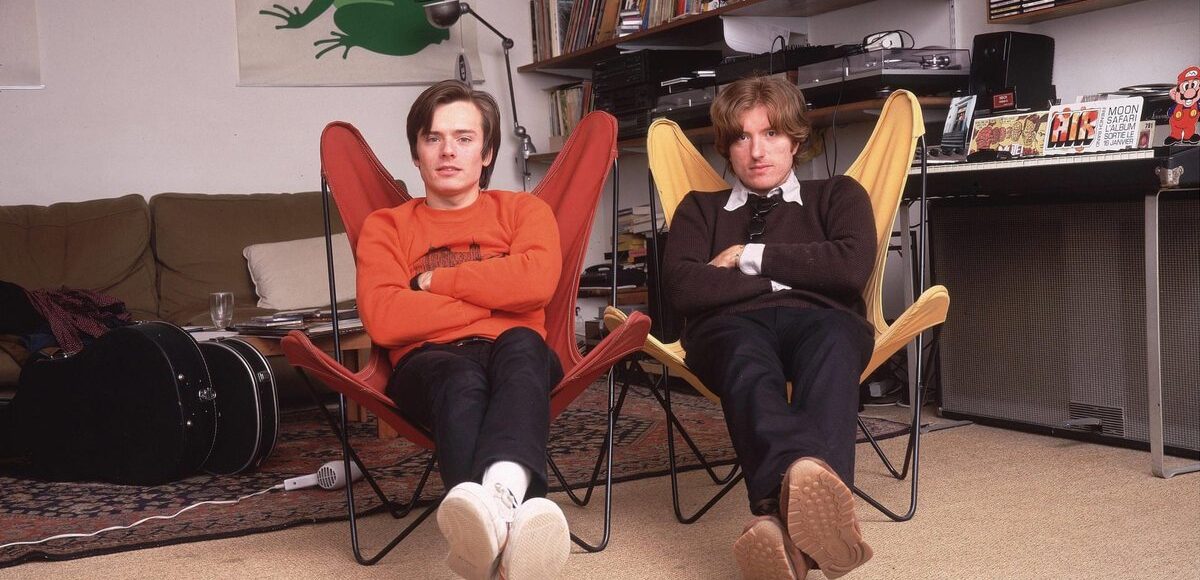
Early 2001, Nicolas Godin and Jean-Benoît Dunckel are still building 10 000 Hz Legend, and Don’t Be Light is already the second piece on the tape. Electronic Performers came first. Godin later told Shindig that each Air album keeps one song that could have belonged to the record before it. On this album, that song is Don’t Be Light. The chords still carry the softer Air of Moon Safari. The bass, the guests, and the length do not. Put it on and you hear the hinge: warmth first, then a harder room.
Source and Virgin released the album in France on 28 May 2001. Astralwerks issued it in the United States the next day. Tracking had run through 2000 and 2001 at Appolo in Paris, then at the Bomb Factory in Los Angeles, Hollywood Sound, and Capitol in Hollywood. Air produced. Tony Hoffer came in for extra production, editing, and the mix, with Julien Delfaud assisting. Nilesh Patel mastered. Godin told KindaMuzik they had left the Versailles countryside, where Moon Safari and The Virgin Suicides were made, for a small place in town. He called the new record urban. Don’t Be Light is where that change is easiest to hear: a long arrangement, a hard bass tone, and a line of guests who each left a part behind.
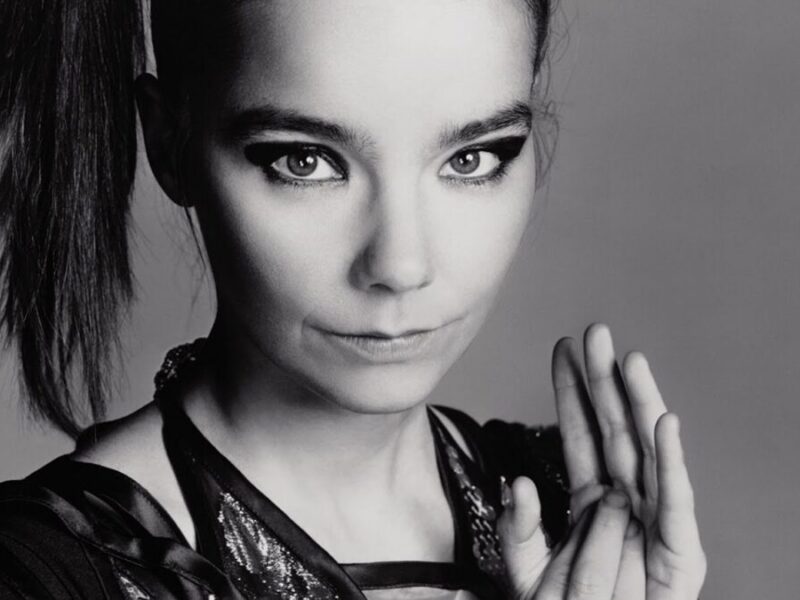
The finished track runs 6 minutes 18 and sits at number 10. Brian Reitzell plays drums. Justin Meldal-Johnsen plays bass, including a distorted solo Dunckel later called unusually rocky for the duo. Roger Joseph Manning Jr. adds keyboards. Elin Carlson sings a soprano line. Jean Croc whistles toward the close. Beck speaks in the middle. On KCRW, 26 May 2001, a few days before the album reached shops, he said Air had asked him for Lizard King-type prose. He wrote it, thought it tipped into pretension, and they talked him into leaving it on the record. Unlike The Vagabond, where Beck shares the writing credit, Don’t Be Light lists Dunckel and Godin as the writers. The poem is one layer, not the whole song, and that layering is what makes the six minutes move.
It’s a message to the people. I know that sounds pretentious, I know nobody cares, but it’s just to say, ‘Be yourself, don’t be part of the industrial system that wants you to consume some light product.’
(Jean-Benoît Dunckel, Mojo, via Rock’s Backpages)
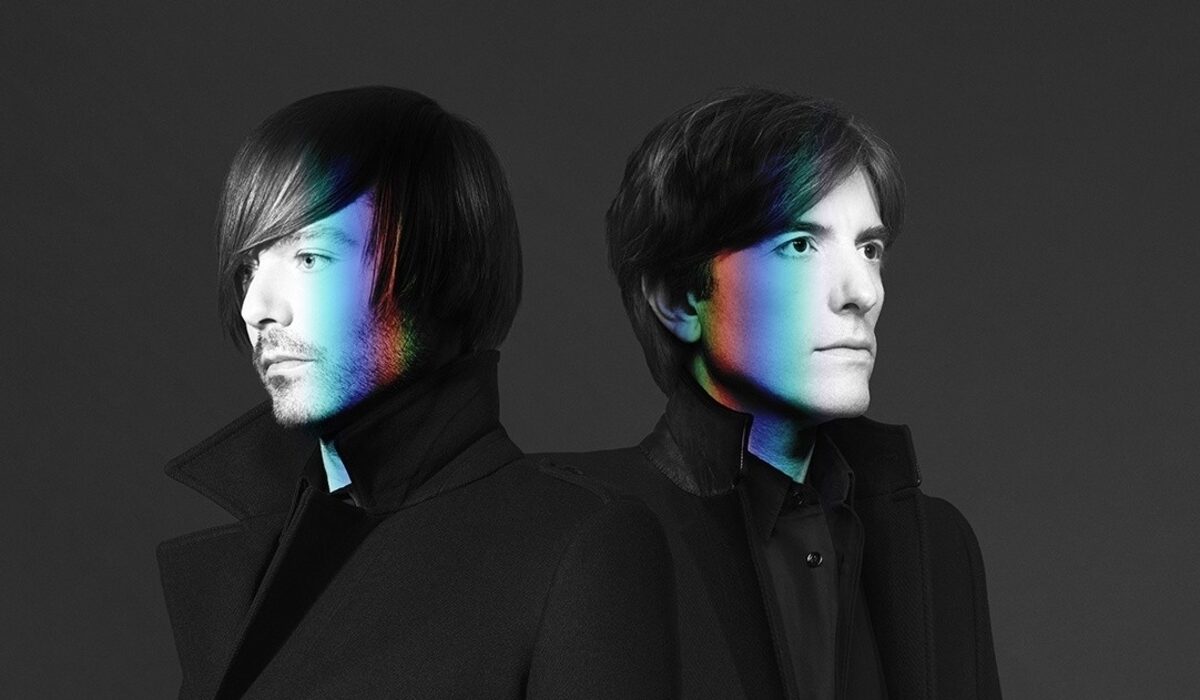
The single followed on 18 February 2002, with a video directed by Mrzyk and Moriceau. The album reached No. 7 in France and on the UK albums chart, No. 3 in Norway, and about 600,000 copies worldwide. Britain later certified it gold. Listeners who had wanted a second Moon Safari were cooler: Metacritic settled at 68. Q still named 10 000 Hz Legend one of its 50 best albums of 2001. Dunckel told the same Shindig conversation that visitors kept adding something to Don’t Be Light before they left the studio, and that the track summed the record up. Godin called the album’s structures a bit too complicated, then pointed at this song as the one that still belonged to the previous Air.
Play it after Electronic Performers and the hinge is obvious. The electric-piano warmth is still there. The distorted bass, the soprano, the whistle, and Beck’s flat spoken verse are the new room. Air did not repeat Moon Safari. They kept one bridge back to it, then kept going. The single arrived nine months after the album, which is how long it took the song to step out of that tracklist and stand on its own. Start here if you want the farewell and the arrival in the same cut.