
Food Records, after a rough US tour
In May 1993, Blur released Modern Life Is Rubbish on Food Records after a rough American tour and a label that nearly buried the tapes. Damon Albarn, Graham Coxon, Alex James and Dave Rowntree had come back from the US tired of being asked which part of Manchester they were from. The answer was Colchester and London, and the album turned that irritation into guitar pop with Mod clothes, music-hall melodies and lyrics about shopping precincts, Sunday papers and rain.
Sessions spanned late 1991 into early 1993. Early work with Andy Partridge at The Church stalled. Stephen Street, who had already helped on There’s No Other Way, took over most of the production with engineer John Smith. Street later recalled that the band needed studio per diems just to eat. Food boss Dave Balfe heard an early version and called it commercial suicide. Albarn answered by writing For Tomorrow at his parents’ house in Colchester on Christmas Day, then Chemical World to calm the American label SBK, which wanted Butch Vig. Blur refused the Vig remake.
For Tomorrow opens on Coxon’s clean arpeggios and a string arrangement that feels like a rainy walk up Primrose Hill. Julien Temple shot the video there with the band in Fred Perry and Doc Martens. Chemical World pushes harder, with a clipped riff and Albarn’s vocal sitting between sneer and singalong. Sunday Sunday leans into music-hall bounce; Advert and Pressure on Julian keep the social sketchbook going. The guitars stay bright and dry; the drums hit like club nights rather than stadium wash.
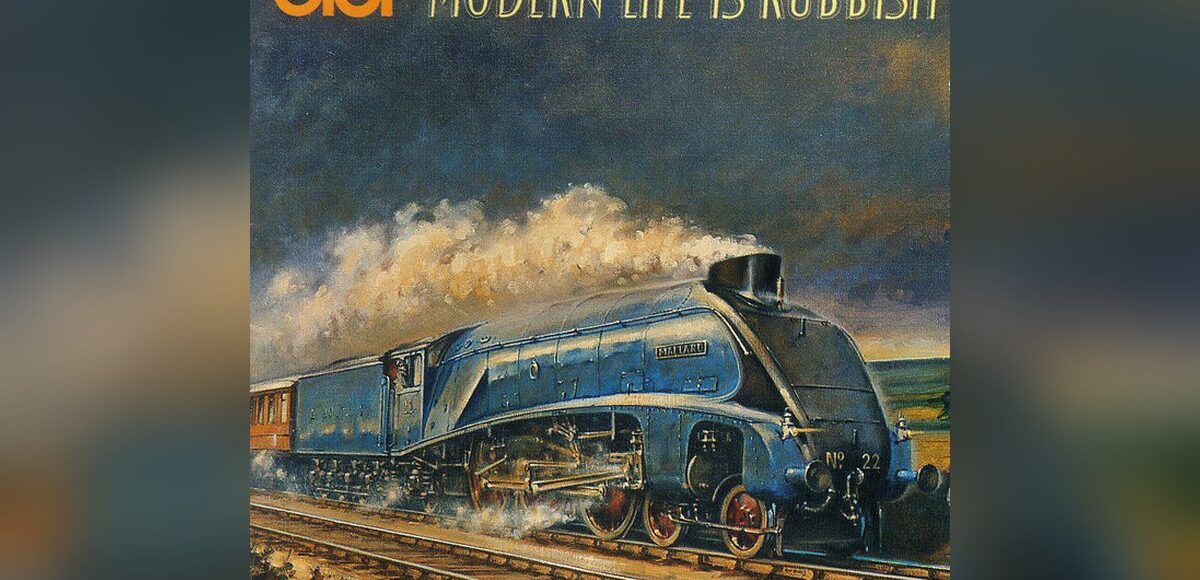
The cover painting of a Mallard-style locomotive, with the title sprayed in yellow, was intentional British Image branding. The press photo with a mastiff and “British Image 1” behind the band sparked a row about nationalism; Blur answered with a camp tea-party shot labeled “British Image 2.” The music itself was not a flag march. It was observation: trains, ads, class comedy, and the hangover after Madchester.
This album’s touched a nerve. And if we can hang on, and make the next album cracking, it’ll do the business.
(Stephen Street, recalling Reading Festival 1993, Uncut)
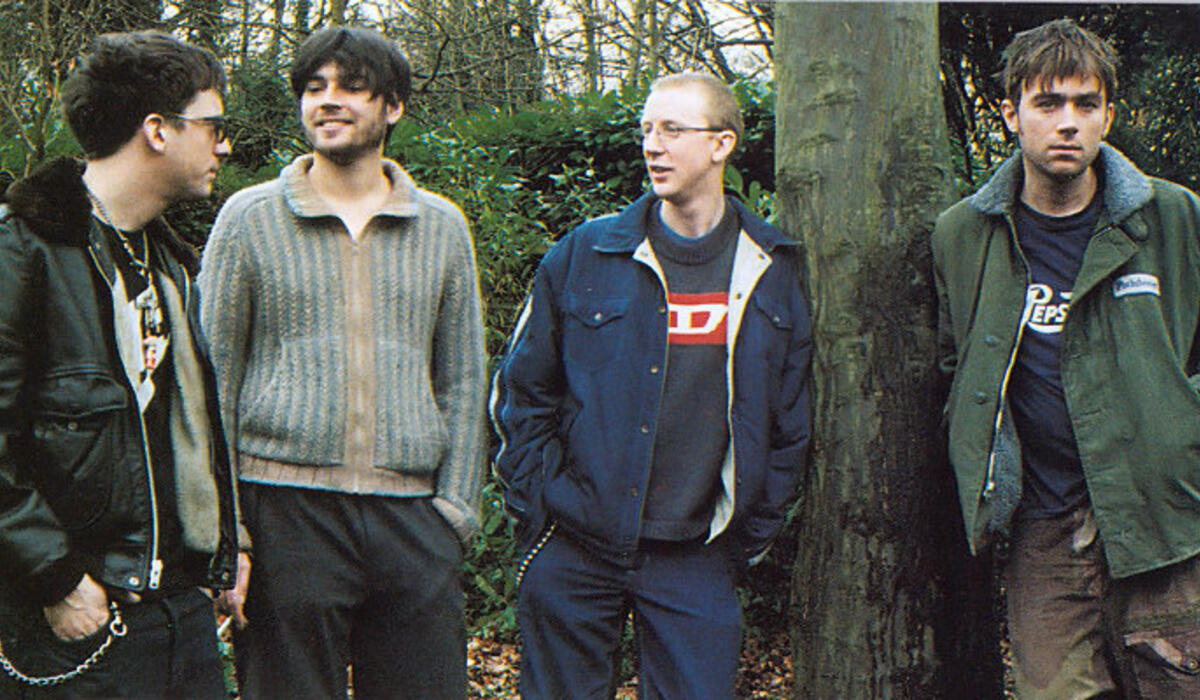
Commercially the record peaked at UK No. 15. That was modest next to what followed, but enough for EMI to stay patient. At Reading 1993 in the Melody Maker tent, the crowd already sang the new songs back. Parklife would arrive a year later and turn the same English lens into chart dominance; without Modern Life Is Rubbish, that leap has no runway.
Listen now and you hear the template: Coxon’s angular leads, Albarn’s character voices, James’s melodic bass, Rowntree’s crisp kits. Britpop branding came later from journalists. On this album the band was simply deciding to sound English again after an American detour that had nearly finished them.
Singles after For Tomorrow kept the campaign alive without turning the album into a hits factory. Chemical World and Sunday Sunday both charted inside the UK Top 30 and gave radio a harder and a lighter face of the same English turn. Coxon’s parts stay busy without stadium excess: bends, harmonics and dry rhythms that later Britpop guitarists would copy with less wit.
Modern Life Is Rubbish remains the hinge. Not the biggest seller, not the festival headline set, but the moment Blur stopped chasing Seattle and started mapping London suburbia with sharp guitars and sharper jokes. The rubbish of modern life, in their hands, became a working method.