Maison Rouge, Essex in widescreen
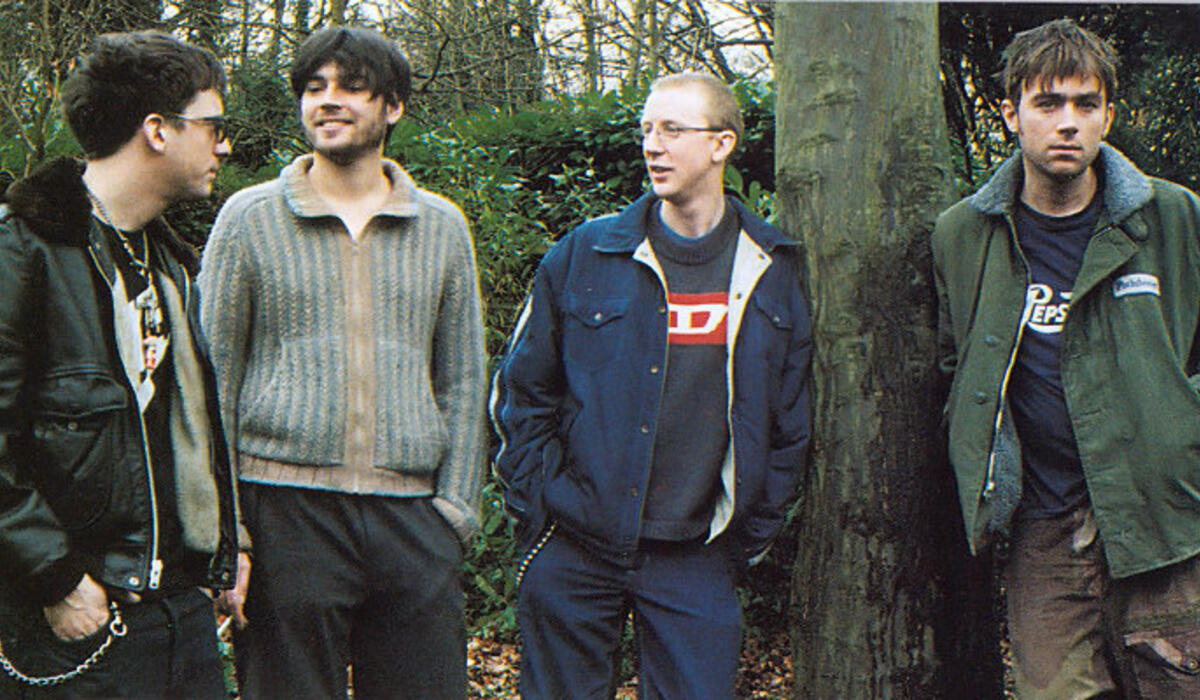
On 25 April 1994, Blur released Parklife on Food Records: the third studio album from Damon Albarn, Graham Coxon, Alex James and Dave Rowntree, cut mostly at Maison Rouge in Fulham with Stephen Street producing and John Smith engineering. After the modest UK No. 15 of Modern Life Is Rubbish, the band needed a hit that still sounded English. Parklife answered with greyhound-cover swagger, music-hall choruses and character sketches that journalists soon labelled Britpop.
Sessions ran from late 1993 into early 1994. Food still demanded demos before greenlighting tracks; the band recorded Girls & Boys anyway and pushed it as the lead single. It hit UK No. 5 in March 1994: disco bass from James, a deadpan Coxon riff, Albarn barking the holiday chant. To the End, finished with Stephen Hague and Lætitia Sadier on French backing, went to No. 16. The title track stalled until Albarn handed the verses to actor Phil Daniels, whose Quadrophenia bark sold the pigeon-feeding monologue; it peaked at No. 10. End of a Century closed the singles run at No. 19.
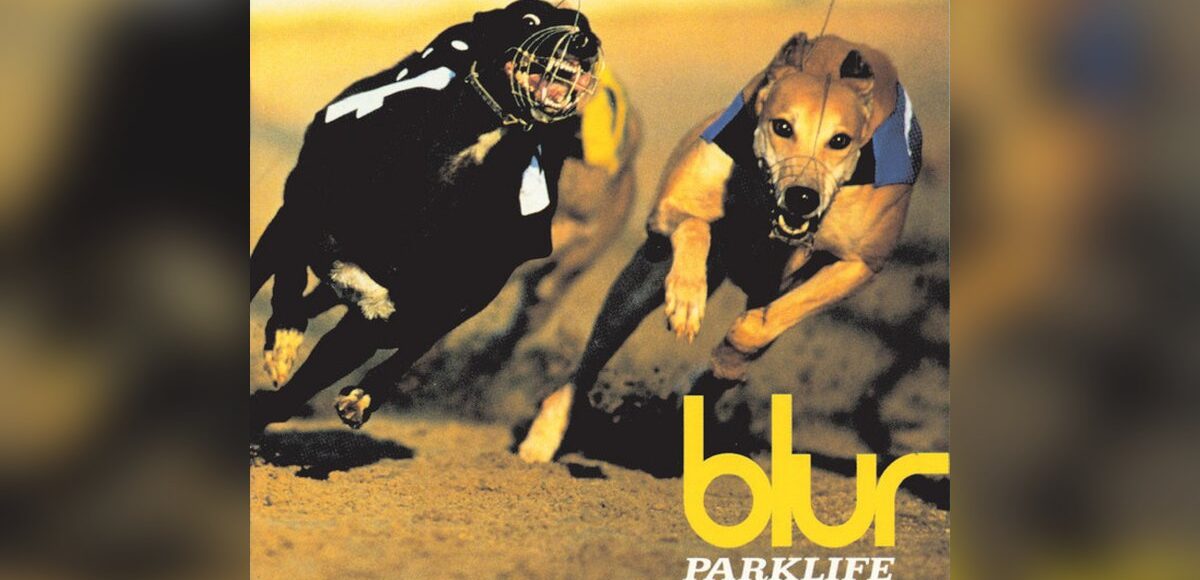
Inside the album the moods keep switching. Tracy Jacks and Bank Holiday play social comedy; Badhead and This Is a Low slow the tempo into weather-report melancholy, Coxon’s guitar opening into wider chords. Street keeps the drums dry and the guitars bright rather than stadium-washed. The cover, two racing greyhounds and a yellow Blur logo, was shot to look like a day at the dogs, not a band portrait. It matched the lyrics: parks, dustmen, package holidays, and the comedy of ordinary London lives.
Sorry, lads, you don’t have permission.
(Andy Ross of Food Records on Girls & Boys, recalled by Stephen Street in Uncut)
They recorded it anyway. The album debuted at UK No. 1, sold about 27,000 copies in week one, and stayed on the chart for 90 weeks; UK sales later passed a million, making it Blur’s bestselling studio album at home. At the 1995 BRITs it took Best British Album; the Parklife single and video also won. Less than three weeks after Kurt Cobain’s death, the record arrived as a different kind of 90s statement: local, chatty, and built for the charts rather than the American alternative lane Blur had already rejected.
What followed was the Britpop boom and the 1995 chart battle with Oasis, but the working method is already here: Albarn writing character voices, Coxon refusing soft rock gloss, Street catching the band between club energy and ballad craft. The Great Escape would push the English sketchbook further; Parklife is where that sketchbook first sold in bulk.
Play it now and the jokes still land because the arrangements are concrete: Linn-free live kits, tight bass, choruses built for terrace singalongs, and Daniels’s spoken verses cutting through like a radio play. Parklife did not invent English guitar pop. It made that Englishness chart currency, one greyhound leap at a time.