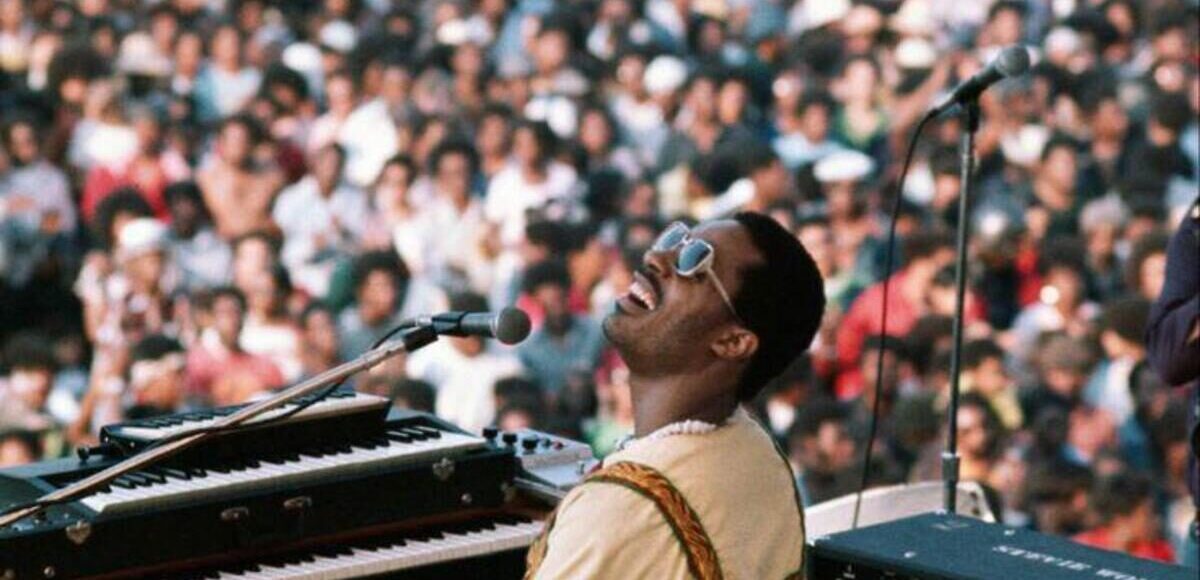
Seven minutes on the album, half of that when Tamla blinked
As sits on the second disc of Songs in the Key of Life, Tamla’s double album of 28 September 1976, after the singles I Wish and Sir Duke had already done the chart work. Wonder produced it and sang it. He did not play it alone. Herbie Hancock is on a second Fender Rhodes, doubling Wonder’s own, with handclaps in the vamp. Nathan Watts plays bass. Dean Parks plays guitar. Gerry Brown plays drums. Mary Lee Whitney and Yolanda Simmons sing behind him. The album cut runs 7:08.
The first half is a list that behaves like a vow. As long as there is sun, a rose in May, one person still standing, the love in the song holds. The harmony is gospel moving at a disco tempo, Rhodes on top of Rhodes, Watts locking the bass to Brown’s kick. Then Wonder drops his voice into a rasp and the lyric stops describing and starts instructing: change your words into truth, then that truth into love, and maybe the grandchildren will tell it. The rasp is the point. He is not decorating the chorus. He is changing job, from singer to the person at the front of the church, and then the long “hey” vamp carries the last two minutes the way Hey Jude taught pop records to refuse an ending.
Tamla waited. I Wish was the first single, in November 1976. Sir Duke followed and also made number one. Another Star came in the summer of 1977. As was the last single, October 1977, backed with Contusion. The 7-inch edit runs 3:27. It cuts the gospel bridge and the long outro, which means it cuts the reason the album track is seven minutes. That edit reached number 36 on the Billboard Hot 100 and on the soul chart, and number 24 on easy listening. Respectable, and a smaller song.
The Spotify line that says “edit” is that radio cut. The piece Wonder finished in 1976 is the long one. Hancock’s Rhodes is the detail that keeps it from being a solo showcase: two keyboard players, both famous for other bands, agreeing on a shimmer instead of a solo battle. Parks’s guitar stays in the rhythm. Brown does not rush the backbeat when the vocal turns into a sermon.
Change your words into truth and then change that truth into love.
(Stevie Wonder, the bridge of As, 1976)
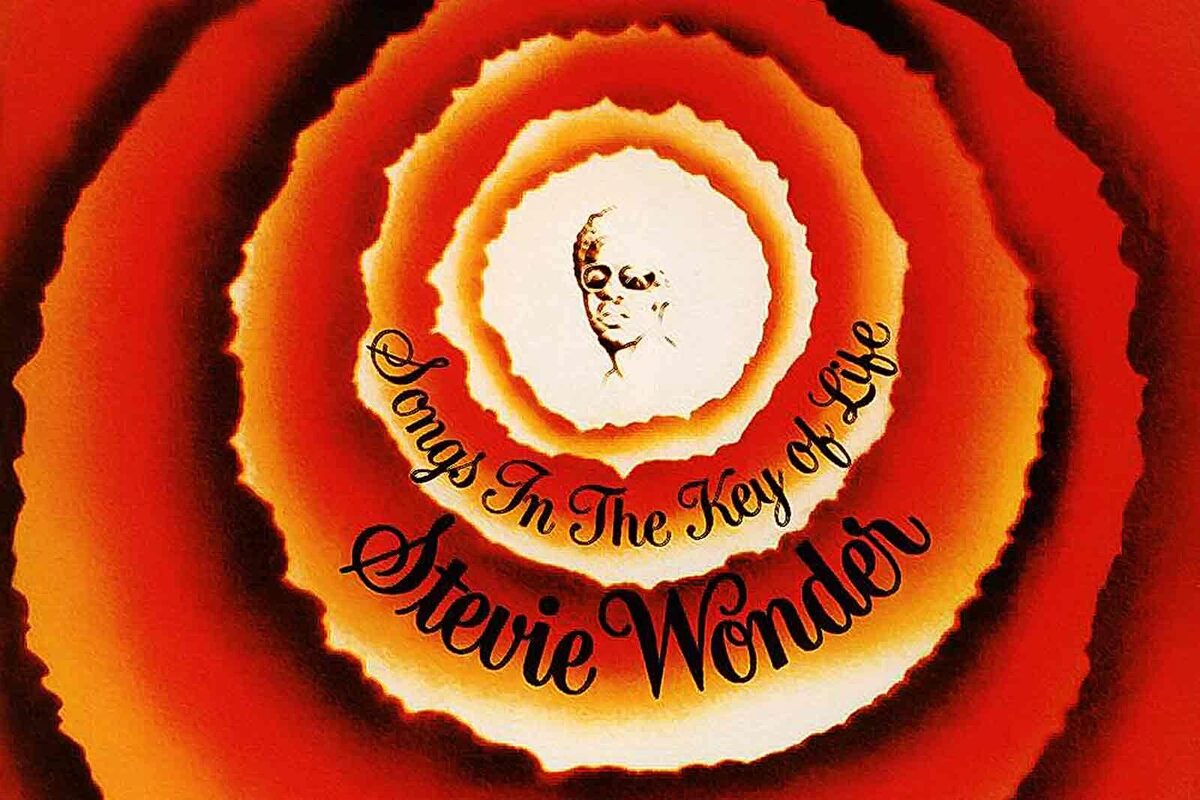
In 1979 Kimiko Kasai recorded it with Hancock again, on her album Butterfly. That cover is the useful next listen: the same pianist, a different singer, the harmony pulled toward jazz. George Michael and Mary J. Blige’s later version proved the song could carry a duet. Neither replaces the 1976 track, where the edit’s missing minutes are the ones that change the temperature.
Play the album length. The first chorus is the promise. The bridge is the demand. The fade is Hancock and Wonder still on the Rhodes while the claps keep time. Tamla could sell three and a half minutes of it. The record Wonder released is the one that does not stop when the radio would.