
Tour diary with a lightning bolt
In April 1973, while the Ziggy Stardust tour was still filling halls, David Bowie released Aladdin Sane on RCA Victor. The title puns on “a lad insane.” Sessions ran from October 1972 into January 1973, split between RCA Studios in New York and Trident in London, with Ken Scott co-producing beside Bowie. The Spiders from Mars – Mick Ronson, Trevor Bolder, Mick Woodmansey – stayed the core band. Pianist Mike Garson joined and changed the record’s center of gravity.
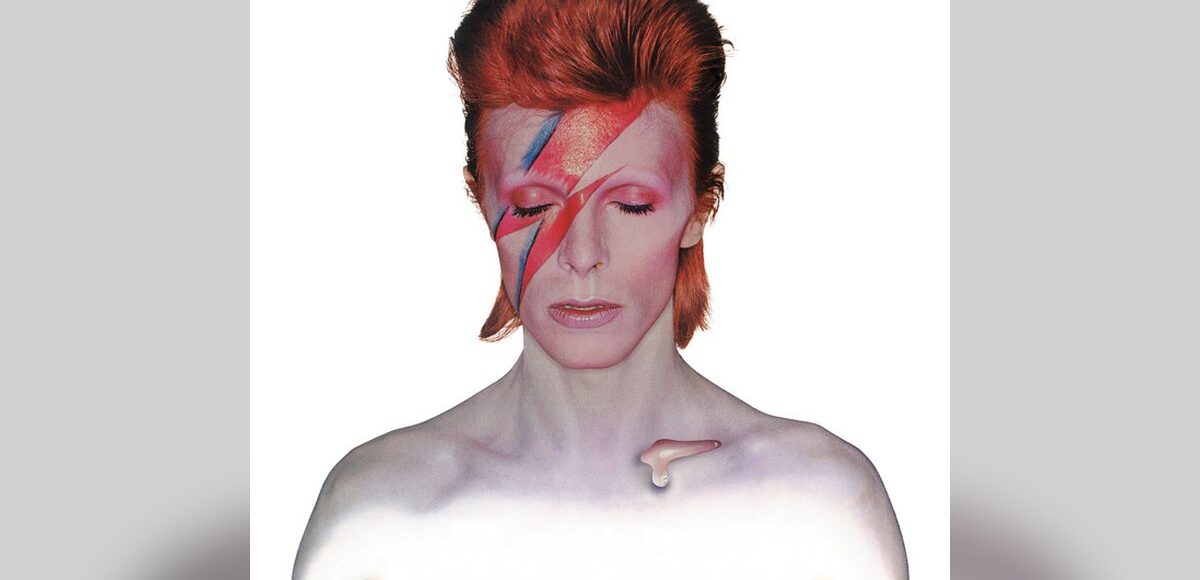
The album opens loud: Watch That Man piles on guitars and slurred vocals like a Stones night out. The title track then gives Garson a free jazz piano solo over a repeating chord loop; Bowie rejected blues and Latin takes and asked for the avant-garde New York sound Garson had talked about on the bus. Garson cut it in one take. Around that hinge sit concrete tour snapshots: Drive-In Saturday, Panic in Detroit, Cracked Actor, and the UK hit The Jean Genie, tracked in New York on 6 October 1972. Brian Duffy’s lightning-bolt cover made the face as famous as the songs.
Bowie was writing America as he crossed it – motels, TV, riots, aging stars – while still selling the Ziggy costume on stage. Time and Lady Grinning Soul pull cabaret and piano drama into the same set as the Stones cover Let’s Spend the Night Together. The mix stays dry and hard: Ronson’s guitar upfront, Garson’s dissonance left in the open, no soft psychedelic haze.
If by conventional lights Bowie is a lad insane, then as an Aladdin, a conjurer of supernatural forces, he is quite sane.
(Ben Gerson, Rolling Stone, 1973)
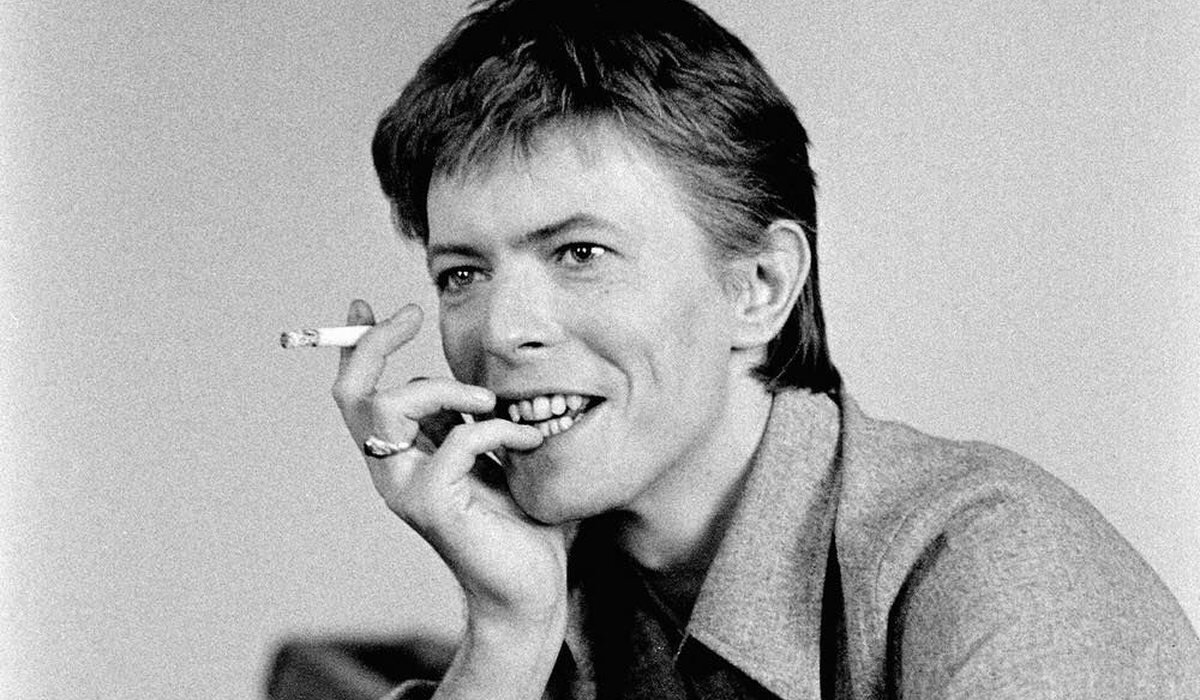
Aladdin Sane went to No.1 in the UK and pushed Bowie past cult status into the charts while the Spiders still toured. Within months he announced Ziggy’s retirement at Hammersmith Odeon, then moved on to Pin Ups and Diamond Dogs. The record’s lasting claim is practical: American tour grit, Garson’s solo, and Duffy’s bolt on one RCA sleeve. Play The Jean Genie next to the title track and you hear both the glam single machine and the jazz risk that made Ziggy’s sequel feel sharper, not safer.