
Venice to London, No Ordinary Love
Open Love Deluxe and the first thing you hear is Stuart Matthewman’s guitar scraping against a programmed pulse. Sade Adu does not rush the entrance. Released on Epic on 26 October 1992 in the UK (3 November in the US), the band’s fourth album was cut over roughly four months at Condulmer near Venice, Ridge Farm in Surrey, The Hit Factory in London and Image Recording in Los Angeles. Sade produced; Mike Pela co-produced and engineered. After the Stronger Than Pride tour, the quartet came back with fewer live drums and a denser, more digital room.
Adu explained the title in plain terms: love deluxe is one of the few luxuries you cannot buy. The nine tracks stay inside that idea. No Ordinary Love stretches past seven minutes on a slow metallic riff and Denman’s bass. Feel No Pain talks unemployment without raising the volume. Like a Tattoo came from a war veteran Adu met in a Manhattan bar. Kiss of Life and Cherish the Day keep the pulse soft and the voice close. Pearls brings Nick Ingman’s strings; Bullet Proof Soul leaves space for Matthewman’s saxophone; closer Mermaid is mostly instrumental fog.
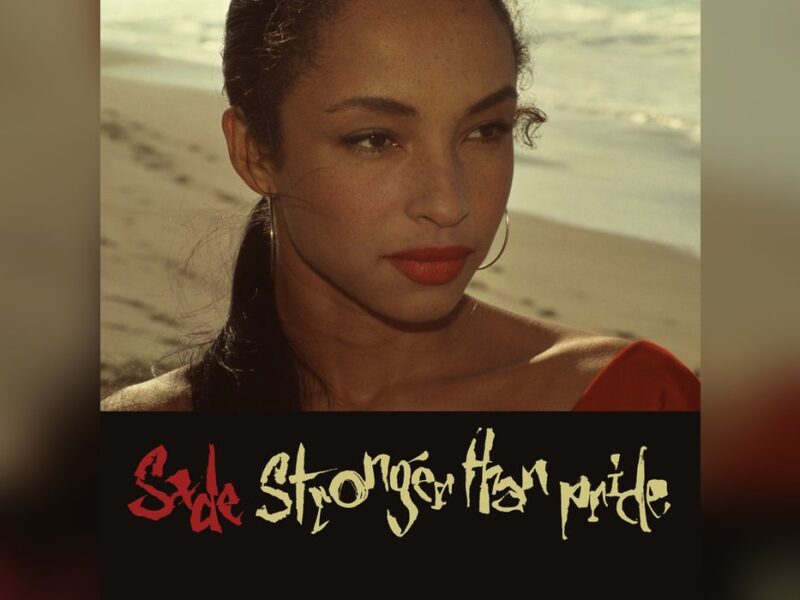
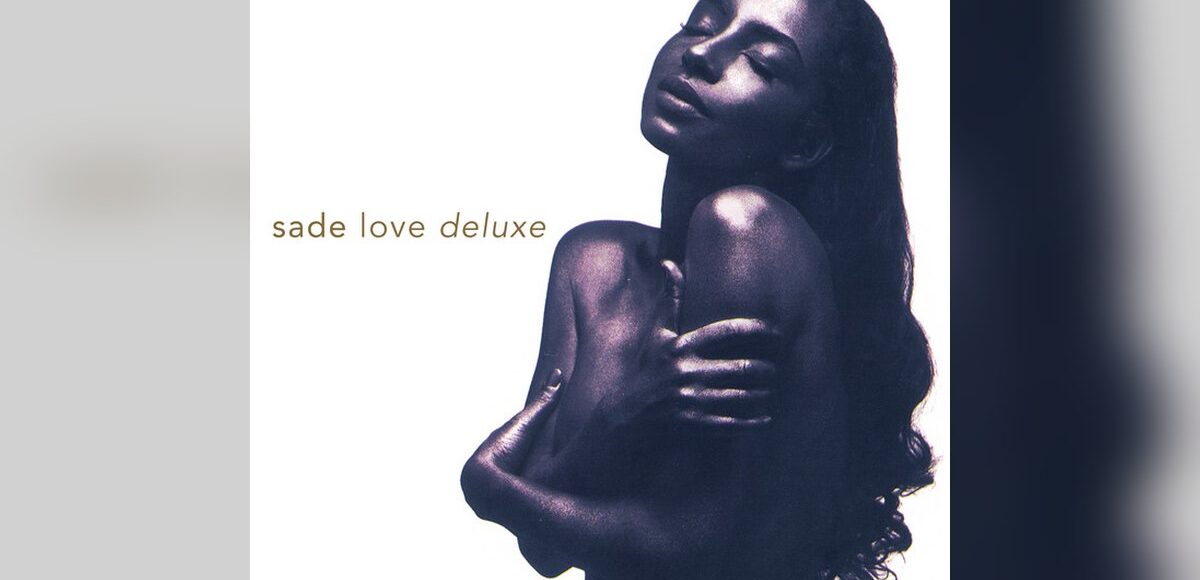
Singles did the commercial work. No Ordinary Love led, then Feel No Pain, Kiss of Life and Cherish the Day. The album reached No. 10 in the UK and No. 3 on the Billboard 200, later going four-times platinum in the US. France put it at No. 1. Albert Watson shot the cover: Adu’s face half in shadow, lipstick and earring doing more work than any slogan. The 1993 Love Deluxe world tour followed; then the band went quiet for seven years while Adu stepped out of the press cycle and Matthewman, Denman and Hale chased other rooms, including Sweetback and early Maxwell sessions.
The idea is that it’s one of the few luxury things that you can’t buy. You can buy any kind of love, but you can’t get love deluxe.
(Sade Adu, on the album title, 1992)

Play it now and the programmed hush still feels deliberate, not empty. Rolling Stone later ranked Love Deluxe among the 500 greatest albums; Pitchfork placed it high among 1990s records; Apple Music put it on a century-spanning top 100. The Grammy for No Ordinary Love (Best R&B Performance by a Duo or Group) sits next to those lists as proof the industry heard the same thing: a band that made modern R&B sound patient without turning soft.
What remains is the mix she asked for. Voice upfront, guitars and pads moving like weather behind it, and a title that refuses to sell what it names. Love Deluxe is still the record you put on when you want the room to slow down without losing the plot.