Minneapolis one-man studio: funk, rock, and a vault that never emptied
Prince Rogers Nelson was born in June 1958 in Minneapolis, Minnesota, in a musical household — his father led a jazz ensemble under the stage name Prince Rogers. He taught himself guitar, piano, bass, and drums before his teens. Warner Bros. signed him in 1977 on the basis of demo recordings and agreed, unusually for a debut act, to grant full production control. For You appeared in 1978, with Prince playing nearly every instrument on the record himself. That working method defined most of what followed.
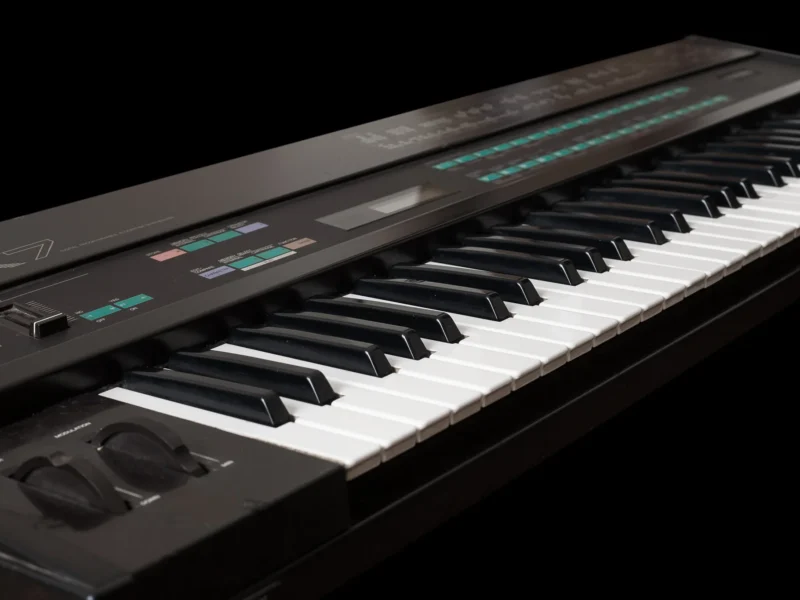
Dirty Mind (1980) and Controversy (1981) placed sexually frank lyrics and political provocation over a synthesizer-and-drum-machine framework sparser and colder than the funk coming from New York or Los Angeles. The rhythm grid was tight and mechanical. The guitar appeared as punctuation rather than a constant presence. Prince’s vocal range moved freely between a deep baritone and an upper falsetto, sometimes within a single verse, and the Minneapolis records made that flexibility part of the sound’s identity.
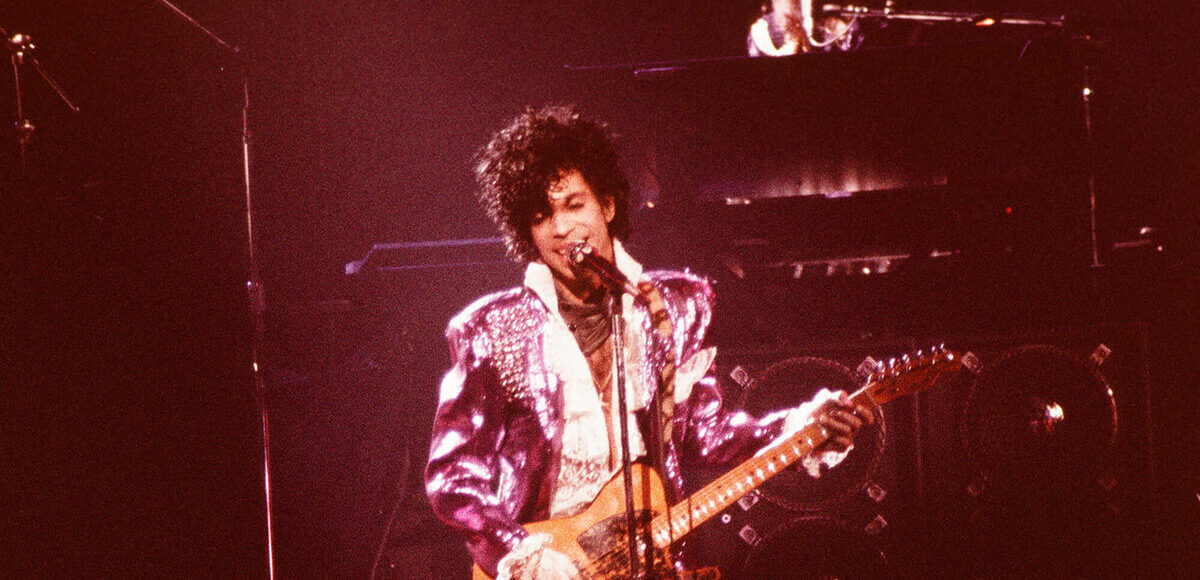
1999 (1982) expanded the formula across a double album that brought « Little Red Corvette » and the title track to mainstream radio. Purple Rain (1984) completed the commercial breakthrough: a film, a soundtrack album, and a touring band called The Revolution that delivered the Minneapolis sound to arena audiences. « When Doves Cry » dispensed with the bass line entirely, a production choice that seemed impossible until it proved simply correct. « Let’s Go Crazy » and « Purple Rain » completed what remains the best-selling body of work he released.
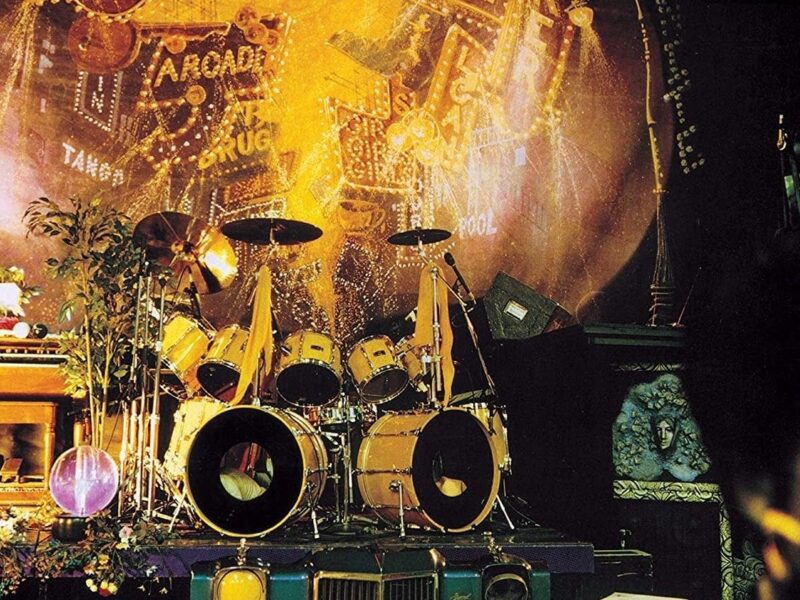
The catalog after Purple Rain is more extensive than most casual listeners know. Around the World in a Day (1985) turned toward psychedelia. Parade (1986) added jazz and orchestral elements, producing « Kiss » and the film Under the Cherry Moon. Sign o’ the Times (1987) remains the broadest statement of his range: a double album covering electrofunk, gospel, hard rock, and ballads without losing coherence. The vault at Paisley Park reportedly held thousands of unreleased recordings at the time of his death in April 2016.
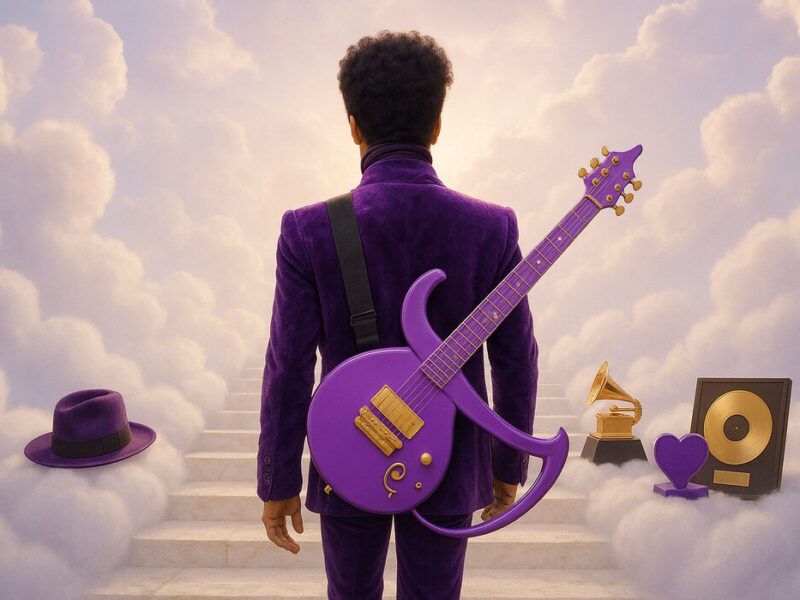
The conflict with Warner Bros. that consumed much of the 1990s produced his strangest work and the name change to an unpronounceable symbol, with SLAVE written on his face at public appearances. The Gold Experience (1995) and Emancipation (1996) maintained high quality through the dispute. After reclaiming his name in 2000, he built a reputation as one of the most technically accomplished live performers working: long sets, complete arrangements, guitar solos that arrived late and without warning.
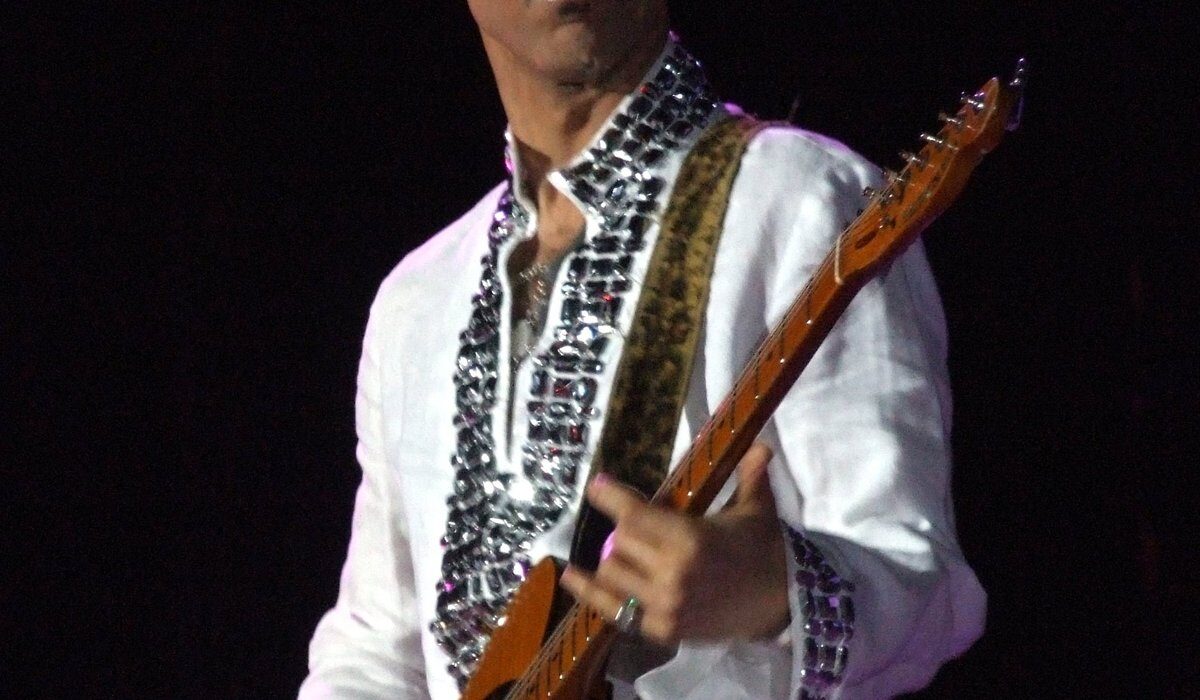
Influences are legible if not always loudly cited. James Brown’s funk discipline, Sly Stone’s genre collision, Jimi Hendrix’s guitar vocabulary, and Joni Mitchell’s harmonic sophistication appear at different moments in the catalog. The Minneapolis sound he built shaped a decade of production. He also wrote or produced significant hits for others: « Nothing Compares 2 U » for Sinead O’Connor, « Manic Monday » for The Bangles, « I Feel for You » for Chaka Khan.
Against Michael Jackson, his closest commercial contemporary in the 1980s, Prince presents a more complex studio body of work and stronger instrument mastery, but a less consistent relationship with mainstream pop accessibility. Against Stevie Wonder’s classic album run as the benchmark for solo studio control, he matches the ambition if not always the melodic directness. Against funk contemporaries like Rick James, the Minneapolis aesthetic is colder and more experimental.
Sonically: listen for the drum machine patterns beneath even the most energetic arrangements, the guitar that arrives at unexpected moments, the bass that may or may not be present depending on the song’s needs, and a voice that uses the full range as an expressive instrument rather than a technical demonstration. The production rewards close listening — there is more happening in the midrange of these recordings than the immediate surface suggests.
Entry points vary. Purple Rain for the cultural moment and the best-known songs. Sign o’ the Times for the widest range in a single listening session. Dirty Mind for the earliest, sparest version of the Minneapolis sound. As songwriter and producer, « Nothing Compares 2 U, » « Manic Monday, » « Kiss, » and « When Doves Cry » give four angles on the project without requiring a full album commitment. The catalog runs deep enough to sustain years of listening.