
Manchester 1994: Creation Records, Liam’s snarl, Noel’s hooks
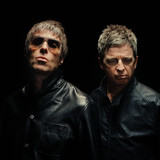
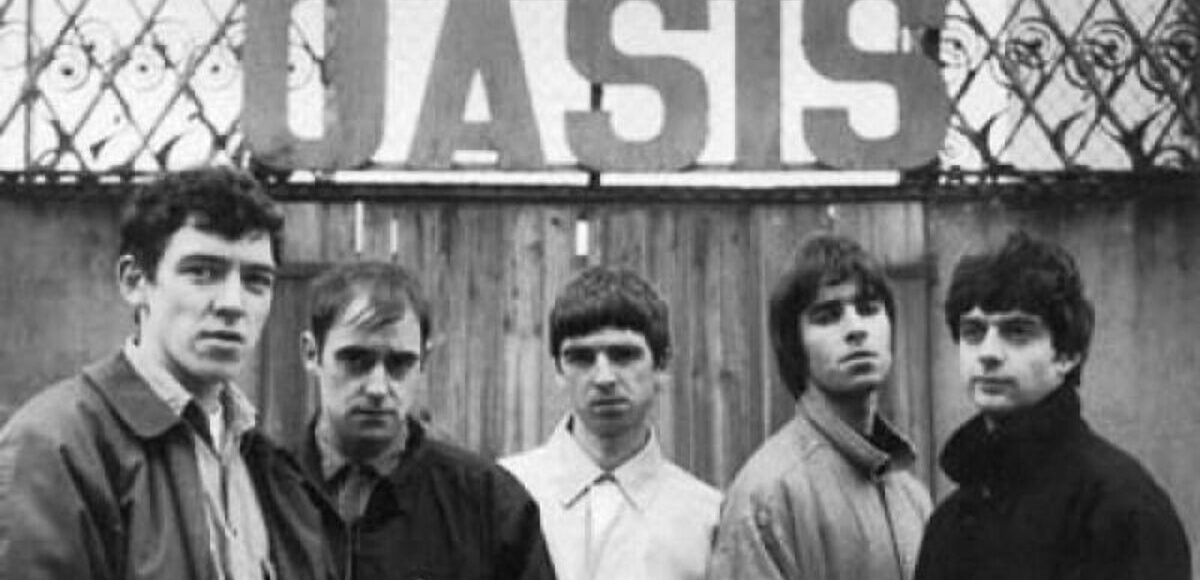
Burnage, Manchester, 1991: Liam Gallagher joined a local band called The Rain; his older brother Noel arrived with a folder of songs and a rule that he alone would write. By 1993 they were Oasis, signed to Alan McGee’s Creation Records after a legendary boardroom audition, and playing gigs with the volume and attitude of a football terrace. Definitely Maybe (1994) landed like a manifesto: « Rock ‘n’ Roll Star, » « Live Forever, » and « Supersonic » announced that British guitar pop could be arrogant again.
Noel Gallagher built the songs from Beatles chords, Stone Roses swagger, and working-class directness. Liam sang them as if every chorus were a dare. The rhythm section, Paul « Bonehead » Arthurs and Paul « Guigsy » McGuigan early on, Tony McCarroll then Alan White on drums, kept the pulse straight so the hooks could tower. Production on the early records favoured clarity over fuss: guitars stacked, voice up front, little prog detour.
(What’s the Story) Morning Glory? (1995) turned Oasis into a global name. « Wonderwall » and « Don’t Look Back in Anger » became singalongs in pubs and festivals; « Champagne Supernova » stretched to seven minutes without losing the crowd. Be Here Now (1997) answered success with even bigger drum sounds and wall-of-guitar ambition, a record critics knocked but fans bought in huge numbers. The Britpop moment, Oasis versus Blur at the charts, was as much media story as music, but the songs outlasted the headlines.
Behind the anthems ran constant friction. Liam and Noel’s fights were public; lineups changed; Noel quit and returned; the band split in 2009 after a backstage argument in Paris. Solo careers and reunion rumours followed for years. Through it all, the catalogue stayed central to British rock identity: football chants borrowed melodies from « Cigarettes & Alcohol »; cover bands lived on « Wonderwall » alone.
Influences were stated proudly rather than hidden. The Beatles, The Rolling Stones, T. Rex, and The Smiths appear in interviews and chord choices. Noel’s acoustic strum on « Don’t Look Back in Anger » is as much pub ballad as stadium rock. Liam’s voice, nasal and loud, rejected the polish of American AOR; he sounded like Manchester talking back.
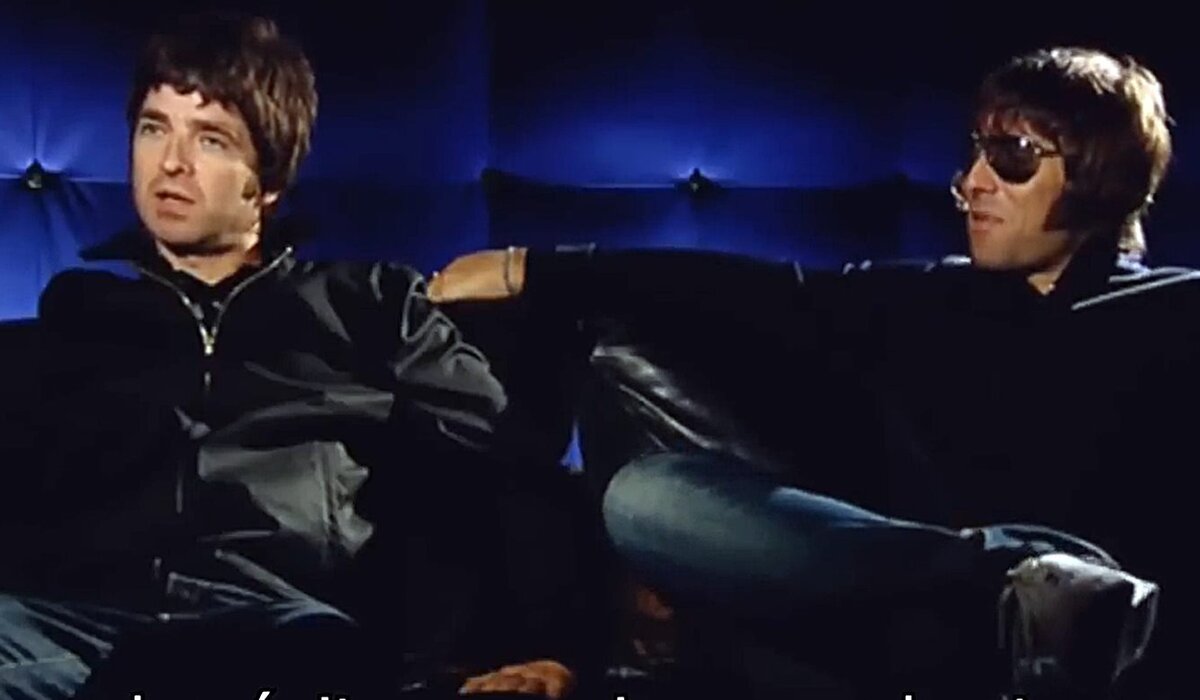
Sonically, think ringing open chords, mono-ish guitar stacks on early hits, Liam sitting on the beat, drums loud and simple. Later records added psychedelic colour (« D’You Know What I Mean? ») and occasional string or keyboard beds, but the core remained guitar-band direct. Live, Oasis leaned into volume and audience participation; Liam strutted, Noel stood stage left and delivered the hooks.
Entry points are obvious but worth sequencing. Definitely Maybe for the debut burst. Morning Glory for the classic run. The Masterplan (B-sides compilation) for deep cuts like « Acquiesce » and « Talk Tonight. » If you want one track, « Live Forever » explains the optimism; « Wonderwall » explains the ubiquity; « The Masterplan » explains Noel’s gift for melody beyond the singles.
Compared with Blur, Oasis traded irony for certainty and art-school references for football and working men’s clubs. Compared with Radiohead, they stayed on the motorway of rock rather than the laboratory. Compared with the Stone Roses, they delivered the second album scale the Roses never quite sustained in their first phase.
Critics often wrote about attitude more than detail; listen again and Noel’s construction work is clear: middle eights that lift, bridges that change key without showing off, lyrics that mix nonsense with bruised sincerity. Liam’s phrasing turns repeated lines into events.
Oasis matter because they made singalong guitar rock feel like national property for a decade, then kept selling it on catalogue streams long after the brothers stopped sharing a stage. Noel’s B-sides and demo leaks online kept the songwriting myth alive for fans who argued about bridges and key changes in forum threads. The swagger in the title is not empty: it is how the songs ask you to stand up straight and join the chorus, even if you never set foot in Manchester.